

Commuter bike helmets are for everyday riding, whether that means a short trip to work, a school run, errands around town, or a longer city ride. The right choice usually comes down to fit, comfort, coverage style, ventilation, and the details that make a helmet easier to wear day after day.
This guide helps you narrow the options without overcomplicating the decision. If you are choosing a helmet for regular street riding, the most useful question is not simply which helmet looks good, but which one you will wear consistently and confidently.
Compare Commuter Bike Helmets


As an Amazon Associate we earn from qualifying purchases.
What should I look for in a commuter bike helmet?
Start with fit, because a helmet that feels wrong is unlikely to become a daily habit. From there, compare comfort features, head coverage, ventilation, retention adjustability, and any practical details that matter for your commute. A commuter helmet is usually about balancing protection, comfort, and convenience rather than chasing a single standout feature.
Specifications vary by model, so always check the individual product page before buying.
| Feature | What It Means | Why It Matters | What To Check |
|---|---|---|---|
| Fit and sizing | How the helmet sits on your head and whether it can be adjusted securely | Good fit affects comfort, stability, and how often you will want to wear it | Size range, adjustment system, and whether the helmet shape matches your head |
| Ventilation | How much air can move through the helmet | Helps with comfort on warm days and during stop-and-go riding | Number and placement of vents, plus how the helmet feels in hot weather |
| Coverage style | How much of the head the helmet covers | Different shapes can feel more urban, more streamlined, or more protective around the back of the head | Overall profile, rear coverage, and whether the shape suits your riding position |
| Retention adjustment | The system that helps the helmet stay snug | A stable helmet is easier to wear comfortably over time | Dial or strap adjustability, strap comfort, and how easy it is to fine-tune |
| Convenience features | Extras such as removable pads or storage-friendly details | These can make daily use easier and keep the helmet more comfortable over time | Removable padding, washable liners, visor presence, and compatibility with your routine |
Key decision criteria explained
Fit comes first
A commuter helmet should feel secure without pressure points. Shape matters as much as size, because two helmets with the same labeled size can feel different once worn. If you have the chance, check whether the fit system allows easy adjustment and whether the helmet sits level without tipping forward or back.
Comfort affects whether you keep using it
Daily riders often notice comfort before almost anything else. Padding, strap feel, ventilation, and weight all influence whether a helmet is pleasant on a quick trip or during a longer ride across town. A slightly simpler helmet that fits well may be a better choice than a feature-heavy one that you do not enjoy wearing.
Ventilation and weather conditions
Commuting often means dealing with heat, humidity, and traffic stops. More ventilation can make a helmet feel cooler, but the trade-off may be less coverage or a different shape. If you ride year-round, think about how the helmet will feel not only in mild weather but also in the hottest part of your commute.
Practical daily-use details
Small details often matter more in commuting than in occasional leisure rides. Removable pads, easy cleaning, and a shape that works with glasses, hair, or a ponytail can make a real difference in everyday use. If you store a helmet in a bag or under a desk, compactness and durability of the finish may also matter to you.
Common commuter helmet types and variants
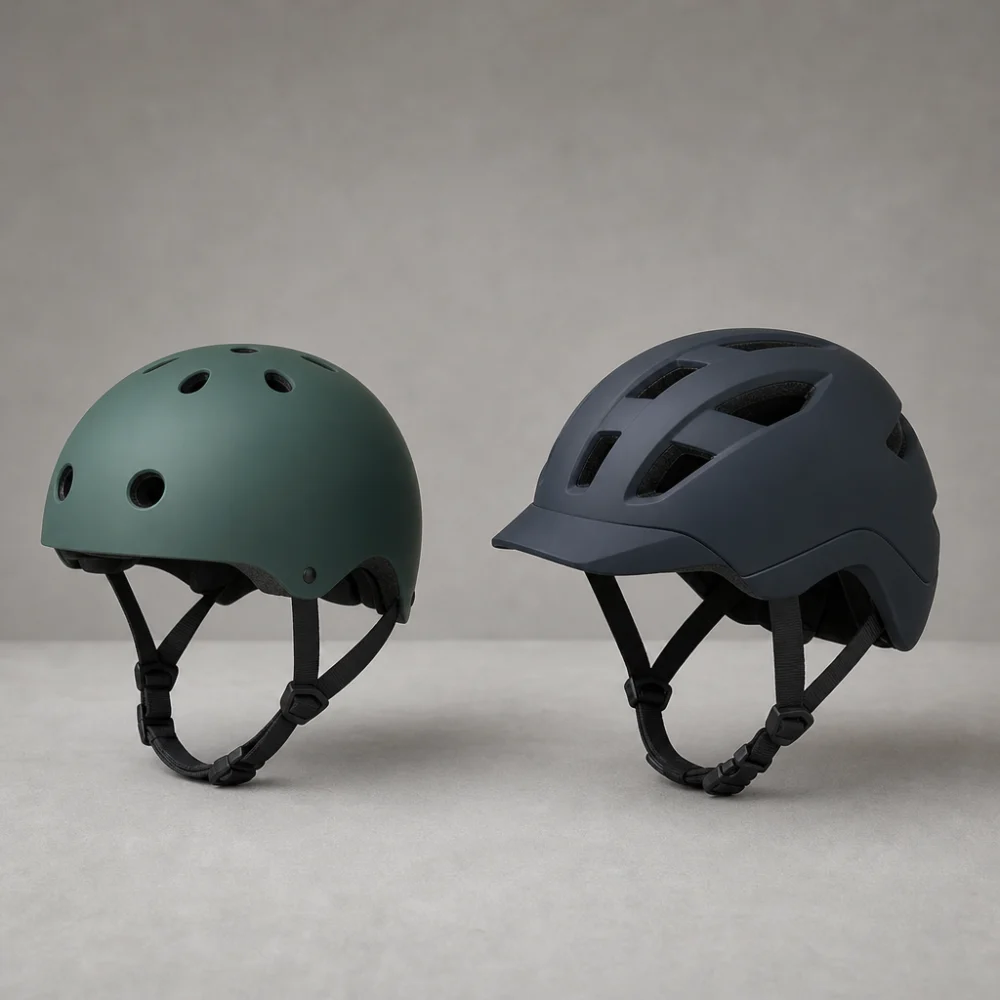
Within commuter bike helmets, shoppers often compare a few broad styles rather than entirely different product groups.
- Standard urban helmets: A straightforward option for everyday riding, usually chosen for balanced comfort and simplicity.
- More coverage-focused commuter helmets: These may appeal to riders who want a fuller feel around the back of the head.
- Low-profile or minimalist styles: Often preferred by riders who want a lighter visual presence and a simpler look for city use.
The best style depends on what you value most: airflow, a lower profile, a more substantial feel, or the easiest everyday wear.
Which helmet features matter for different riders?
| Buyer need | Helmets to favor | Reason to prioritize it |
|---|---|---|
| Short city rides | Comfortable, easy-adjust helmets | Convenience and fit matter more than specialized features |
| Longer daily commutes | Well-ventilated helmets with stable adjustment | Comfort becomes more important as ride time increases |
| Hot-weather riding | Better ventilation and breathable padding | Heat management can affect how often you want to wear the helmet |
| Riders who wear glasses | Clean strap layout and secure fit around the temples | Comfort around eyewear can make a helmet much easier to use |
| Multimodal commuters | Compact, easy-to-carry designs | Convenience matters when the helmet needs to come on and off frequently |
Common mistakes and misunderstandings
- Choosing by appearance alone: A helmet that looks right on the page may not fit your head shape or commute conditions well.
- Ignoring adjustment range: A good retention system can make a noticeable difference in stability and comfort.
- Overlooking ventilation: A helmet that feels too warm may end up getting used less often.
- Assuming one commuter style suits everyone: Daily riders have different priorities, from simplicity to coverage to compact storage.
- Forgetting about routine use: Easy cleaning and comfortable straps can matter more than extra features you rarely notice.
Safety and suitability caveats
Choose a helmet that is intended for cycling and that fits your riding situation. A commuter helmet should be comfortable enough to wear properly every time you ride, because a poor fit can be distracting. If you are comparing models, focus on the product information provided for that exact item and avoid assuming that one helmet will suit every head shape or every type of urban riding.
Maintenance, storage, and lifespan considerations
For commuter use, the easiest helmets to live with are usually the ones you can keep clean and store without hassle. Removable pads can make routine cleaning simpler, and a helmet that dries quickly after wet weather is often more convenient for daily use. If you leave your helmet in a bag, under a desk, or in a locker, consider how easy it is to protect from knocks and heat between rides.
How to compare options efficiently
- Start with how you ride: short trips, longer commutes, warm weather, or frequent stop-and-go city riding.
- Check fit and head shape compatibility before anything else.
- Compare comfort details such as padding, strap feel, ventilation, and adjustment.
- Decide whether you want a low-profile look, more coverage, or a more open-feeling design.
- Review the individual product page for any model-specific details that affect daily use.
Summary buyer decision checklist
- Does the size range and adjustment system look right for your head?
- Will the helmet feel comfortable on a regular commute?
- Does the ventilation suit your climate and ride length?
- Does the style match the kind of commuting you do?
- Are cleaning and storage practical for your routine?
- Have you checked the individual product page for model-specific details?
Frequently asked questions
How is a commuter bike helmet different from other bike helmets?
Commuter helmets are usually chosen for everyday comfort, practical use, and a look that fits city riding. They may overlap with other helmet styles, but the buying emphasis is often on wearability and convenience rather than a sport-specific shape.
What matters most if I ride every day?
Fit and comfort matter most because they determine whether you keep wearing the helmet regularly. After that, look at ventilation, ease of adjustment, and any features that make the helmet easier to clean or store.
Should I choose more ventilation or more coverage?
That depends on your ride conditions and personal preference. More ventilation can feel better in warm weather, while a fuller shape may feel more substantial to some riders. The trade-off is usually between a cooler feel and a more enclosed design.
Can one helmet work for commuting and weekend rides?
Often, yes, if the fit and comfort are right for both uses. The key is choosing a helmet that matches the riding positions and temperatures you expect most often.
Do commuter helmets need special maintenance?
They usually do not need complicated care, but regular cleaning and sensible storage help them stay pleasant to use. If the helmet has removable pads or liners, that can make upkeep easier.
What should I check on the product page before buying?
Check sizing guidance, adjustment details, ventilation style, and any comfort features that matter to you. It is also worth confirming whether the helmet shape and overall design fit the way you ride.
Check safety details and visibility features
Check the individual product information for any cycling safety standard or certification stated for the helmet, and confirm it suits your intended use and location. A commuter category label or general marketing description alone does not establish a model’s certification.
If you are comparing reflective details or an integrated light, verify what is included and, where relevant, how the light is powered. Treat helmet-mounted visibility features as an addition to your overall visibility setup, not as a substitute for checking what your bike and riding conditions call for.
More Commuter Bike Helmets
See all 111 Commuter Bike Helmets →


As an Amazon Associate we earn from qualifying purchases.