
Climbing brushes are a simple but useful part of indoor and outdoor climbing kit. They help remove chalk, skin oils, and loose dust from holds so the surface feels more consistent under your hands and feet.
If you are choosing one, the main job is not finding the flashiest option. It is matching the brush shape, stiffness, and handling to the kind of holds you clean most often and how you like to carry it.
This guide focuses on the buying decisions that matter most for climbers comparing brushes for bouldering, gym use, or route cleaning.
What should you look for in a climbing brush?
The best starting point is to think about the holds you clean most often. A brush with stiffer bristles can feel more effective on heavy chalk buildup, while a softer brush may be gentler on delicate surfaces or more comfortable for frequent touch-ups. Handle shape, head size, and how easy the brush is to control matter just as much as bristle material.
Specifications vary by model, so always check the individual product page before buying.
| Feature | What It Means | Why It Matters | What To Check |
|---|---|---|---|
| Bristle stiffness | How firm or soft the brushing surface feels | Changes how aggressively the brush removes chalk and dust | Look for a balance that matches the holds and surfaces you clean most often |
| Brush head size | The amount of surface area the bristles cover | Affects speed and control when cleaning small or large holds | Check whether the head seems suited to detailed brushing or faster coverage |
| Handle shape | The way the brush is held in the hand | Influences comfort, grip, and how precisely you can brush | See whether the handle is easy to hold when your hands are chalky or tired |
| Brush angle | The angle between handle and bristles | Can make it easier to reach different hold shapes and wall angles | Consider whether the shape looks comfortable for the style of climbing you do |
| Portability | How easy it is to carry or stow | Matters if you want a brush in a chalk bag, pack, or session kit | Check overall size and whether the brush seems easy to keep within reach |
Key decision criteria
Bristle material and feel
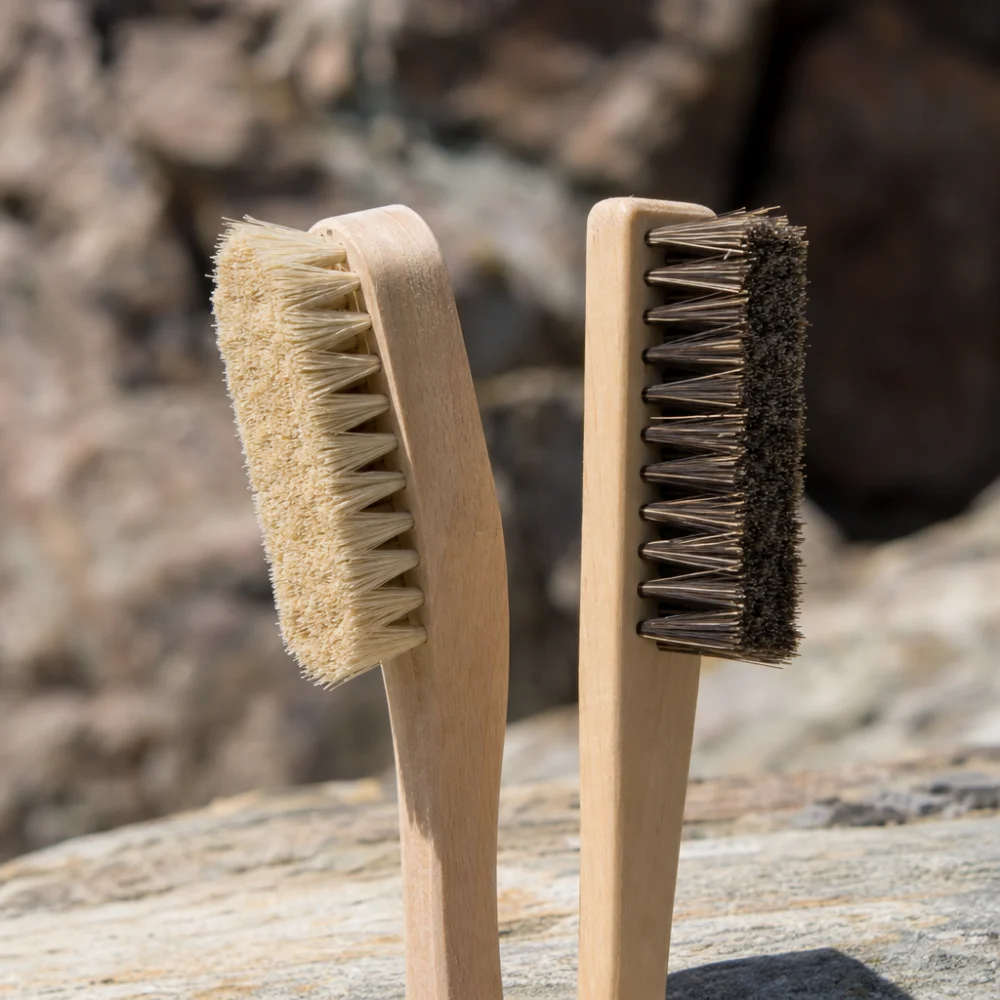
Bristle feel is often the biggest difference climbers notice. Firmer bristles can be better when you want to clear stubborn buildup, while softer bristles can be more comfortable for light cleaning or more delicate surfaces. The right choice depends on the texture of the holds you usually brush and how much pressure you tend to use.
Shape and reach
Some brushes are designed to give a straightforward, flat brushing surface, while others use a more angled or compact shape. A compact brush can be easier on small edges and crimps, while a broader head may cover bigger holds more quickly. Think about whether you want speed, precision, or a little of both.
Grip and control
A brush that feels secure in the hand is easier to use well. That matters when your hands are dusty, sweaty, or already pumped after a long effort. If the handle looks awkward or too slim, it may be less pleasant to use often, even if the bristles are good.
Durability and wear
Brushes are simple tools, but repeated use will eventually wear the bristles down. A more durable-looking construction may be worth considering if you brush frequently or use the tool on rough holds. If you only need a brush occasionally, a simpler option may be enough.
Types and variants within the category
There is not a huge amount of variation in climbing brushes compared with some other climbing gear, but a few common forms are worth understanding.
- General-purpose brushes: Suitable for everyday chalk cleaning and routine use on a mix of hold shapes.
- Compact brushes: Often easier to carry and better for detailed work on smaller holds.
- Longer-handled brushes: Can offer more reach or leverage, which some climbers prefer for certain wall angles.
The main limitation is that no single brush type is ideal for every hold, surface, or cleaning preference. Choosing one usually means deciding which compromise matters least to you.
Which brush suits which buyer?
| Buyer need | What to prioritize | Why |
|---|---|---|
| Frequent gym climber | Easy handling and dependable everyday bristles | Comfort and quick use matter when you brush often |
| Outdoor boulderer | Good control and a shape that reaches varied hold sizes | Outdoor holds can vary more, so versatility is helpful |
| Beginner | Simple shape and moderate bristle feel | A straightforward brush is easier to choose and use consistently |
| Climber who values portability | Compact size and easy storage | A brush that is easy to carry is more likely to come along on sessions |
Common mistakes and misunderstandings
- Assuming stiffer is always better. A very firm brush may feel effective, but it is not always the most comfortable or the best fit for every surface.
- Ignoring the handle. A brush can have decent bristles and still be annoying to use if it is awkward to grip.
- Choosing only by size. A larger head can be faster, but it may be less precise on small holds.
- Overlooking how you actually climb. A gym-focused buyer and an outdoor boulderer may value different shapes and levels of reach.
Safety and suitability caveats
Climbing brushes are simple tools, but they still need to suit the setting and the holds you plan to clean. A brush that feels fine for chalk buildup in a gym may not be the same brush you prefer for outdoor rock or more detailed brushing. If you are buying for a child or for shared use, look closely at the size and handling comfort before choosing.
Maintenance, storage and lifespan considerations
Brush care is usually straightforward. Keeping the bristles free of packed chalk and storing the brush where it will not get crushed can help it stay useful for longer. If a brush is meant to live in a chalk bag or pack pocket, consider whether the bristles and handle look robust enough for repeated carrying.
How to compare options efficiently
- Start with your main use: gym, outdoor bouldering, or general climbing.
- Decide whether you value speed, precision, or portability most.
- Compare bristle feel, head size, and handle comfort first.
- Check whether the brush shape seems easy to control with chalky hands.
- Review the individual product page for any model-specific details before buying.
Summary buyer decision checklist
- Choose a brush that matches the holds you clean most often.
- Compare bristle stiffness and how aggressive you want the brush to feel.
- Look at handle shape and whether it seems easy to control.
- Consider brush size if portability matters to you.
- Check the product page for any model-specific details before deciding.
Frequently asked questions
Do climbing brushes differ much from one another?
Yes, but the differences are usually practical rather than dramatic. The main changes are in bristle feel, brush shape, size, and how comfortable the brush is to hold. Those details can make a noticeable difference in everyday use.
Should I choose a soft or firm brush?
It depends on the kind of brushing you do most often. A firmer brush can be helpful for heavier buildup, while a softer brush may feel better for lighter cleaning or more delicate surfaces. Many buyers end up choosing based on comfort and control rather than stiffness alone.
Is a bigger brush always better?
Not necessarily. A bigger head can cover more surface quickly, but a smaller brush may be easier to control on compact holds. The right size depends on whether you want speed or precision.
What matters more: bristles or handle?
Both matter, but in different ways. Bristles affect how the brush performs on the hold, while the handle affects how easy it is to use repeatedly. If the handle feels awkward, even a good brush head may be unpleasant in practice.
Can one brush work for both gym and outdoor climbing?
Often yes, especially if you choose a general-purpose shape. The main difference is that outdoor holds can be more varied, so a brush with good control and a balanced feel may be easier to use across both settings.
How long should a climbing brush last?
That depends on how often you use it and how rough the holds are. Bristles gradually wear down with repeated brushing, so durability is mainly a question of frequency and care rather than a fixed lifespan.
Do I need more than one brush?
Most buyers do not need more than one to start. Some climbers like having a compact brush for carrying and a second one for home or gym use, but that is a preference rather than a requirement.
What should I check on the product page before buying?
Look for brush size, bristle feel, handle shape, and any details that help you judge comfort and use. Since specifications vary by model, always compare the individual product page before deciding.