
Bike elbow pads are a straightforward category, but the right choice depends on how and where you ride. A pad that feels ideal for trail riding may be more coverage than you need for commuting, while a lighter design may be easier to wear but less confidence-inspiring on rougher routes.
This guide focuses on practical buying questions: fit, coverage, flexibility, ventilation, and how the pad stays in place while you ride. It is meant to help you compare options without assuming that every rider needs the same level of protection.
Because elbow pads are part of a broader protection setup, it also helps to think about how they work with your jersey, jacket, gloves, and any other protective gear you already use.
What should you look for in bike elbow pads?
The best starting point is the kind of riding you do and how much freedom of movement you want. More coverage and a more secure fit can be helpful for technical riding, while lighter pads may feel better for longer rides or everyday use. The main trade-off is usually protection versus comfort, breathability, and how noticeable the pad feels on the bike.
| Feature | What It Means | Why It Matters | What To Check |
|---|---|---|---|
| Coverage | How much of the elbow and surrounding area the pad covers | Affects how much contact area is protected and how bulky the pad feels | Coverage shape, pad height, and whether the design stays centered when bent |
| Fit and retention | How securely the pad stays in place while riding | A pad that shifts can be distracting and less useful when you need it | Strap placement, sleeve fit, and whether the product page mentions anti-slip features |
| Flexibility | How easily the pad moves with your arm | Helps determine comfort on long rides and how natural pedaling and steering feel | Construction style, bendability, and whether the design is meant for active riding |
| Ventilation | How much airflow the pad allows | Important for warm-weather rides and harder efforts | Breathable materials, open-back designs, and any ventilation details listed by the seller |
| Coverage style | Whether the pad is low-profile or more protective in feel | Shapes the balance between easy wear and more substantial protection | Intended riding use and overall size, without assuming every model offers the same level of protection |
Key decision criteria explained
Fit comes first
Elbow pads only work well if they stay in the right position. Look for a design that matches your arm shape and riding posture so the pad does not slide, pinch, or twist as you move. A secure fit matters more than a pad that looks substantial but feels awkward in motion.
Coverage and bulk should match the ride
Some riders want a slimmer pad for general trail use or commuting, while others want more wrap and a more confidence-oriented feel for rough terrain. More coverage can mean more reassurance, but it can also feel warmer or less discreet. Specifications vary by model, so always check the individual product page before buying.
Flexibility affects all-day comfort
If you plan to wear elbow pads for longer rides, comfort while bent at the elbow matters a lot. A pad should bend with you rather than resist movement. If the design is too stiff, it may be harder to forget about during the ride.
Ventilation can make the difference in frequent use
Even a good pad may stay in your gear drawer if it traps too much heat. Breathable materials and a lower-profile shape can make pads easier to wear consistently. That does not automatically mean less protection; it just means the balance is different.
Common bike elbow pad types and variants
Bike elbow pads are usually compared by how protective, flexible, and noticeable they feel rather than by sharply defined product families. In practical terms, many buyers will encounter lighter, low-profile designs and more substantial designs intended for harder riding.
- Low-profile pads: Often chosen by riders who want more comfort and easier movement, especially for longer rides or mixed-use days.
- More substantial pads: Better suited to riders who want a stronger protective feel and do not mind a bit more bulk.
- Sleeve-style designs: Can feel streamlined and may suit riders who prefer a closer fit.
- Strap-based designs: May be easier for some riders to adjust, depending on arm shape and the product design.
The main limitation is that category names do not guarantee identical fit or performance from one product to another. The individual product page is the place to confirm how the pad is intended to be worn and what kind of riding it is meant for.
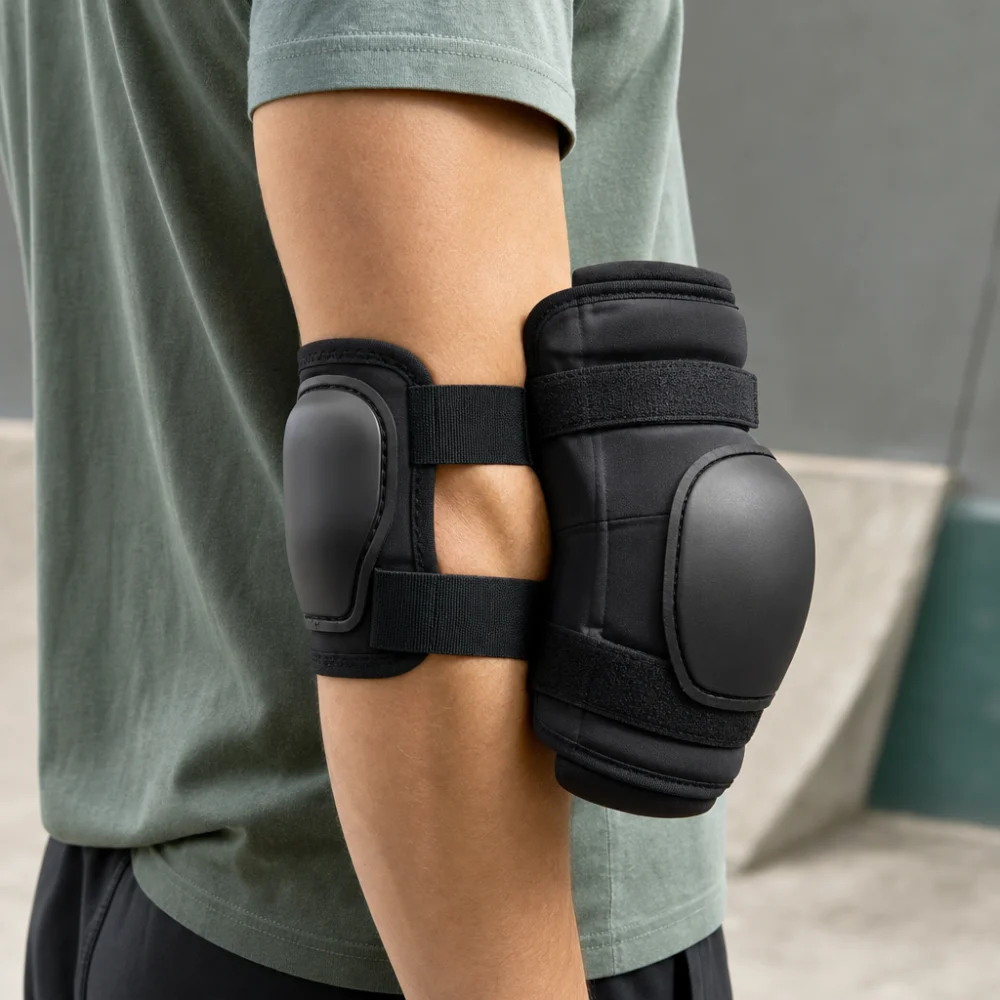
Which rider needs points to which kind of pad?
| Buyer need | What usually matters most | What to prioritize |
|---|---|---|
| Commuting or casual riding | Comfort, ease of wear, and not feeling overbuilt | Low-profile fit, simple wear, and enough coverage to feel worthwhile |
| Trail riding | Secure placement and balanced protection | Retention, coverage that stays centered, and a shape that works while pedaling |
| Long rides | Breathability and reduced fatigue from wearing gear | Ventilation, flexible materials, and a fit that does not distract |
| Riders building a protection setup | How elbow pads work with other gear | Compatibility with jersey or jacket sleeves and overall comfort with the rest of the kit |
Common mistakes and misunderstandings
- Choosing by appearance alone: A bulkier pad is not automatically better if it slips or feels too restrictive.
- Ignoring fit details: If a pad does not stay put, the rest of the feature list matters less.
- Overlooking ventilation: A pad that feels fine briefly may become annoying on longer rides.
- Forgetting about layering: Elbow pads need to work with the clothing you actually ride in, not just by themselves.
- Assuming all protection is equal: Product pages may describe different intended uses, so compare the design rather than relying on category name only.
Safety and suitability caveats
Elbow pads are a piece of protective gear, but they are not a guarantee against injury. The most useful check is whether the pad suits your riding style, fits correctly, and stays comfortable enough that you will actually wear it. If you are comparing options for rough terrain or frequent falls, treat the product page as the place to confirm the intended use and any included protection details.
Maintenance, storage and lifespan considerations
For most riders, the important ownership questions are simple: can the pads be cleaned easily, do they dry quickly, and will they hold their shape after repeated use? Sweat, mud, and regular compression can change how comfortable gear feels over time, so storage and basic care matter. If a design uses straps, sleeves, or padding inserts, check how those parts are meant to be handled before buying.
How to compare bike elbow pads efficiently
- Start with your riding use: commuting, trail riding, long-distance riding, or mixed use.
- Decide how much coverage and protection feel appropriate for that use.
- Compare fit and retention first, then consider comfort, ventilation, and bulk.
- Check whether the design works with the clothing and gear you already wear.
- Read the individual product page carefully for any model-specific details before deciding.
Bike elbow pad buying checklist
- Does the pad suit the type of riding you do most often?
- Will it stay in place while you bend and move your arm?
- Is the coverage level comfortable for your expectations?
- Will the pad feel breathable enough for your usual ride length and weather?
- Does the design work with your clothing and other protective gear?
- Have you checked the product page for the exact fit and intended use?
Frequently asked questions
Do bike elbow pads need to be tight?
They should fit securely, but not so tightly that they pinch, restrict movement, or become uncomfortable after a short ride. A secure fit helps keep the pad in place, which is one of the main reasons to wear it. The right feel is usually snug rather than compressed.
Are elbow pads only for mountain biking?
No. While they are often associated with off-road riding, some riders also want elbow protection for commuting, bikepacking, or other situations where they want added coverage. The useful question is whether the pad matches your actual riding conditions.
What matters more: coverage or comfort?
That depends on your priorities and the kind of riding you do. Coverage is the more obvious protection factor, while comfort affects whether you wear the pads consistently. Many buyers end up balancing both rather than maximizing only one.
Can I wear elbow pads over or under clothing?
That depends on the design and how much room your clothing allows. Some riders prefer a closer, sleeve-style fit, while others may want a design that works more naturally with outer layers. Check the product page for the intended wear style when available.
How do I know if a pad will be too hot?
Look at the overall shape and any ventilation information provided. Lower-profile, breathable designs are often easier to wear in warm conditions, but warmth can still vary by model. If you ride in hotter weather often, comfort and airflow deserve as much attention as protection.
Should I choose a lighter pad for longer rides?
Often, yes, if comfort and airflow are a priority. Longer rides can make bulky or warm gear more noticeable, so a pad that is easier to forget about may be the better choice. The trade-off is that a lighter feel may come with less coverage or a different protective feel.