
Belay gloves are a practical piece of climbing and mountaineering gear for anyone who spends time handling rope, lowering a partner, or managing long belays. The right pair should give you enough protection for repeated rope contact while still letting you grip, clip, and adjust gear without fighting the glove.
Because this category covers a focused job rather than all-purpose outdoor handwear, the most useful comparison is not just comfort. It is the balance between protection, dexterity, durability, and how the glove fits your hand in real use.
What should you look for in belay gloves?
The best starting point is fit and hand feel. A belay glove that is too loose can reduce control, while one that is too tight can make handling rope and hardware tiring. After that, compare the palm protection, finger mobility, and overall durability against the kind of rope work you do most. Specifications vary by model, so always check the individual product page before buying.
| Feature | What It Means | Why It Matters | What To Check |
|---|---|---|---|
| Fit | How closely the glove follows your hand shape | Affects control, comfort, and how easily you can manage rope | Finger length, palm width, closure style, and whether the glove feels secure without bunching |
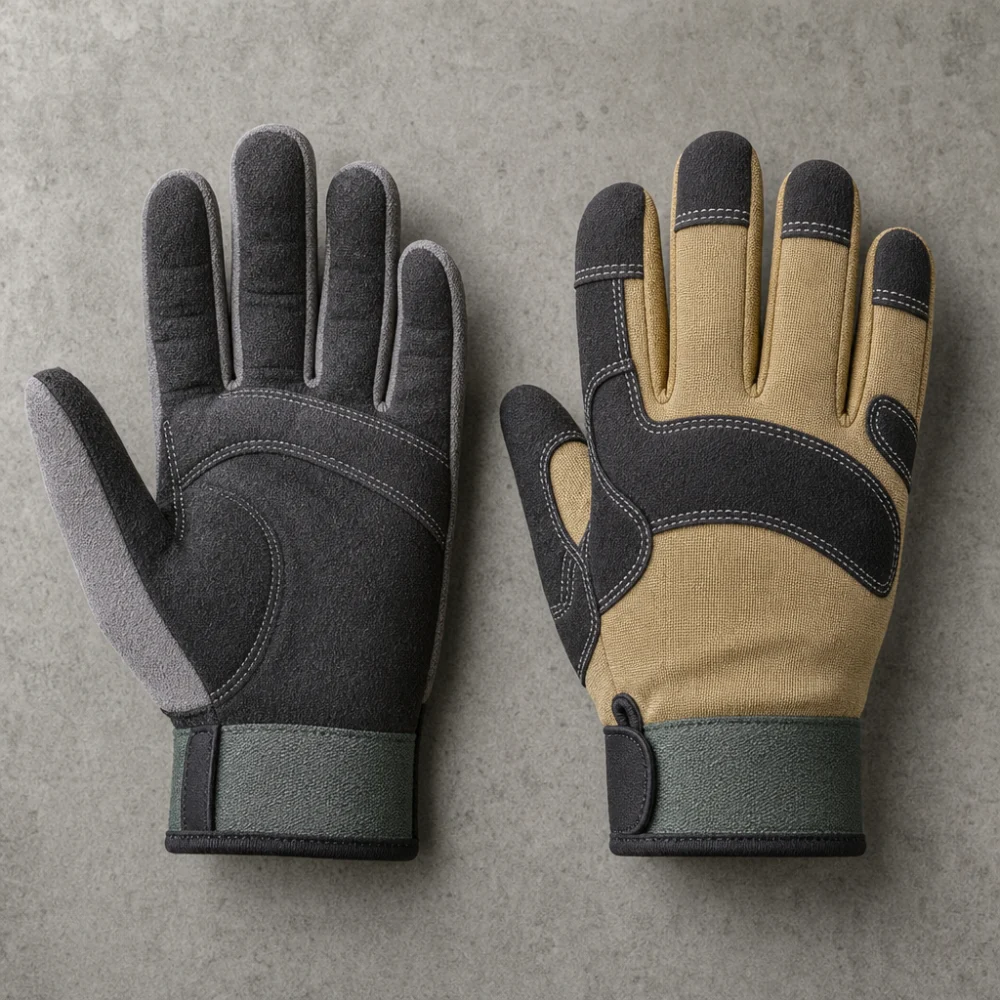
| Palm protection | How much coverage the palm and high-wear areas receive | Helps resist abrasion from repeated rope handling | Coverage where the rope is most likely to run and how reinforced those areas appear |
| Dexterity | How freely your fingers can move | Important for clipping, tying, adjusting gear, and handling knots | Finger articulation and whether the glove feels bulky when gripping small items |
| Durability | How well the glove is built for repeated use | Can affect how long the glove remains comfortable and functional | Construction quality, stitching, and whether the materials look suited to frequent rope work |
| Coverage | How much of the hand and wrist the glove protects | More coverage can add protection, but may reduce freedom of movement | Wrist length, cuff style, and whether you prefer a lighter or more enveloping feel |
Key decision criteria explained
Fit and sizing
Fit is one of the most important buying factors because belay gloves are used while you are actively managing rope. A glove that fits well should feel stable when you open and close your hand, but not so tight that it makes sustained use uncomfortable. If you expect to wear them with other layers or in cooler conditions, check whether the sizing leaves enough room for that without becoming loose.
Protection versus dexterity
Some gloves emphasize more hand protection, while others stay lighter and more flexible. More protection can be helpful if you expect frequent rope abrasion or longer sessions, but it may come with a stiffer feel. Lighter gloves can be easier for detailed hand work, yet they may wear faster or offer less coverage.
Materials and construction
Belay gloves are exposed to friction, dirt, and repeated bending, so material choices matter. Look for a glove that seems built for the kind of use you expect, especially in the palm and finger areas. If the product page mentions reinforcement, that can be useful, but the real question is whether the construction matches your usage rather than sounding technical.
Cuff and closure style
The wrist area affects how easy the glove is to put on and take off, and whether it feels secure during use. A shorter cuff may feel less restrictive, while a more structured closure can help keep the glove in place. Think about whether you prioritize quick on-and-off convenience or a more locked-in feel.
Common belay glove types and variants
Belay gloves usually vary more by design approach than by dramatic product category changes. Some are lighter and more dexterous, which may suit lighter-duty rope handling or buyers who want a closer feel. Others are more heavily reinforced for better abrasion resistance and a more rugged hand feel.
There can also be differences in how much of the hand is covered and how the glove closes at the wrist. The trade-off is straightforward: more structure can add confidence and durability, but less structure can improve comfort and finger control.
Which features matter most for different buyers?
| Buyer need | Helpful traits | Why that combination works |
|---|---|---|
| Frequent rope handling | Reinforced palms, stable fit, durable construction | Supports repeated friction and longer sessions |
| Higher dexterity needs | Lighter feel, flexible fingers, close fit | Makes clipping and gear handling easier |
| Occasional or casual use | Simple, comfortable fit and moderate protection | Balancing comfort and basic hand protection may be enough |
| Gift or first-time purchase | Easy sizing information, balanced design, clear product details | Reduces guesswork when the user is not choosing for themselves |
Common mistakes when buying belay gloves
- Choosing by looks alone. A glove that looks rugged may not fit well or feel right for rope work.
- Prioritizing maximum padding over dexterity. Extra structure can make the glove feel clumsy when you need precise hand movement.
- Ignoring fit details. Small sizing differences can matter a lot when you are holding rope for long periods.
- Assuming one glove suits every use case. A lighter glove and a more reinforced glove solve different problems.
Safety and suitability caveats
Belay gloves are part of a larger climbing system, not a substitute for sound climbing practice, proper belay technique, or appropriate rope and device selection. Use them only for the kinds of tasks they are designed for, and check that the product details match your intended activity. If you are comparing options for mountaineering, gym climbing, or rappel use, think about the actual rope handling you do rather than choosing on category name alone.
Maintenance, storage, and lifespan
General care affects how long belay gloves stay comfortable and useful. After use, keep them clean and dry according to the manufacturer’s instructions, and store them away from unnecessary abrasion or moisture. If a glove starts to lose grip, feel overly stiff, or show clear wear in high-contact areas, that is a sign to re-evaluate whether it still suits your needs.
How to compare belay gloves efficiently
- Start with your main use: frequent rope handling, occasional belaying, or more general climbing support.
- Pick the type of glove feel you prefer: lighter and more flexible, or more reinforced and protective.
- Check fit details carefully, especially finger length, closure style, and overall hand shape.
- Compare protection, dexterity, and durability as trade-offs rather than separate wins.
- Read the individual product page closely before buying, especially where materials and sizing are concerned.
Belay gloves buyer checklist
- Does the fit look appropriate for secure rope handling?
- Is the balance of protection and dexterity right for your use?
- Do the palm and high-wear areas seem suitably reinforced?
- Will the cuff or closure feel comfortable during longer sessions?
- Does the product page give enough detail to judge sizing and intended use?
- Is the glove appropriate for the kind of belaying or rope work you actually do?
Frequently asked questions
Are belay gloves only for climbing gyms?
No. Belay gloves can be useful anywhere rope handling is part of the activity, including outdoor climbing or rappel contexts. The main question is whether the glove’s protection and dexterity match the kind of rope contact you expect.
Should belay gloves fit tightly?
They should fit securely, but not so tightly that they feel restrictive. A glove that is too loose can make rope handling awkward, while one that is too tight can reduce comfort and finger movement.
Do I need heavy reinforcement?
Not always. Heavier reinforcement can help for frequent rope contact, but it may also make the glove feel stiffer. If you only use gloves occasionally, a more flexible design may be easier to live with.
Can I use regular work gloves instead?
Sometimes a work glove may offer some hand protection, but belay gloves are chosen with rope handling in mind. That usually means a different balance of fit, grip, and finger control than general-purpose gloves.
How do I choose between lighter and more rugged styles?
Choose based on how much time you spend handling rope and how much precision you need. Lighter styles tend to feel easier for detailed hand work, while rugged styles usually focus more on abrasion resistance and durability.
What if I am buying for someone else?
Focus on clear size information, a balanced design, and a style that does not make strong assumptions about the recipient’s preference. Fit is especially important, so any sizing guidance on the product page is worth checking carefully.