

Tent storage bags are a small accessory, but they can make tent ownership easier to manage. Buyers usually look for a better fit than the original stuff sack, a more organized way to store parts at home, or a replacement when the original bag is worn out.
This guide focuses on the choice points that matter most: size, closure style, material, and how you plan to store or carry the tent. Because tents and their accessories vary, it helps to compare the bag against the tent pieces you actually need to keep together.
For most shoppers, the right starting point is simple: choose a bag that fits the tent body and any related parts without forcing them, then decide how much protection and organization you want. The main trade-off is usually between a compact bag that saves space and a roomier bag that is easier to repack.
Compare Tent Storage Bags
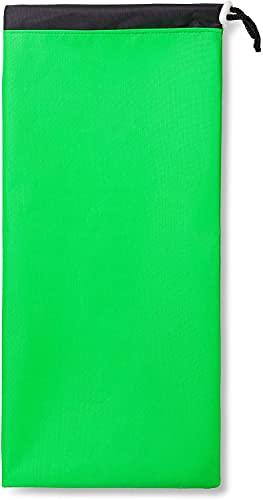


As an Amazon Associate we earn from qualifying purchases.
What should you look for in a tent storage bag?
A good tent storage bag should match the way you use the tent, not just the tent category itself. Some buyers want a lightweight carry solution for camping trips, while others mainly want neat at-home storage between trips.
| Feature | What It Means | Why It Matters | What To Check |
|---|---|---|---|
| Size and shape | How much room the bag offers and whether its shape fits the packed tent | A bag that is too small can be frustrating to repack, while one that is too large may waste storage space | Match the bag to the tent pieces you plan to store together |
| Closure style | How the bag opens and closes | Closure style affects ease of use and how securely the contents stay together | Look at the opening design and whether it seems easy to handle when packing up |
| Material | The fabric or construction used for the bag | Material affects durability, protection from scuffs, and how the bag handles repeated use | Check the product page for the bag’s material description and construction details |
| Organization | Whether the bag is meant for one tent set or grouped parts | Some buyers want a simple storage sack; others need a better way to separate components | Confirm whether the bag is intended for the tent body only or for related pieces as well |
| Packability | How easy it is to store when empty or partially filled | This matters if the bag will travel with you or live in a crowded gear bin | Consider whether the bag looks easy to fold, tuck, or carry with other gear |
Key decision criteria
Fit and capacity
Fit is the first thing to get right. A tent storage bag needs to hold the pieces you plan to keep together, but it should still be practical to repack after a trip. If the original bag was difficult to close, a slightly roomier replacement may be more useful than one that matches the old bag exactly.
Consider whether you are storing just the tent body, or also poles, stakes, and related items. Specifications vary by model, so always check the individual product page before buying.
Material and protection
Materials matter because they influence how well the bag stands up to repeated handling and storage. A sturdier bag can be helpful if the tent is packed, unpacked, and moved often, while a lighter bag may be enough for occasional use.
The right level of protection depends on where the tent lives between trips. A home storage bin, garage shelf, and backpack all place different demands on the bag.
Closure and handling
The closure should be simple enough that you will actually use it. If a bag is awkward to open, close, or compress, repacking becomes harder than it should be. A straightforward closure can matter more than extra features for buyers who want quick setup and teardown.
Organization needs
Some buyers want one bag for everything; others prefer separate storage for different parts of the tent system. If you often misplace small pieces, a storage bag that supports better grouping may reduce hassle later. If you prefer minimal gear, a simple bag may be the cleaner choice.
Common tent storage bag types and uses
There is usually not a huge amount of variation in this category, but a few practical approaches are common.
- Basic storage bags: Suitable for buyers who want a simple replacement or a straightforward way to keep tent parts together.
- Roomier replacement bags: Useful when the original sack is too tight or inconvenient to repack.
- Organization-focused bags: Better for campers who want a neater way to separate tent components during storage.
Which style makes sense depends on whether your priority is compactness, ease of packing, or keeping parts organized.
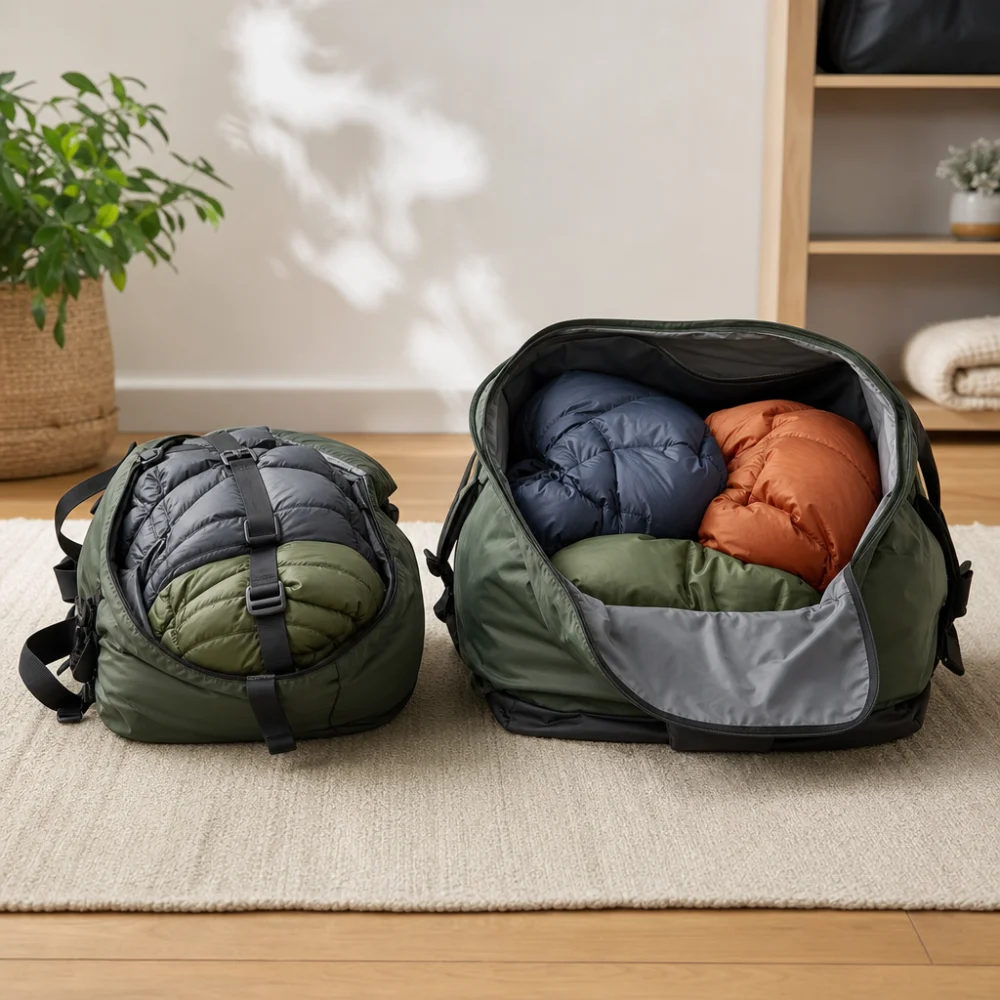
Which bag fits which kind of buyer?
| Buyer Need | What To Prioritize | Why It Helps |
|---|---|---|
| Replacement for a worn-out sack | Fit, closure, and durability | You want the tent parts contained reliably without making packing harder |
| Home storage between trips | Organization and protection | A more structured bag can help keep camping gear together and easier to find |
| Frequent travelers | Packability and handling | A bag that is easy to use saves time when setting out or breaking camp |
| Minimalist packers | Simple design and compact storage | Less bulk is often more useful than extra features |
| Buyers replacing a too-small bag | Capacity and shape | A little extra room can make repacking much less frustrating |
Common mistakes and misunderstandings
- Choosing by tent category only: It is better to think about the packed size and the parts you need to store together than the tent style alone.
- Assuming any bag will work: Bag shape, opening, and usable space can make a big difference in everyday convenience.
- Ignoring how the tent is stored: A bag for shelf storage does not need the same handling features as one that travels often.
- Forgetting about related parts: If you want to keep poles or stakes with the tent, make sure the bag concept supports that plan.
Safety and suitability caveats
Tent storage bags are generally straightforward, but suitability still matters. A bag that is too tight can be annoying to use, while one that is too loose may not keep everything together the way you want. Check the product page for the intended use and any listed compatibility details before buying.
If you store a tent long-term, also think about whether the bag supports the way you keep gear dry, clean, and organized. The bag itself is only one part of the storage setup.
Maintenance, storage and lifespan considerations
Most tent storage bags are meant for repeated packing and unpacking, so it helps to choose one that looks easy to clean and simple to store with the rest of your gear. If the bag is used after muddy or wet trips, a design that is easy to dry and keep clean is often more practical than one that is delicate or awkward to handle.
Over time, closure wear and fabric wear are the main ownership concerns. A bag that gets handled often may need more attention than one used only for seasonal storage.
How to compare options efficiently
- Decide whether you need a replacement, a storage upgrade, or a better travel bag.
- List the tent parts you want to store together.
- Compare bag size, opening style, and material.
- Think about whether ease of repacking or compact storage matters more.
- Check the individual product page for the exact fit and any model-specific details.
Summary buyer decision checklist
- Will the bag fit the tent pieces you want to store?
- Is the closure easy enough for regular use?
- Does the material seem appropriate for how often the bag will be handled?
- Do you want one simple sack or better organization?
- Will the bag be used mainly for travel or for home storage?
Frequently asked questions
Do tent storage bags have to match the tent brand?
Not necessarily. What matters most is whether the bag can hold the pieces you want to store and whether it is practical for your use. Brand matching may be convenient, but fit and function are usually more important.
Can one tent storage bag hold poles and stakes too?
Sometimes, but not always. Many buyers prefer to keep smaller parts together in a way that makes sense for their own storage habits. Check the bag size and intended use before assuming it will handle every component.
Is a tighter bag better for storage?
Not always. A very tight bag can be harder to repack, especially after a trip when the tent may not fold exactly the same way every time. A slightly roomier bag is often easier to live with.
What matters more: material or closure?
Both matter, but the better choice depends on how you use the bag. If you pack and unpack often, a reliable closure may be the first thing you notice. If the bag will be handled roughly or stored for long periods, material durability becomes more important.
Are storage bags only for travel?
No. Many buyers use them mainly for home organization and seasonal storage. If the tent stays packed in a closet, garage, or gear bin, a storage bag can still be useful.
Should I buy a bag if I already have the original tent sack?
That depends on whether the original sack still works for your needs. If it is too small, hard to close, or not ideal for storage, a different bag may be worth considering. If it already fits well, replacing it may not add much value.
Choose a bag for the tent parts you actually need to store
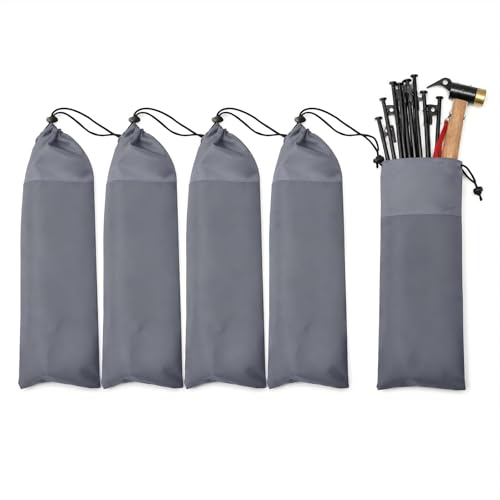
“Tent storage bag” can refer to different jobs: holding a packed tent body, keeping stakes together, or organizing other tent components. These uses call for different shapes and capacities. A long, narrow bag intended for stakes may not suit a tent body, while a roomy sack may be inconvenient for small parts. Check the listed intended use and dimensions against the specific pieces you want to store.
Also confirm what the listing includes. A bag shown with tent parts or described alongside accessories does not necessarily include those items. Look for the included-items details rather than assuming a tent, poles, or stakes come with the bag.
Do not assume a storage bag protects against moisture
A storage bag is not automatically waterproof, and enclosing damp gear may not suit your storage plan. Check whether the product page describes a specific level of moisture protection, and consider how you will store the tent after wet or muddy use.
More Tent Storage Bags
See all 95 Tent Storage Bags →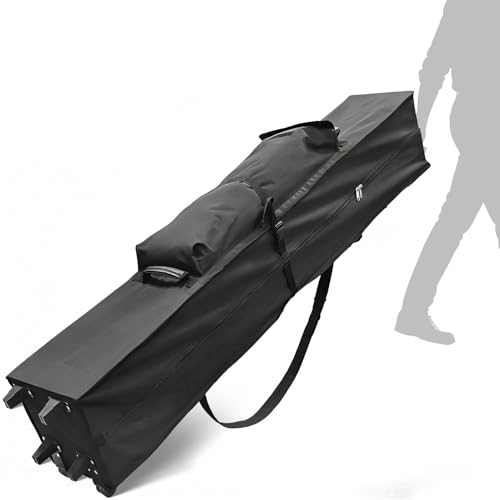


As an Amazon Associate we earn from qualifying purchases.