
Pop-up canopies are a practical way to add quick shade and overhead cover for outdoor gatherings, vendor setups, tailgates, and backyard use. The right choice depends less on one “best” feature and more on how you plan to use it, how often you will move it, and how much weather exposure you expect.
This guide focuses on the buying decisions that matter before you compare individual product pages. It is meant to help you narrow the type of canopy that fits your needs without overbuying features you may not use.
Compare Pop-Up Canopies


As an Amazon Associate we earn from qualifying purchases.
What should you look for in a pop-up canopy?
Start with the size you need, then compare frame construction, canopy material, setup style, and any sidewall or accessory options you may want later. A canopy that is easy to carry may be less substantial in wind, while a sturdier frame may be heavier to move and store. The most useful choice is usually the one that fits your space, your transport limits, and the conditions you expect most often.
Specifications vary by model, so always check the individual product page before buying.
| Feature | What It Means | Why It Matters | What To Check |
|---|---|---|---|
| Footprint | The covered area the canopy is designed to provide | Determines whether it suits a patio, booth space, or group seating area | Measure your space and compare the setup dimensions on the product page |
| Frame style | The structure that supports the canopy | Affects stability, ease of setup, and portability | Look for details on materials, leg style, and how the frame is deployed |
| Canopy fabric | The top cover material | Influences shade, weather resistance, and overall feel | Check the stated material and any notes about intended use |
| Setup method | How the canopy opens and locks into place | Shapes how quickly one or two people can assemble it | Review whether it is designed for fast event setup or more involved assembly |
| Portability | How easy it is to carry and store | Important if you move it often or transport it in a vehicle | Compare packed size, weight, and whether a carry bag is included |
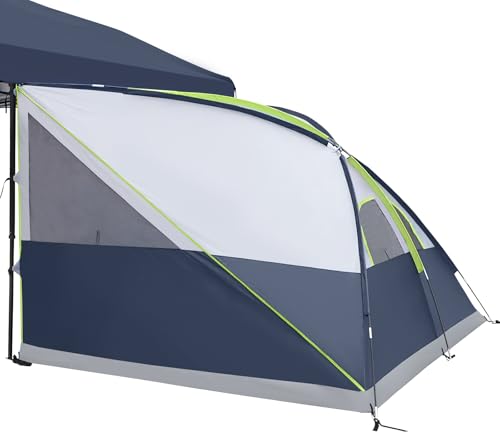
| Weather coverage | The level of overhead shelter and optional side protection | Helps match the canopy to sun, light rain, or privacy needs | Check whether accessories such as sidewalls are supported |
Key decision criteria
Size and coverage
Size is one of the first decisions because it affects both usefulness and portability. A larger canopy can better cover tables, displays, or seating, but it also takes more room to store and transport. Think about the actual footprint you have available, not just the area you want to shade.
Frame strength and stability
The frame matters because it influences how solid the canopy feels once it is set up. Heavier-duty frames may offer a steadier setup, but they can be less convenient to carry. If you expect frequent use, compare the frame description carefully and decide whether portability or a more substantial feel is the higher priority.
Fabric and overhead protection
The canopy top is what does the visible work, but buyers often focus too much on appearance and too little on practical coverage. Consider whether you mainly want shade, a bit of weather cover, or a more enclosed setup with accessories. If you need more side protection, check whether compatible add-ons exist rather than assuming every canopy can accept them.
Ease of setup
Some buyers want a canopy they can deploy quickly for short events, while others care more about a setup that feels secure once in place. If one person will handle assembly, ease of opening and locking becomes especially important. For repeated use, a simple setup can be worth more than extra features you may not need.
Common types and variants
Within this category, the main differences usually come from size, frame design, and accessory support rather than from entirely different product families.
- Compact canopies suit lighter use, smaller areas, or buyers who need easier transport.
- Larger canopies suit group seating, vendor-style coverage, or situations where extra shade is a priority.
- Canopies with accessory options may be a better fit if you expect to add sidewalls or other coverage later.
The best variant is the one that matches how you will actually use it most of the time, not the one with the most features on paper.
Which canopy fits which buyer need?
| Buyer need | What to prioritize | Why it helps |
|---|---|---|
| Backyard shade for casual gatherings | Simple setup, enough coverage, manageable storage size | Makes occasional use easier without adding unnecessary bulk |
| Frequent transport to events | Portability, packed size, ease of carrying | Reduces the effort of loading, moving, and storing the canopy |
| More regular or demanding use | Frame robustness, secure setup, accessory compatibility | Better supports repeated setup and a wider range of conditions |
| Privacy or extra side protection | Support for sidewalls or add-on coverage | Lets you adapt the canopy to the setting instead of relying on the top alone |
Common mistakes and misunderstandings
- Choosing by canopy size alone. Size matters, but so do weight, packed dimensions, and setup effort.
- Assuming every pop-up canopy is equally portable. Some are much easier to move and store than others.
- Ignoring accessory compatibility. If you may want sidewalls later, confirm that the canopy supports them.
- Overlooking the intended use. A canopy for occasional shade may not be the same choice as one for frequent outdoor events.
Safety and suitability caveats
Pop-up canopies are outdoor products, so the right choice depends on the conditions where you plan to use them. If wind exposure, uneven ground, or extended outdoor use are concerns, check the product information carefully and look for guidance from the manufacturer on appropriate use. Do not assume that a canopy designed for casual shade is the right fit for every setting.
Maintenance, storage and lifespan considerations
Care and storage affect how long a canopy remains convenient to use. Before buying, think about where it will be stored, how often it will be folded and unfolded, and whether you are comfortable cleaning and drying it after use. A canopy that is easy to store properly is often easier to keep in good shape over time.
How to compare options efficiently
- Decide where and how often you plan to use the canopy.
- Choose a size that fits your space and your transport limits.
- Compare the frame, fabric, and setup style.
- Check whether accessories you may want later are supported.
- Review the individual product page for the details that matter most to your situation.
Summary buyer decision checklist
- Does the canopy size match the space you have?
- Will it be easy enough to carry and store?
- Is the setup method realistic for the people who will use it?
- Does the frame seem suitable for the level of use you expect?
- Do you need sidewall compatibility or other add-on support?
- Have you checked the individual product page for model-specific details?
Frequently asked questions
What is a pop-up canopy best used for?
Pop-up canopies are commonly chosen for quick shade and overhead cover at outdoor gatherings, markets, tailgates, and similar settings. They are useful when you want flexible shelter without a permanent structure. The best choice depends on whether you value portability, coverage, or a sturdier feel more highly.
How do I choose the right size?
Start with the space you have available and the area you want to cover. It helps to think about seating, tables, or other items that need to fit under the canopy, along with room for movement around them. A larger size can be more comfortable, but only if you can transport and store it easily.
Are all pop-up canopies easy to set up?
No, setup effort can vary by design and size. Some are intended for faster deployment, while others may take more time or more than one person. If ease of setup matters to you, check the product details rather than assuming the name alone tells the full story.
Can I add sidewalls later?
Sometimes, but only if the canopy is designed to support them. Accessory compatibility is worth checking before you buy if you think you may want more side protection later. That is a good example of a feature that can matter more in practice than it first appears.
What matters more, weight or frame strength?
Both matter, but in different ways. Lower weight often makes transport easier, while a more substantial frame can feel steadier once set up. The right balance depends on whether you will move the canopy often or leave it in place for longer periods.
Do I need to think about storage before buying?
Yes, because storage affects how convenient the canopy will be over time. A model that fits your vehicle, shed, or closet is usually easier to use regularly than one that becomes a storage problem. Packed size is especially worth checking if you plan to move it often.
Weather limits and anchoring considerations
A pop-up canopy should not be assumed to provide protection in every kind of weather. Suitability for rain, wind, or extended outdoor use depends on the specific design and the manufacturer’s stated guidance; a canopy top or frame description alone does not establish a weather rating.
Sidewalls can change how a canopy responds to wind, so consider the intended setup and conditions when deciding whether they are useful. Check the product information for any stated limitations and anchoring guidance, and choose a different shelter type if your expected conditions exceed those limits.
More Pop-Up Canopies
See all 77 Pop-Up Canopies →



As an Amazon Associate we earn from qualifying purchases.