

Waterproof camera pouches are for shoppers who want extra protection for a camera, lens, or small camera kit in wet, sandy, or splash-prone conditions. They are not the same as larger camera bags or general dry bags, so the right choice depends on how much gear you need to carry and how quickly you need access to it.
If you are comparing options, focus on fit, access, seal design, and how the pouch will be used day to day. A pouch that is easy to use on a walk may be less convenient for deeper water exposure or frequent gear changes.
This guide helps you narrow the category by use case, protection level, and practical handling rather than by brand or price.
Compare Waterproof Camera Pouches




As an Amazon Associate we earn from qualifying purchases.
What should you look for in a waterproof camera pouch?
The best starting point is to match the pouch to the size of the camera gear and the conditions you expect. A compact pouch can be easier to carry and faster to open, while a roomier one may offer more flexibility for accessories. The main trade-off is usually convenience versus protection and packing efficiency.
Specifications vary by model, so always check the individual product page before buying.
| Feature | What It Means | Why It Matters | What To Check |
|---|---|---|---|
| Fit | How well the pouch matches the size and shape of your camera gear | A poor fit can waste space or make access awkward | Internal dimensions, intended gear type, and whether your camera setup fits with any accessories attached |
| Closure style | The way the pouch seals closed | This affects protection, speed of use, and ease of opening with wet hands | How the seal works and whether it suits your typical use |
| Access speed | How quickly you can get the camera in and out | Important for travel, active use, and changing conditions | Opening shape, flap design, and how much gear must be removed first |
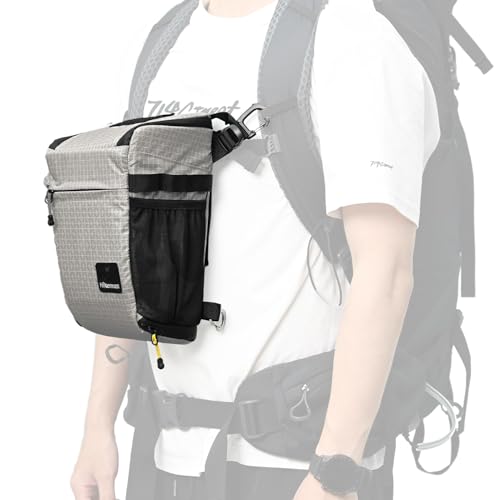
| Carrying method | How the pouch is carried or attached | Comfort and convenience matter if you will use it for long periods | Straps, handles, attachment points, and whether it suits your carry style |
| Protection focus | Whether the pouch is aimed more at splash resistance, wet conditions, or heavier exposure | Not every pouch is intended for the same level of exposure | Product description, construction details, and any limits stated by the seller |
Key decision criteria
Size and camera fit
Fit matters more than a generic “waterproof” label. A pouch that is too tight can be difficult to use, while one that is too large may let gear move around unnecessarily. Look for the gear type the pouch is meant to carry and compare that with your own camera body, lens, or small accessory kit.
Access and workflow
Some buyers want fast access for short shoots or travel days, while others want a pouch that stays sealed until they reach a destination. If you often switch between carrying and shooting, the opening design may matter as much as the protection level. Think about whether you need quick one-handed access or are comfortable with a slower, more deliberate opening.
Sealing and protection level
Different products can be aimed at different kinds of exposure, from light splash resistance to more demanding wet environments. That makes it important not to assume every pouch offers the same level of protection. Read the product details carefully and match the pouch to the conditions you expect, whether that is rain, spray, beach use, or brief contact with water.
Carry comfort and portability
If you will wear the pouch for long periods, comfort becomes part of the buying decision. Padded or adjustable carry features may make sense for some buyers, while others may prefer a simpler and lighter design. Consider whether you want a pouch that stays close to the body, fits inside another bag, or attaches to existing outdoor gear.
Organization and simplicity
Some buyers only need a protective sleeve-like pouch, while others want room for small accessories. More organization can be helpful, but it can also add size or make the pouch slower to use. Choose the simplest design that still supports the way you actually pack and shoot.
Common product types and variants
Within this category, the main differences usually come down to size, closure style, and how the pouch is carried. A compact pouch may suit a smaller camera setup or a traveler who wants minimal bulk. A larger or more structured pouch may suit buyers who need a bit more room or a steadier way to store gear between uses.
There may also be differences in how accessible the pouch is once packed. Some designs favor speed and convenience, while others emphasize a more secure closed format. The right choice depends on whether your priority is active use, transport, or occasional protection.

Which pouch suits which buyer?
| Buyer need | Helpful characteristics | Why it suits that need |
|---|---|---|
| Travel and day trips | Compact size, simple carry, easy packing | Helps keep the pouch practical when you are moving often |
| Wet or sandy environments | Secure closure, easy-to-clean exterior, protective construction | Reduces the hassle of exposure to moisture and grit |
| Quick access while moving | Fast opening design, straightforward layout | Makes it easier to reach the camera without a lot of setup |
| Extra accessories | More interior room, flexible organization | Useful when you need space beyond a single small camera item |
Common mistakes and misunderstandings
- Assuming all waterproof pouches are equally protective. Protection can vary a lot, so compare the product details instead of relying on the category name alone.
- Choosing size by camera type only. Accessories, lens shape, and how you pack the gear can change the fit you need.
- Ignoring access speed. A pouch that seals well but is awkward to open may slow you down more than expected.
- Overlooking carrying comfort. A design that seems fine in a short comparison can feel bulky once you use it for a longer outing.
Safety and suitability caveats
Waterproof camera pouches are useful for protecting gear in practical outdoor conditions, but no pouch should be treated as a universal guarantee. Check the product page for the intended use and any stated limits, especially if you expect repeated exposure to water rather than occasional splashes. If your camera setup is expensive or especially sensitive, it is worth being conservative about the level of protection you choose.
Maintenance, storage and everyday care
Buying decision and long-term use go hand in hand. A pouch that is easy to wipe clean after sand, salt spray, or damp conditions may be simpler to keep in regular use. It can also help to think about how the pouch will store when empty, whether it needs to dry fully before packing away, and whether any closure parts may be harder to maintain over time.
How to compare options efficiently
- Start with the camera gear you want to carry and the conditions you expect.
- Choose the pouch type that matches your need for protection, access, and portability.
- Compare fit, closure design, carry comfort, and organization.
- Check the product page for any limits, intended use notes, and size details.
- Pick the simplest option that supports your real-world use instead of the most complicated one.
Summary buyer decision checklist
- Does the pouch fit your camera body, lens, or small kit?
- Is the closure style practical for how often you need access?
- Does the level of protection match the conditions you expect?
- Will the carry style feel comfortable for your trips or outings?
- Is the interior space simple enough for your actual gear loadout?
- Have you checked the individual product page for any use limits?
Frequently asked questions
Do I need a waterproof camera pouch or a regular camera bag?
If your main concern is moisture, spray, sand, or brief exposure to wet conditions, a waterproof pouch may be the more focused choice. A regular camera bag can be better for general organization and all-day carrying, but it may not offer the same level of protection against wet environments.
Can a waterproof camera pouch hold a camera with a lens attached?
Sometimes yes, but that depends on the pouch size and the shape of the camera setup. Check the dimensions and make sure the product is suitable for your specific gear combination rather than assuming all camera-and-lens setups will fit the same way.
Are these pouches only for photography?
No. Some buyers use them for small electronics or accessories, but the right fit and protection level still matter. Make sure the pouch matches the item you want to carry and the conditions it will face.
What matters more: size or waterproof protection?
Both matter, but size is often the first filter because a pouch that does not fit your gear is not useful. After that, compare the type of closure and the intended use so the protection level matches your situation.
How do I compare pouches if the product pages are vague?
Look for clear size details, closure descriptions, and any stated intended use. If the page leaves out key information, it is safer to choose a product that is more explicit about fit and protection than one that relies on broad category language.
Is a more compact pouch always better?
Not always. Compact designs can be easier to carry, but they may limit space and slow access. The better choice is the one that fits your gear and your routine without making everyday use awkward.
Using the camera while it is inside the pouch
Some buyers want a pouch mainly for storage and transport; others want to frame or take pictures without removing the camera. Those uses can call for different designs. Before choosing a pouch for shooting through, check whether its product information describes that use and whether the viewing area and opening are suited to your camera setup.
- Check that the viewing area lines up with the camera lens and does not obstruct the view you need.
- Consider whether you can see the screen and reach the controls you expect to use while the camera is enclosed.
- Do not assume a clear panel or transparent material will work equally well with every camera or shooting situation; look for product-specific guidance.
More Waterproof Camera Pouches
See all 26 Waterproof Camera Pouches →


As an Amazon Associate we earn from qualifying purchases.