
Tent Seam Sealers
Tent seam sealers help protect sewn tent seams from moisture intrusion, making them a practical add-on for maintaining shelter performance. This category includes products meant to seal stitched areas on tents and similar shelter components, so shoppers can compare options based on application method, drying time, and compatibility with the tent fabric or coating.
When comparing listings, check the product details for the seam types it is intended to treat and any guidance on preparation or curing. The right choice often depends on the tent’s material, the level of exposure expected, and whether you need a quick touch-up or a more thorough resealing project.

Showing 1–12 of 41 results
-
Tent Seam Sealers
Coghlan’s Tent Seam Sealer, 2 fl oz for Nylon and Synthetic Fabrics
$16.98 View on Amazon


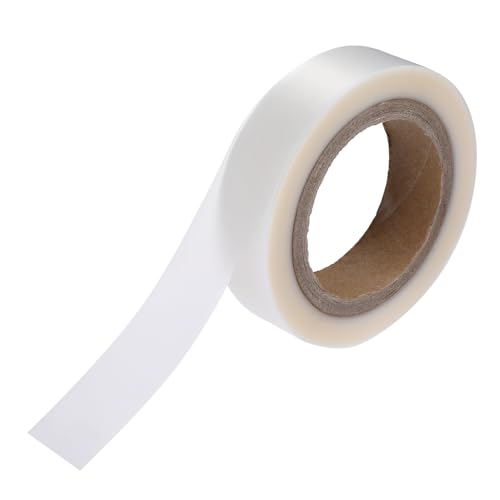


Tent seam sealers are used to help close the stitched seams on a tent so water is less likely to work through needle holes and joined panels. They are a common maintenance item for camping shelters, especially when a tent is getting older or has been used in wet conditions. This category is useful for anyone looking to maintain an existing tent rather than replace it.
What to compare in a seam sealer
Different sealers can vary in how they are applied, how they dry, and which seam types they are intended to treat. Some are made for specific tent fabrics or coated materials, while others are aimed at general seam touch-ups. It is worth checking the product description closely so the sealer matches the tent material and the areas you want to treat.
Coverage method matters too. Some products are brushed or dabbed onto the seam, while others are designed for targeted repairs on a small section of stitching. If you are resealing a whole tent, a product that is easy to control and simple to reapply may be more practical than one meant only for minor fixes.
Using sealers as part of tent care
Seam sealing is often part of routine tent upkeep along with cleaning, drying, and inspecting the shelter for wear. Before applying a sealer, it helps to check that the seam area is clean and fully dry, since residue or moisture can affect how well the product bonds. For best results, follow the individual product directions and allow enough time for curing before packing the tent away.
Choosing the right fit for your tent
Not every seam sealer is suitable for every tent. Pay attention to whether the product is intended for coated nylon, polyester, or other common tent materials, and review any notes about seam tape, rainfly seams, or floor seams. If you are unsure, compare the tent’s construction details with the product listing and check the retailer’s guidance before making a selection.
For shoppers browsing this category, the main goal is simple: find a sealer that matches the shelter you already own and the kind of maintenance you want to do. That makes it easier to compare products and choose a practical option for keeping seams in better shape over time.
Match the sealer to the fabric and seam
Fabric fiber alone may not identify the right sealer: coatings also matter. For example, silicone-coated and polyurethane-coated fabrics can require different products, so check the tent’s care information and the sealer’s stated compatibility before applying it. Also identify whether the area has exposed stitching or seam tape; a product intended for one construction may not suit the other. Seam sealers address seams, while restoring water repellency across fabric may call for a different treatment.