
Guy Lines
Guy lines are the cords used to stabilize tents and other shelters by adding tension points away from the main structure. They help distribute wind load and can improve setup stability, so it is worth comparing length, visibility, and the type of adjustment hardware or tie points used.
When reviewing options, check how the line is intended to attach, whether it matches your shelter’s layout, and how easy it is to tension and secure in your camping conditions.
Showing 1–12 of 135 results


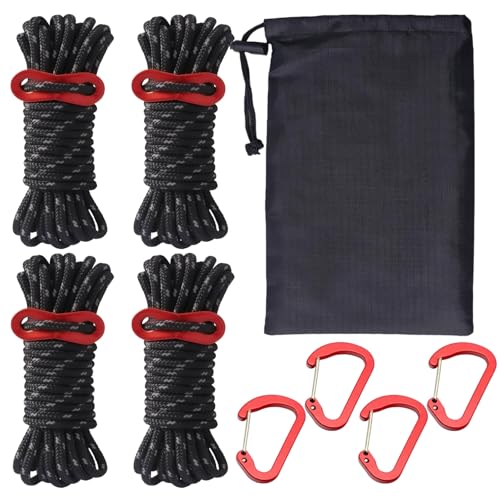


Guy lines are an important part of many tent setups, especially when extra stability is needed in changing weather or on uneven ground. They are used to anchor a shelter from points away from the main body, helping keep the structure tensioned and supported. For shoppers, the most useful differences usually come down to how the line attaches, how it is adjusted, and how well it fits the shelter setup you already have.
What to compare in guy lines
Look closely at the attachment style first. Some guy lines are designed for specific tent or shelter tie-out points, while others are more general-purpose cords that can be paired with compatible knots or hardware. Length matters too, since the right span depends on where the anchor point sits relative to the shelter. It can also help to compare visibility and handling, especially if you often camp in low light or need to avoid tripping over the lines around a campsite.
Fit and shelter compatibility
Guy lines are only useful when they match the shelter’s intended setup. Check whether the line is meant for tents, tarps, rain flies, or other camping shelters, and review the product details for the connection method. If a listing includes adjustment hardware, it may make tensioning easier, but the exact style and compatibility should always be confirmed on the individual product page. Matching the right line to the right tie-out point can make setup simpler and help the shelter stay secure.
Use, storage, and replacement needs
Many shoppers look for guy lines as replacements for missing or worn cords, while others compare them as part of a new shelter setup. When browsing the available options, consider whether you want a simple cord, a pre-cut set, or a version that includes built-in adjustment features. It is also practical to check how the line packs down and how easy it is to organize with the rest of your tent accessories. Small details can make a difference when you are setting up and taking down camp repeatedly.
Setting and adjusting lines
Route each line from the shelter’s intended tie-out to a suitable anchor point, keeping it clear of busy paths around camp. Tension it enough to support the shelter without pulling the fabric or frame out of shape, and recheck the setup if conditions change. Guy lines and anchors serve different roles, so choose stakes or another anchor suited to the ground and the shelter’s setup.