
Tent Fans
Tent fans help improve air movement inside a tent, making it easier to compare compact cooling options for sleeping and relaxing at camp. Shoppers often look at size, mounting style, power source, and noise level to find a fan that fits their tent layout and travel setup.
When browsing tent fans, check how they are intended to be positioned and whether the design suits your space. Some options are made for hanging or clipping, while others are better for tabletop or floor use inside the tent.

Showing 1–12 of 143 results


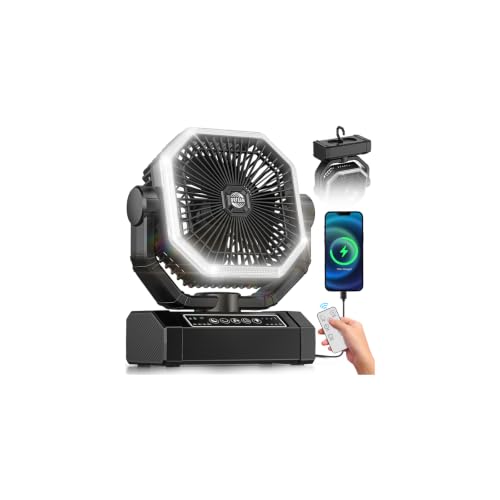


Tent fans are designed to circulate air in and around a tent, which can make the space feel more comfortable during warm nights or calm conditions. This category is useful for campers who want a simple way to move air without taking up much room.
How tent fans are used
Many tent fans are chosen for overnight camping, family trips, and other stays where a little extra airflow can make the tent feel less still. The right style often depends on where you want to place it and how much interior space you have. A compact fan may suit smaller tents, while a larger design may be easier to use in a more open setup.
What to compare before choosing
Mounting style is often one of the first things to check. Some tent fans are meant to hang from a loop or hook, while others clip to a frame or sit on a flat surface. Power source is another key factor, since camping fans may use batteries, rechargeable power, or a corded connection. It is also worth comparing speed settings, noise level, and control layout, especially if you plan to use the fan while sleeping.
Size and portability matter too. A lightweight fan can be easier to pack and reposition, while a sturdier model may be better suited to regular campsite use. If the listing mentions extra features, review the product page closely to see how they affect everyday use rather than assuming they will suit every tent.
Choosing for your tent setup
Think about the tent layout, sleeping arrangement, and available space around the fan. A hanging fan may keep the floor clear, while a clip-on or tabletop style can be easier to aim toward a sleeping area. For best results, compare the individual product details and choose a design that fits your camping routine.
Airflow and power planning
A tent fan moves air; it does not lower the air temperature like an air conditioner. Its effect depends on where it is placed and how air can circulate through the tent. Avoid positioning a fan where bedding or gear could block it, and keep tent doors and vents usable according to the tent maker’s guidance.
For battery-powered or rechargeable designs, compare the stated run time at the speed you expect to use and how the fan recharges. If you plan to use it overnight, consider whether you can recharge it at camp and whether a corded setup would fit your tent layout. Follow the fan’s instructions for mounting and use, especially when suspending it above a sleeping area.