
Marine Electronics
Marine Electronics covers the navigation, communication, and onboard monitoring gear used on boats and other watercraft. Visitors can compare products such as chartplotters, marine GPS units, VHF radios, fish finders, depth finders, and battery monitors to find the setup that fits their vessel and trip style.
When comparing options, it helps to check screen size, mounting style, power needs, and how well the unit integrates with other equipment. Some products are built for simple location or depth readouts, while others combine several functions in one display.
Showing 1–12 of 461 results
-
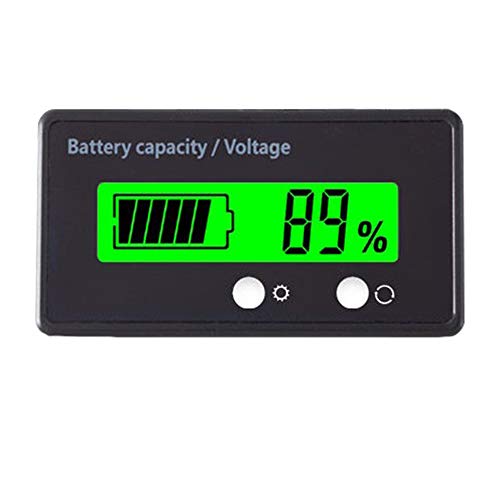
Boat Battery Monitors
12V-84V Battery Capacity Indicator Voltage Meter with LCD Display
View on Amazon




What Marine Electronics includes
Marine Electronics brings together the devices people use to navigate, communicate, and monitor a boat’s systems. In this category, you’ll find equipment such as chartplotters, marine GPS units, marine VHF radios, fish finders, boat depth finders, and boat battery monitors. The category is broad enough to support everything from basic situational awareness to more connected onboard setups.
If you are browsing this category, think first about the main job the device needs to do. Some products are centered on route guidance and positioning, while others focus on depth awareness, fish location, radio communication, or electrical monitoring. Many buyers compare several types of marine electronics because the best fit often depends on boat size, how the vessel is used, and how much information the helm needs in one place.
How the main product types differ
Chartplotters and marine GPS units are often chosen for navigation support, but they may serve slightly different needs depending on the listing. Depth finders and fish finders are useful when underwater information matters more than mapping. Marine VHF radios support onboard and shore communication, while boat battery monitors help track electrical status so operators can keep an eye on power use.
Some products in this category combine more than one function, which can simplify the helm area and reduce the number of separate displays. Others are designed for a single purpose and may appeal to boaters who want a simpler layout. Review the individual product details to see whether a unit is intended for basic use or for a more feature-rich marine setup.
What to compare before choosing
Useful comparison points in Marine Electronics often include display size, readability, controls, mounting options, and how the device connects with other onboard equipment. For radios, practical details such as channel support and interface style may matter. For navigation and sonar-style products, the way information is presented can be just as important as the underlying function.
It is also worth checking compatibility with your vessel’s setup and reviewing any product-specific guidance from the retailer. Marine electronics can vary widely in how they are installed and used, so comparing the listing details carefully helps you narrow the options to the equipment that suits your boat and your time on the water.