
A freshwater fly rod is the casting tool at the center of a fly-fishing setup. Choosing one means balancing the water and casting space you expect to encounter with the line, flies, and fish you have in mind.
There is no single specification that suits every freshwater situation. This guide explains the main trade-offs so you can compare rods by intended use rather than by a product name or one specification alone.
Compare Freshwater Fly Rods


As an Amazon Associate we earn from qualifying purchases.
What should you prioritize in a freshwater fly rod?
Start with the line weight that suits your intended fishing, then consider rod length and action in light of your usual casting space and conditions. Check that the rod is described as compatible with the fly line you plan to use, and weigh portability against your preference for setup simplicity. The best balance depends on where and how you fish, not on one universally ideal rod.
Freshwater fly rod comparison framework
| Feature | What It Means | Why It Matters | What To Check |
|---|---|---|---|
| Line weight | A rating used to match a fly rod with an appropriately rated fly line. | It helps determine the scale of the setup and the kinds of fishing it may suit. | Look for the rod’s stated line-weight rating and confirm it matches your intended line. |
| Rod length | The overall length of the rod. | Length can affect reach and casting feel, while shorter or longer rods may suit different spaces and approaches. | Compare the stated length with your typical casting space and fishing conditions. |
| Action | How the rod bends and recovers during casting; descriptions and terminology can vary. | It influences casting feel and may affect which casting style feels comfortable to you. | Read the maker’s description and consider whether you have a preference or relevant experience. |
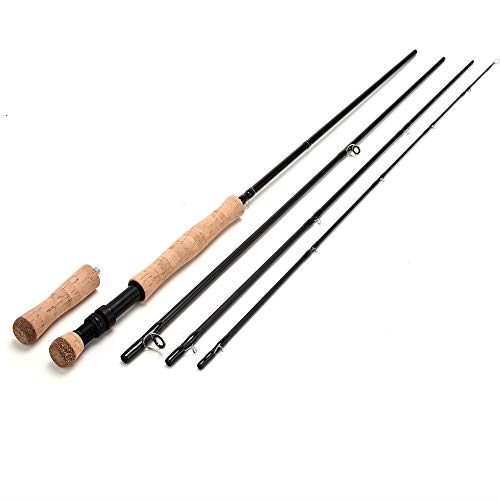
| Number of sections | How the rod separates for transport and storage. | More sections can make a rod easier to pack, while assembly and alignment become part of setup. | Check the listed piece count and whether a case or tube is specified. |
| Grip and reel seat | The handle and the part that holds the reel. | These affect how the rod feels in hand and how the reel attaches. | Review product images and descriptions for handle shape and reel-seat details that matter to you. |
Factors that make the biggest difference
Match line weight to your fishing
Line weight is a key starting point because the fly line is what loads the rod during a cast. The rating is not a measure of how heavy the rod feels in your hand. Think about the kind of fishing you expect to do, then compare the rod’s stated rating with the fly line and other equipment you intend to use. Avoid assuming that a line-weight number alone determines suitability for a particular fish or water.
Choose a length for your usual casting space
Rod length can affect reach, line control, and how manageable the rod feels in tight or open surroundings. A buyer who often casts in confined spaces may value a different balance than someone with room for longer casts. Consider where you fish most often, but also whether you need one rod to cover a variety of settings.
Understand action as a feel and casting preference
Action descriptions commonly refer to how much of the rod bends under load, but wording and interpretation can differ between makers. A faster-action description generally suggests more of the bend is concentrated toward the tip; a more moderate action generally suggests a bend extending farther down the rod. These labels are not a substitute for your own preference, so read the individual description and avoid treating an action term as a guarantee of casting performance.
Balance portability with setup
A rod that separates into sections can be easier to carry and store than a one-piece design. The trade-off is that you will need to assemble the sections and check their alignment when preparing to fish. Specifications vary by model, so always check the individual product page before buying.
Check how the reel attaches
The reel seat holds the reel in place, and grip shape affects how the rod feels in your hand. If you already own a reel or have a strong handle preference, check the product description and available images for relevant details. Do not assume fit or comfort from the rod category alone.
Common freshwater fly rod variations
Freshwater rods are better understood as a range of combinations than as a few rigid types. Their line weight, length, action, and section count can differ, and those characteristics work together to shape the intended use and feel.
- Different line-weight ratings: These may suit different approaches and tackle setups. The limitation is that a rating does not, by itself, establish a rod’s suitability for every fish or location.
- Different lengths and actions: These offer varied reach and casting feel. The best fit depends on your surroundings, technique, and preferences.
- Different section counts: These can change how conveniently a rod packs away. Check the listed configuration and whether a carrying case is included rather than assuming one is supplied.
Choose around your fishing needs
- For a first fly rod: Prioritize a clear line-weight rating, a length that fits your usual fishing spaces, and product information that explains the rod’s intended use. A straightforward fit with the rest of your planned setup is more useful than choosing by a technical label alone.
- For small or confined waters: Give casting room and rod manageability particular attention. A rod suited to open banks may not feel as convenient where branches or limited space affect casting.
- For larger or more open waters: Consider whether added reach and your preferred casting feel matter for the places you fish. Balance those preferences against transport and handling needs.
- For travel or compact storage: Check the rod’s section count and the dimensions or inclusion details for any case if provided. Portability is useful only if the rod still suits your fishing and setup.
- For replacing or adding to a setup: Compare the new rod’s line-weight rating with your fly line and consider whether you want a different length or action from your current rod. Confirm relevant details on the product page instead of relying on a similar product name.
Common buying mistakes and how to avoid them
- Choosing by a single number: Line weight matters, but it does not describe length, action, portability, or overall fit. Compare the main characteristics together.
- Assuming a rod rating describes the fish it can handle: A line-weight designation is for matching the rod and fly line; it is not a universal fish-size rating. Consider the full setup and intended use.
- Treating action labels as standardized promises: Terms can be interpreted differently. Use the maker’s explanation as a guide, not a guarantee that the rod will feel a certain way to every angler.
- Overlooking transport details: A rod’s section count and any included case affect packing. Verify these details rather than inferring them from images or titles.
- Assuming every freshwater rod suits every setting: Fishing spaces and casting needs differ. Check the length, intended use, and line rating against the places you plan to fish.
Suitability and basic safety considerations
Choose a rod for the fishing conditions and setup you expect to use, and review the product information for any stated limitations. Fly fishing involves casting a line and hook, so consider the space and surroundings where you expect to use the equipment. Follow applicable product guidance and use judgment appropriate to your setting; no rod description guarantees suitability for every situation.
Care, storage, and ownership
Consider how you will transport and store the rod before choosing its section count or case arrangement. Keep any included storage guidance and care instructions for reference, and follow the maker’s recommendations for cleaning and storage. A case can help with carrying and storage when one is specified, but inclusion should be confirmed on the individual product page.
A practical buying process
- Identify the freshwater settings and fishing you expect to do most often.
- Choose a line-weight range to investigate based on your intended setup and the fly line you plan to use.
- Compare rod length and action with your casting space, experience, and preferences.
- Decide how important portability is, then check the rod’s section count and any case details.
- Review the individual product information for the stated specifications and any details that affect your setup.
Freshwater fly rod buyer checklist
- Does the stated line-weight rating suit the fly line you plan to use?
- Is the rod length appropriate for your usual fishing spaces?
- Does the action description fit your preferences or experience?
- Are the section count and transport details suitable for how you will carry and store it?
- Have you checked grip, reel-seat, and other setup details that matter to you?
- Have you reviewed the individual product page for specifications and included items?
Frequently asked questions
What does a fly rod’s line-weight rating mean?
It indicates the fly-line rating the rod is designed to match. It does not mean the rod itself weighs that amount, and it is not a universal measure of the fish a rod can handle.
Is a longer freshwater fly rod always better?
No. Length can affect reach and casting feel, but the right choice depends on your surroundings and preferences. Consider the space where you usually fish as well as the versatility you want from one rod.
What is the difference between fast and moderate action?
Action describes how a rod bends and recovers, and terms may vary among makers. Fast action generally refers to a bend more concentrated near the tip, while moderate action generally describes a bend extending farther down the rod. Product descriptions can help explain a maker’s use of these terms.
Does a multi-piece rod affect how it fishes?
Section count mainly tells you how the rod separates for transport and storage. Check the product information for the exact configuration, and consider whether the portability trade-off suits your needs.
Can I use an existing fly reel with a new rod?
Do not assume compatibility from the category name alone. Check the rod’s reel-seat details and compare them with your reel and intended line setup before buying.
Do freshwater fly rods include a carrying case?
That depends on the individual product. Check the product description for whether a case or tube is specified rather than assuming it is included.
More Freshwater Fly Rods
See all 18 Freshwater Fly Rods →


As an Amazon Associate we earn from qualifying purchases.