

Soft-plastic swimbaits are fishing lures shaped to suggest prey such as baitfish. Their bodies, tails and rigging can vary, so choosing one is less about finding a universal best option and more about matching the lure to where and how you plan to fish.
This guide focuses on the buying decisions that matter: the profile and movement you want, whether you prefer a ready-to-fish rig or a lure you rig yourself, and what to verify about hooks and compatibility. It covers soft-plastic swimbaits rather than other soft-lure types.
Compare Swimbaits


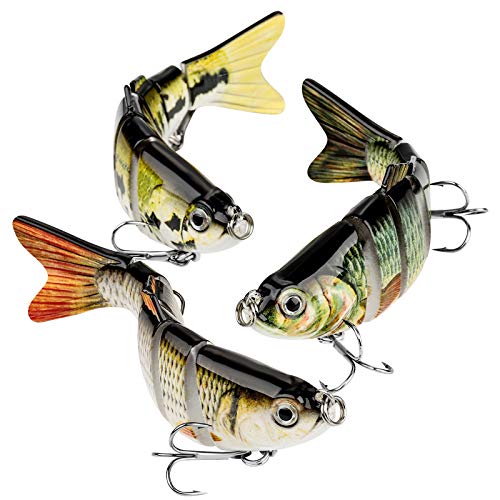
As an Amazon Associate we earn from qualifying purchases.
How do you choose a soft-plastic swimbait?
Start with the water and presentation you expect to fish, then choose a body profile and tail style that suit that plan. Decide whether a pre-rigged lure or an unrigged bait gives you the right balance of convenience and flexibility. Check the stated lure size, rigging details and any tackle guidance on the individual product page. A more elaborate shape is not automatically a better fit if it does not suit your intended presentation.
Swimbait features to compare
| Feature | What It Means | Why It Matters | What To Check |
|---|---|---|---|
| Body profile | The shape and proportions of the lure body. | It affects the prey-like silhouette and how the bait fits your intended presentation. | Look for listed dimensions or a clear product image, and consider whether the profile suits the forage you are trying to imitate. |
| Tail design | The shape of the tail, such as a paddle-style tail or another soft-plastic design. | Tail shapes can produce different movement during a retrieve. | Check the product images and description for the tail style; do not assume all swimbaits move the same way. |
| Rigging | Whether the lure is supplied pre-rigged or intended to be rigged by the angler. | Pre-rigging may simplify setup, while an unrigged bait lets you select a compatible hook and presentation. | Confirm whether a hook is included, how the lure is intended to be rigged and whether any rigging components are specified. |
| Size and weight | The stated dimensions and, when provided, weight of the lure or rig. | These details help you judge whether it suits your target presentation and tackle. | Check the individual listing for measurements and weight rather than estimating from an image. |
| Pack contents | The number of baits and any included components. | Pack contents affect how much spare tackle you have and whether you need additional items. | Read the listing to confirm the quantity and exactly what is included. |
Decision criteria that affect your choice
Match the profile to your intended presentation
Think about the prey shape and size you want the lure to suggest, as well as the space available for your presentation. A slimmer profile may be a better visual match for smaller or narrower prey, while a fuller body presents a different silhouette. Treat these as selection cues, not guarantees of how fish will respond. Use stated dimensions and product images to compare options.
Choose a tail for the movement you want
A paddle-style tail is a familiar swimbait design, but tail shapes and movement vary. Consider whether you want a pronounced tail profile or a subtler-looking design, then inspect the product description and images. Avoid assuming that appearance alone establishes how a lure will behave at a particular retrieve speed.
Decide between pre-rigged and unrigged
A pre-rigged swimbait can reduce the number of setup decisions, but the supplied hook and rigging may not match every angler’s preferred presentation. An unrigged lure offers more choice, but you need to select compatible components and rig it appropriately. Check what is included and whether the manufacturer specifies a suitable hook style or rigging approach.
Check size and tackle fit
Size can influence how a lure fits your intended target, presentation and tackle. If the product page lists weight, compare it with the range your rod and line are intended to handle; if it does not, avoid guessing from photographs. Specifications vary by model, so always check the individual product page before buying.
Review materials and pack details
Soft-plastic baits can differ in construction and pack contents. These details may affect how you store the lure and how many replacements you have on hand. Use the product description to verify the listed material information, quantity and included components instead of assuming similar-looking baits are packaged alike.
Soft-plastic swimbait types and variants
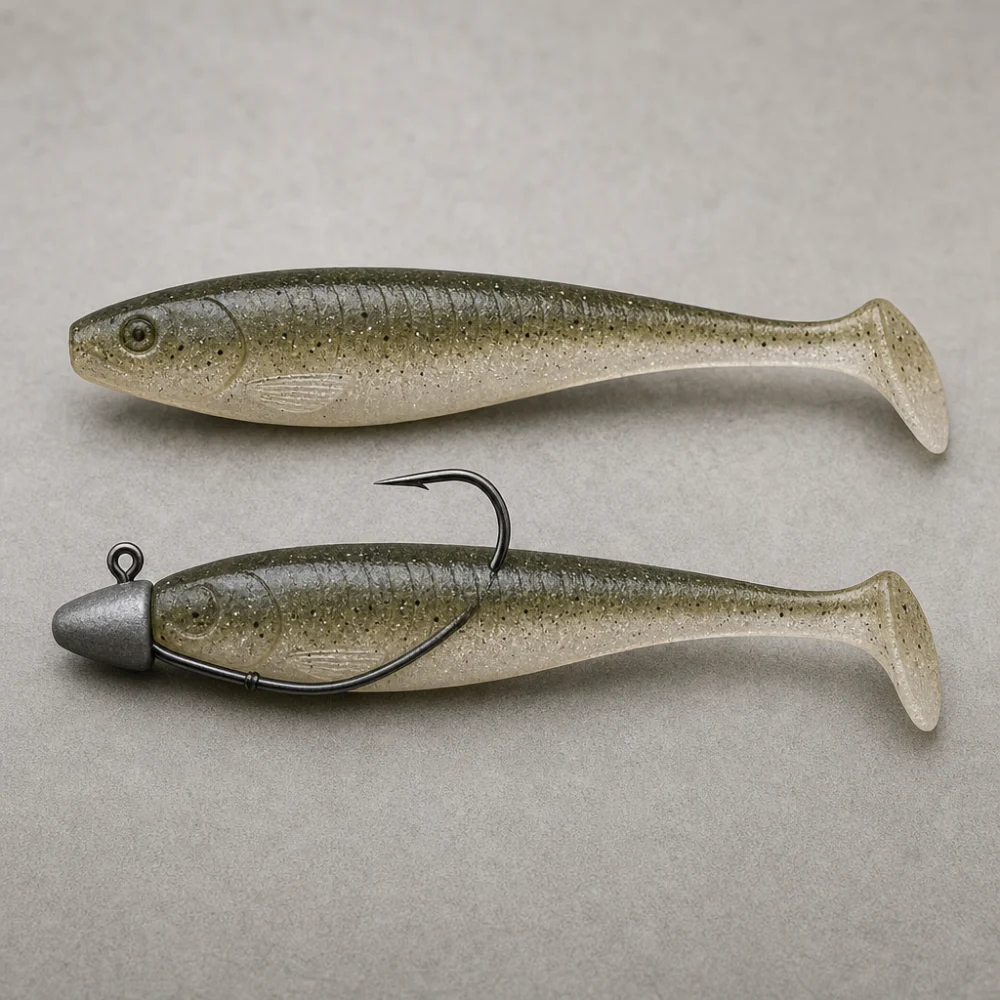
Unrigged soft-plastic swimbaits are a flexible choice if you want to select the hook and rigging yourself. The trade-off is that you must choose components that fit the lure and your intended presentation.
Pre-rigged swimbaits may suit buyers who prefer a lure supplied with its rigging already in place. Check the hook and other included components, since pre-rigged does not mean every setup will suit every situation.
Tail and body variations offer different silhouettes and intended movement. Compare the actual design and stated size rather than relying on a broad label such as “swimbait” to tell you how a specific lure is configured.
Choosing for your fishing needs
- For a simple starting point: Consider a clearly described, ready-to-use option if you value fewer rigging decisions. Verify what is actually included and whether its size suits your tackle.
- For more control over the setup: An unrigged bait may suit you if you want to choose the hook and presentation. Confirm that the lure’s design can accommodate the rigging you intend to use.
- For matching a particular forage profile: Compare the lure’s shape and stated dimensions with the prey you are trying to imitate. A product photo can help with shape, but use listed measurements where available.
- For fishing around cover: Consider how the chosen rigging positions the hook and whether that setup suits the cover you expect to encounter. Check product guidance and avoid assuming a lure is snag-resistant unless that is explicitly supported.
Common swimbait buying mistakes
- Choosing by appearance alone: Similar-looking baits can differ in size, tail shape and rigging. Compare the product details as well as the photos.
- Assuming a hook is included: Some options may be supplied pre-rigged and others may not. Confirm the pack contents before buying.
- Overlooking lure weight: A bait that looks suitable may not fit your tackle. Check the listed weight when available and compare it with your equipment guidance.
- Expecting one lure to suit every presentation: Body shape and rigging involve trade-offs. Choose for the conditions and approach you have in mind rather than expecting universal suitability.
- Assuming a pack contains more than the listing states: Verify the quantity and included components on the individual product page.
Safety and suitability
Swimbaits may include exposed hooks, so take care when handling, storing and transporting them. Choose a lure and rigging that suit your fishing equipment and intended use, and check the product information for any relevant handling guidance. Suitability depends on the specific lure and setup.
Care and storage considerations
Follow any care and storage guidance provided with the lure. Keep soft plastics organized, and check whether the product information recommends storing a particular bait separately from other materials. If a lure becomes damaged or its rigging is no longer in suitable condition, assess it before using it again.
A practical buying process
- Decide what prey profile and fishing presentation you want the swimbait to suggest.
- Choose whether you want a pre-rigged lure or the flexibility of an unrigged bait.
- Compare body shape, tail design and stated size against your intended use.
- Check listed weight, hook details, compatibility guidance and pack contents where provided.
- Review the trade-offs and confirm the specific product details before making your choice.
Swimbait buyer checklist
- Does the body profile suit the prey shape you want to imitate?
- Is the tail design appropriate for the movement you want?
- Is the lure pre-rigged, and are the included hook and components suitable for your plan?
- Are the stated size and weight compatible with your intended tackle?
- Have you confirmed pack quantity, included items and any storage guidance?
Frequently asked questions
What is the difference between a pre-rigged and unrigged swimbait?
A pre-rigged swimbait is supplied with rigging already attached, while an unrigged one leaves the hook and setup choices to you. Check the listing to confirm exactly what is included.
How do I choose a swimbait size?
Consider the prey profile you want to imitate and the tackle you plan to use. Compare stated measurements and weight where provided rather than judging size from a product image alone.
Are all soft-plastic swimbaits paddle-tail lures?
No. Tail designs can vary, and the category name alone does not specify a particular tail shape. Check the product images and description for the design of the individual lure.
Can I use a swimbait with my existing fishing tackle?
That depends on the lure’s size, weight, rigging and your equipment. Review any listed specifications and tackle guidance, and avoid assuming compatibility when those details are unclear.
How should I store soft-plastic swimbaits?
Follow the product’s care guidance and keep the lures organized. Check whether the manufacturer recommends storing a particular bait separately from other materials.
Choosing a swimbait color
Color is another way to tailor a lure to the prey and conditions you have in mind. Compare the available color options with the forage you want to imitate and how visible you want the lure to appear in the water, while recognizing that conditions and fish response vary. Check the individual product details for the colors actually offered rather than assuming every size or variant comes in the same options.
Ready to choose?
See all 9 Swimbaits →As an Amazon Associate we earn from qualifying purchases.