

A single climbing rope is a dynamic rope designated for use as a single strand in a climbing system. Choosing one means balancing the route and climbing style you have in mind with the rope’s dimensions, handling considerations and compatibility with your other equipment.
This guide is for climbers choosing a first rope or replacing one. It focuses on the selection factors that can be compared on an individual product page; it does not assume that any particular rope suits every route, device or climbing system.
Compare Single Climbing Ropes


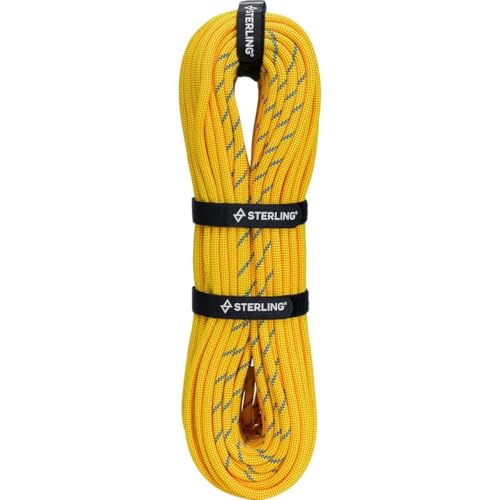


As an Amazon Associate we earn from qualifying purchases.
Which single climbing rope should you choose?
Start by confirming that the rope is explicitly identified for single-rope use, then choose a length that fits your intended climbing and descent needs. Compare diameter and weight alongside the compatibility guidance for your belay device and other equipment. A lighter or thinner rope can involve different handling and durability trade-offs, so do not choose on weight alone. Check the manufacturer’s intended use and care information before deciding.
Compare the main buying factors
| Feature | What It Means | Why It Matters | What To Check |
|---|---|---|---|
| Rope designation | The manufacturer identifies the rope for a particular rope-system use. | Single, half and twin rope designations are not interchangeable labels. | Confirm that the individual rope is marked and described for single-rope use. |
| Length | The rope’s stated end-to-end length. | It must suit the routes and descent requirements you expect to encounter. | Check the length against route information and guidance from a qualified source familiar with the intended area. |
| Diameter | The stated thickness of the rope. | It affects handling and may affect compatibility with belay devices and other equipment. | Compare the rope diameter with the device manufacturer’s stated compatibility range and recommendations. |
| Weight | Often stated as weight per unit of rope length or as a total rope weight. | Weight can matter when carrying equipment, but it is only one part of the choice. | Check how the weight is stated and compare it with length and other relevant characteristics. |
| Water-repellent treatment | Some ropes are described as having a treatment intended to limit water absorption. | It may be relevant for the conditions in which you plan to climb, but does not make a rope suitable for every condition. | Read the specific treatment description and the manufacturer’s conditions and care guidance. |
| Care and inspection guidance | Instructions for use, care, inspection and retirement. | Rope condition is a safety consideration, and guidance can differ by product. | Review the manufacturer’s instructions before purchase and keep them available for reference. |
What to consider before buying
Confirm the rope-system designation
Choose a rope specifically identified for single-rope use. Half and twin ropes are different system designations; do not treat those labels as substitutes for a single-rope designation. If the marking or intended use is unclear, seek clarification from the manufacturer or a qualified climbing-equipment professional before relying on the rope for a particular setup.
Match the length to your intended routes
Route length is not the only consideration: the intended descent and the climbing area’s requirements also matter. Check reliable route information and account for the specific use you have in mind rather than assuming one length works everywhere. If you climb in varied locations, compare the rope length with the requirements of the routes you actually expect to use.
Balance diameter, handling and compatibility
Diameter is a key comparison point, but there is no universally best choice. A thinner rope may appeal to buyers prioritizing lower carried weight, while a thicker one may be preferred for different handling or wear considerations; actual characteristics depend on the individual rope. Confirm that your belay device and other relevant equipment are specified as compatible with that rope’s diameter, and consider how the combination feels and handles under qualified instruction.
Consider weight in context
Weight can influence how much equipment you carry, especially when a route requires a longer rope. Compare weight using the same basis, such as weight per length, and consider it alongside diameter, intended use and compatibility. A lower stated weight by itself does not establish that a rope is the right choice for your climbing.
Decide whether a water-repellent treatment fits your conditions
Treatment descriptions vary, so read the product information to understand what the manufacturer claims and how the rope should be cared for. Do not infer that a treated rope is appropriate for every wet, icy or otherwise demanding condition. The intended use and conditions should be checked against the manufacturer’s guidance.
Specifications vary by model, so always check the individual product page before buying.
Types and variations within single ropes
Within this category, the central distinction is the single-rope designation. Individual ropes may differ in diameter, length, weight, construction details and whether they have a stated water-repellent treatment. These are product characteristics rather than interchangeable rope-system designations: compare the exact rope’s intended use and specifications instead of assuming that one variation is suitable for all climbers or conditions.
How needs can change the choice
- For a first rope: Prioritize a clear single-rope designation, a suitable length for your intended routes and straightforward compatibility information for your equipment.
- For carrying gear on longer approaches: Weight may deserve more attention, but weigh it against handling, diameter and the intended use stated by the manufacturer.
- For climbing in conditions where moisture is a concern: Compare the specific treatment information and limitations rather than relying on a general label alone.
- For replacing a rope: Recheck your current device’s compatibility and your intended routes; a replacement does not have to match the old rope’s characteristics if your needs or equipment have changed.
Common buying mistakes and misunderstandings
- Assuming every climbing rope is a single rope: Check the explicit designation; single, half and twin ropes describe different intended system uses.
- Choosing by diameter alone: Compare compatibility, length, weight and the manufacturer’s intended use as well.
- Buying a length without checking route needs: Consider the routes and descent requirements you expect to encounter, and verify them with reliable, location-specific information.
- Treating a treatment label as a guarantee: Read what the manufacturer says about the treatment, suitable conditions and care.
- Assuming a replacement must match the old rope: Reassess your equipment and use; verify compatibility rather than relying on similarity in appearance or a familiar diameter.
Safety and suitability
A climbing rope is safety-critical equipment. Confirm its intended use, condition requirements and compatibility with the rest of your climbing system using the manufacturer’s documentation and guidance from a qualified climbing professional. Do not rely on a product title alone to establish suitability, and do not use a rope if its history, condition or intended use is uncertain.
Care, storage and service life
Before buying, review the manufacturer’s instructions for care, inspection, storage and retirement. Follow the product-specific guidance, since recommendations can vary. Keep a rope away from conditions the manufacturer identifies as damaging, and do not assume that cleaning, repair or continued use is appropriate without consulting the relevant instructions or a qualified professional.
A practical buying process
- Identify the routes and climbing conditions for which you need a rope.
- Confirm the rope is designated for single-rope use.
- Check the length against route and descent requirements for your intended use.
- Compare diameter and weight, including compatibility with your equipment.
- Review treatment details, care guidance and any stated limitations.
- Resolve any uncertainty about suitability with the manufacturer or a qualified climbing-equipment professional before purchase.
Buyer checklist
- Is the rope explicitly designated for single-rope use?
- Does its length suit the routes and descent requirements I expect to encounter?
- Is its diameter compatible with my belay device and other relevant equipment?
- Have I considered weight alongside handling and intended use?
- Do I understand any treatment description and its stated limitations?
- Have I reviewed the manufacturer’s care, inspection, storage and retirement guidance?
Frequently asked questions
What does “single” mean on a climbing rope?
It identifies a rope intended for use as a single strand in a climbing system. It is a system designation, not simply a description of the rope’s appearance. Check the rope’s marking and manufacturer information to confirm its intended use.
Can I use a half or twin rope as a single rope?
Do not assume that you can. These designations indicate different intended uses, and a product’s suitability depends on its marking and the system guidance supplied by its manufacturer. Ask a qualified professional if you are unsure.
How do I choose the right rope length?
Base the decision on the routes and descent requirements you expect to encounter, using reliable information for the climbing area. Avoid assuming that a length suitable for one route or location will suit another.
Does a thinner rope always weigh less or handle better?
Not necessarily in a way that makes it the better choice for you. Compare the individual rope’s stated weight and diameter, then check handling considerations and equipment compatibility rather than relying on thickness alone.
Do I need a water-repellent rope?
That depends on your intended conditions and the manufacturer’s guidance for the particular rope. Read the treatment description and its limitations; a treatment label is not a guarantee of suitability for every condition.
When should a climbing rope be retired?
Follow the manufacturer’s retirement guidance and consider the rope’s history and condition. If its history is unknown or you are uncertain about its condition, seek advice from a qualified climbing professional rather than guessing.
More Single Climbing Ropes
See all 22 Single Climbing Ropes →
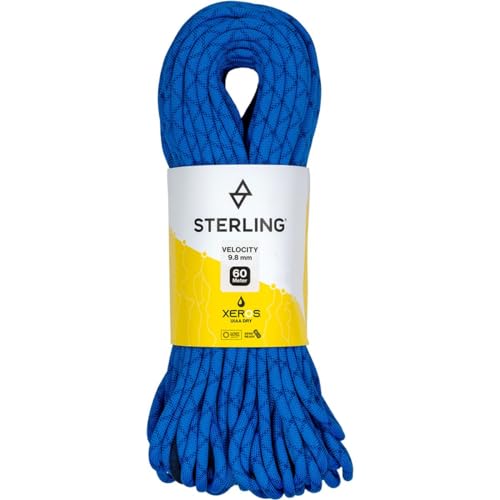


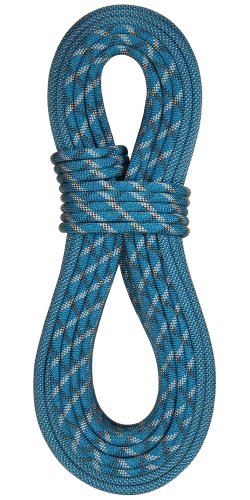
As an Amazon Associate we earn from qualifying purchases.