

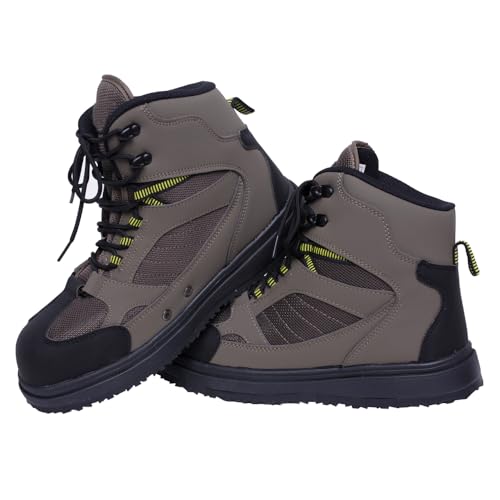
Wading boots are the footwear layer that helps you move more securely and comfortably in and around the water. For most buyers, the main decision is not just size, but how the boot will work with the waders you already own, the surfaces you fish, and how much support you want over a long day.
This guide focuses on the choices that matter before you compare individual product pages. It can help if you are replacing worn boots, upgrading for better traction, or buying your first pair to complete a wading setup.
Because wading boots are used in wet, uneven environments, small differences in fit, sole style, and support can matter a lot. Specifications vary by model, so always check the individual product page before buying.
Compare Wading Boots




As an Amazon Associate we earn from qualifying purchases.
What should you look for in wading boots?
Start with fit, compatibility, and traction. A boot that fits over your waders, feels secure at the heel, and gives the right grip for the waters you fish is usually a better choice than one that looks more specialized on paper. Support matters too, especially if you walk far, stand on slick banks, or carry gear for long periods.
| Feature | What It Means | Why It Matters | What to Check |
|---|---|---|---|
| Fit over waders | How well the boot accommodates the foot, sock layer, and wader bootie | Too little room can feel cramped; too much room can reduce security | Size guidance, toe room, and whether the boot is meant for stockingfoot waders |
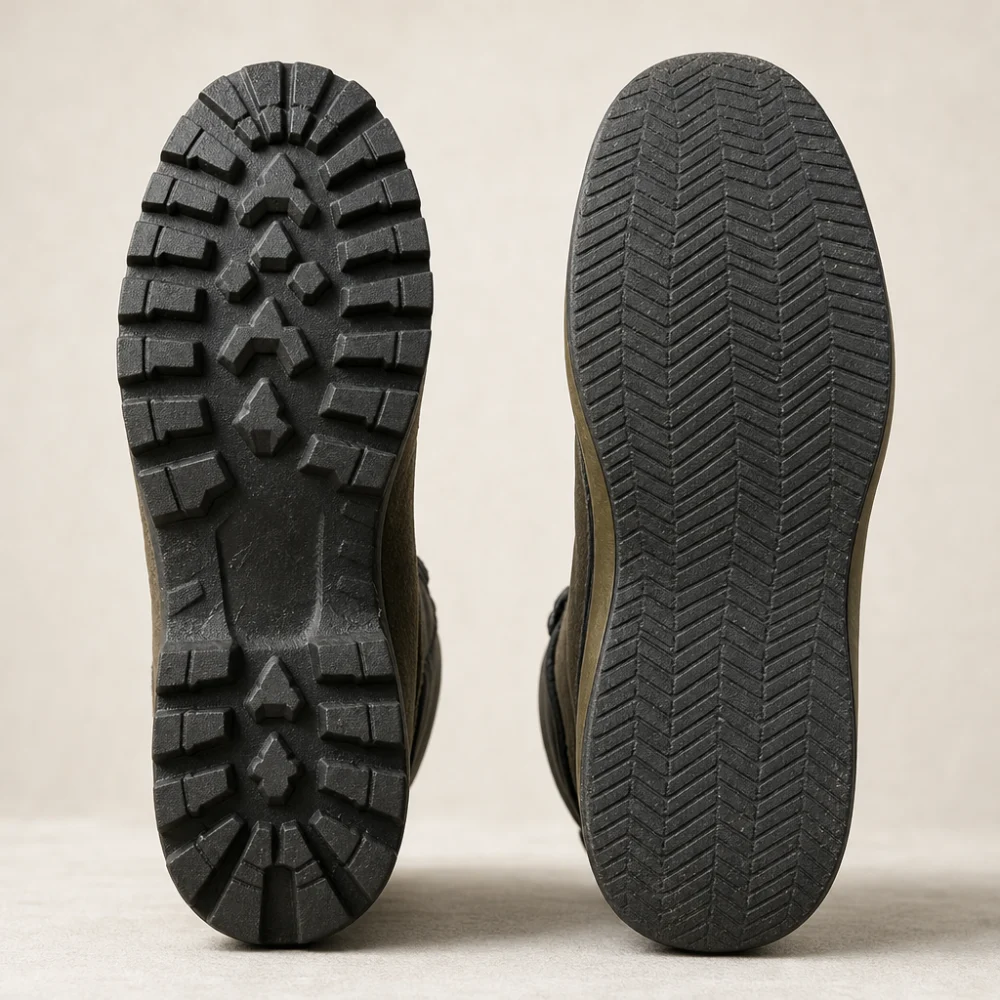
| Sole type | The bottom of the boot and the grip it provides | Different bottoms suit different riverbeds, banks, and trail approaches | Whether the sole style matches the surfaces you commonly fish |
| Ankle and foot support | How stable the boot feels when walking or standing on uneven ground | More support can reduce fatigue and improve confidence on rough terrain | Upper structure, lacing coverage, and how firmly the boot holds the foot |
| Drainage and dry time | How water moves through and out of the boot | Helps with comfort after entering or leaving the water | Drain design and materials that are easier to dry and clean |
| Weight and bulk | How heavy and bulky the boot feels during a full outing | Lighter boots can be easier to wear all day, while sturdier ones may feel more supportive | Material balance and whether portability matters for your use |
Key decision criteria
Fit and sizing
Fit is one of the biggest comfort factors. Wading boots need to work over the foot section of your waders, so the size you choose may not feel like a normal street shoe fit. Look for clear size guidance and think about how much layering you expect to wear underneath.
Traction for your fishing environment
The best traction depends on where you fish most often. Smooth boat ramps, muddy banks, gravel bars, and rocky streams all favor different levels of grip and stability. Rather than assuming one outsole type is ideal for every setting, match the boot to the surfaces you actually encounter.
Support and stability
If you spend hours standing in moving water or walk long distances to reach a spot, support becomes more important. A boot with a more secure hold around the ankle and midfoot may feel steadier, but it can also feel less flexible. The right balance depends on whether you prioritize all-day comfort, agility, or extra structure.
Drainage and cleaning
Wet gear is easier to live with when it drains and dries reasonably well. Boots that are easier to rinse and air out can be simpler to maintain after muddy or silty conditions. If you fish often, think about how the boot will handle repeated wet-to-dry cycles between trips.
Durability and materials
Material choices affect how a boot feels, how it holds up to abrasion, and how easy it is to clean. More rugged construction can be useful where rocks and rough banks are common, while simpler builds may appeal if you want lighter carry and less bulk. Specifications vary by model, so always check the individual product page before buying.
Common wading boot types and variants
Many wading boots differ mainly in sole style, overall build, and the amount of support they provide. That means the practical choice is usually about matching the boot to the kind of water and terrain you expect, not chasing a single universal design.
- Support-focused boots: Better for buyers who want a more secure feel on uneven ground or during longer walks.
- Lighter-weight boots: Useful when reducing fatigue and bulk matters more than maximum structure.
- High-traction styles: Best when grip on slippery or mixed surfaces is a major concern.
- Simpler all-around boots: A practical option if you want a straightforward boot for mixed recreational use.
Which boot is right for your needs?
| Your need | What to prioritize | Why it helps |
|---|---|---|
| First-time buyer | Clear sizing guidance, secure fit, and easy-to-understand compatibility | Makes it easier to avoid a boot that feels awkward with your waders |
| Long walking approach | Comfort, support, and manageable weight | Helps reduce fatigue before you even reach the water |
| Mixed terrain fishing | Stable footing and a sole suited to varied surfaces | Gives more confidence when conditions change from bank to streambed |
| Upgrade from older boots | Better support, better traction, or easier maintenance than your current pair | Helps target the reason you are replacing them instead of buying by habit |
| Occasional use | Straightforward fit and practical durability | Can be enough if you do not need specialty features |
Common mistakes and misunderstandings
- Choosing by shoe size alone: Wading boots have to work with your waders, so ordinary shoe sizing is only part of the decision.
- Ignoring the fishing environment: A boot that feels fine in one setting may be less suitable on slick rocks, muddy banks, or long walking approaches.
- Assuming more structure is always better: Extra support can improve stability, but it may also add weight or reduce flexibility.
- Overlooking maintenance: Boots that are hard to rinse or slow to dry can become less pleasant to use over time.
Safety and suitability caveats
Wading boots are only one part of a safe and comfortable wading setup. Make sure the boot size and style are appropriate for your waders and for the conditions you expect to face. Do not assume that a boot with strong traction will make every surface secure, especially in moving water or on uneven terrain.
Maintenance, storage, and lifespan considerations
Basic care can affect how long wading boots stay usable. Rinsing off mud, sand, and grit after a trip can help reduce wear, and drying them fully before storage can make them more comfortable to wear next time. If you fish frequently, it also helps to think about how easy the boot is to clean and store between outings.
How to compare options efficiently
- Start with the waders you use and confirm the boot style is appropriate for them.
- Decide which matters more for your fishing: support, traction, lighter weight, or easier maintenance.
- Compare sizing guidance carefully, especially if you expect to wear thicker sock layers.
- Check how the sole and overall build fit the surfaces you fish most often.
- Review the individual product page for any model-specific details before deciding.
Summary buyer decision checklist
- Does the boot fit securely over your waders?
- Is the traction suitable for the places you fish?
- Do you need more support or less weight?
- Will the boot be easy to clean and dry after use?
- Does the style match your usual terrain and walking distance?
- Have you checked the individual product page for model-specific details?
Frequently asked questions
Do wading boots fit like regular boots?
Not always. Wading boots are usually chosen with wader fit in mind, so the sizing and feel may differ from everyday footwear. It is helpful to check how the product is meant to fit over the foot section of your waders.
Can I use one pair of wading boots for different fishing spots?
Often, yes, but performance can vary with terrain. A boot that works well in mixed conditions may still feel better in some places than others. If you fish very different environments, prioritize an all-around design with clear fit guidance.
What matters more: traction or support?
It depends on where and how you fish. Traction matters most on slick or uneven surfaces, while support becomes more important on longer walks and during extended standing. Many buyers want a balanced middle ground rather than an extreme in either direction.
Are lighter wading boots always better?
Not necessarily. Lighter boots can feel easier to wear, but some buyers prefer the added structure of a sturdier boot. The better choice depends on whether you value mobility, support, or a compromise between the two.
How do I know if a boot is compatible with my waders?
Check the boot description for the intended wader type and the sizing guidance provided on the product page. Compatibility usually comes down to how the boot fits over the wader foot section and whether the overall shape feels secure. Specifications vary by model, so always check the individual product page before buying.
Do I need a special boot for rocky water?
Rocky conditions often favor boots with stable footing and a sole suited to rough surfaces. The goal is to reduce slipping and improve confidence, not to find a one-size-fits-all answer. Matching the boot to your most common terrain is usually the most practical approach.
Compare outsole types before choosing
Outsole style is one of the most useful ways to narrow wading boots. Felt, rubber, and studded soles can feel different across wet rock, muddy banks, and walking approaches, so match the sole to the places you fish most rather than assuming one type suits every surface.
| Outsole style | What to consider | Check before buying |
|---|---|---|
| Felt | Often chosen for grip on wet rock, but may be less convenient on muddy or dry approaches. | Whether your usual fishing spots include substantial walking on trails or banks. |
| Rubber | Can be practical for moving between water and land; grip depends on the tread and surface. | The sole pattern and whether it suits the terrain you encounter most. |
| Studded or stud-compatible | Studs may add bite on some hard, slick surfaces, but can feel less comfortable on hard ground. | Whether studs are included or sold separately, and whether the boot is specifically designed to accept them. |
Studs are not automatically compatible across boots. If you are considering adding them, confirm the sole is designed for that use and check the product information for the appropriate stud type. When your fishing involves several kinds of terrain, weigh the surface where traction matters most against comfort and practicality on the rest of the route.
More Wading Boots
See all 75 Wading Boots →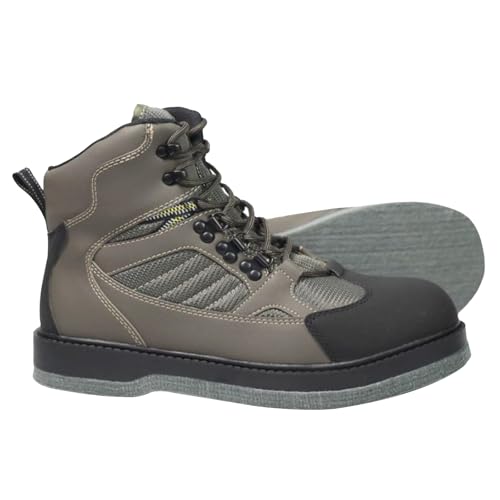


As an Amazon Associate we earn from qualifying purchases.