
Wading Boots
Wading boots are built for fishing in rivers, streams, and other shallow-water conditions where traction and support matter. Visitors comparing this category often look at fit, sole style, ankle support, and how well the boots work with their waders and the surfaces they expect to walk on.
When you review the options, check the product details for sizing guidance, intended use, and any notes about compatibility with wading socks or specific traction needs. The right pair depends on the type of water, the terrain, and how much walking you plan to do.
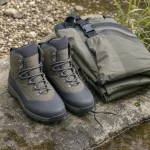
Showing 1–12 of 75 results
-
Wading Boots
Caddis Wading Systems Men’s Felt Sole Wading Boots, Light Green, 10 US
$72.82 View on Amazon -
Wading Boots
Caddis Wading Systems Men’s Flats Fishing Wader Boots, Black, 10 US
$44.99 View on Amazon -
Wading Boots
Calamus WaveWalker Waist Waders with Boots, Military Green, Size 10
$47.59 View on Amazon

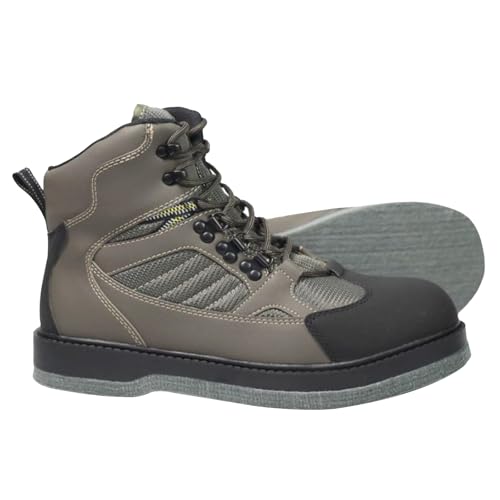


Wading boots are designed for anglers who need steady footing and support while moving through water, slippery banks, or uneven riverbeds. This category covers boots made to be worn with waders, so visitors can compare choices based on how they handle traction, comfort, and day-long wear in fishing conditions.
What to compare in wading boots
Fit is one of the first things to check. Wading boots are often chosen to work over wader socks or bootfoot-style gear, so sizing guidance matters. A secure fit can help with control and comfort, while a boot that is too tight or too loose may feel awkward during longer outings.
Sole style is another important distinction. Different soles may be better suited to different streambeds, river rocks, mud, or trail approaches to the water. If a listing mentions a traction approach, review the product page carefully and match it to the terrain you expect to encounter.
Support, comfort, and water-side use
Many shoppers also compare ankle support, closure style, and overall boot structure. These details can affect how stable the boots feel when stepping on uneven ground or moving in current. Breathability, drainage, and ease of cleaning may also matter, especially if the boots will be used often.
Because fishing conditions vary, it helps to think about where the boots will be used most. Boots for shorter trips on easy access banks may feel different from options intended for longer walks, rocky crossings, or more technical wading environments. Checking individual product details is the best way to understand how each pair is intended to perform.
Choosing the right pair for your setup
Wading boots are usually part of a larger fishing system, so compatibility is worth confirming before choosing a pair. Review the listing for notes about waders, sock style, and any product-specific fit recommendations. If you are building out a full setup, related categories such as chest waders, fly fishing waders, hip waders, wading belts, and wader repair kits may also help narrow the overall arrangement.
Compare the available options for the balance of traction, support, and comfort that fits your fishing style. Small differences in sole design, fit, and construction can make a noticeable difference once you are in the water or hiking to the fishing spot.
Traction options and care
Some wading boots use felt or rubber soles, while other designs accommodate added studs or cleats. These options can feel different on slick rock, mud, and approaches to the water, so consider the terrain you expect to encounter. If choosing studs, confirm that they are intended for the specific boot and sole, and follow the maker’s fitting guidance.
Rules for felt soles and other traction features can vary by waterway. Check current local requirements before heading out. Clean and dry boots between outings, and follow local guidance for reducing the spread of aquatic organisms.