

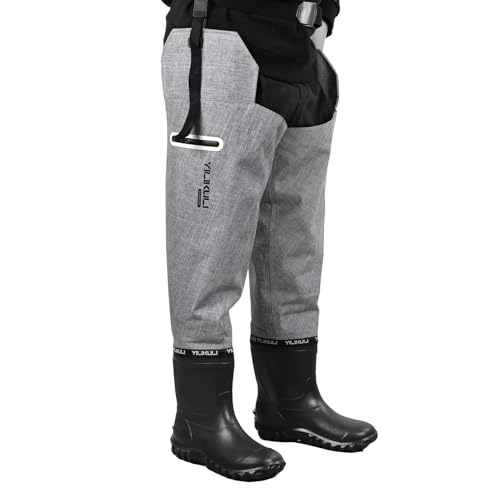
Hip waders are a practical option for anglers who spend time in shallow water and want more protection than ordinary boots provide. They are designed for situations where full chest coverage is not necessary, and that makes the buying decision more about reach, comfort, and where you plan to stand than about maximum waterproof height.
If you are comparing wader types for the first time, it helps to think about how deep you usually go, how much walking you do, and whether you need easy on-and-off convenience. Hip waders can be a simpler, lighter choice than taller alternatives, but the shorter height also means less margin for deeper water.
Specifications vary by model, so always check the individual product page before buying.
Compare Hip Waders




As an Amazon Associate we earn from qualifying purchases.
What should you look for in hip waders?
The most useful starting point is the water depth you expect to face. From there, compare fit, material, sole style, and how easy the waders are to put on and take off. Comfort matters because hip waders are often chosen for frequent movement, short sessions, or situations where you may switch between water and shore several times.
| Feature | What It Means | Why It Matters | What To Check |
|---|---|---|---|
| Coverage height | How far up the leg the wader extends | Determines whether the wader suits shallow or moderately deeper water | Match the height to your typical fishing spots and leave room for safe movement |
| Fit and sizing | The way the wader follows your leg and foot shape | Affects comfort, mobility, and how easy it is to walk or crouch | Look for size details that fit your boots, leg width, and layering needs |
| Material | The construction used for the body of the wader | Influences flexibility, durability, and comfort | Check the material description and think about how often you will use them |
| Boot or stocking-foot style | Whether the wader includes an attached boot or uses a separate footwear setup | Changes comfort, traction, and overall convenience | Confirm what footwear is required and whether it suits your preferred setup |
| Closure and entry | How the wader opens and secures | Affects how quickly you can put them on and remove them | Look for closures that feel secure but manageable with gloves or cold hands |
| Traction compatibility | How the wader works with the surface underfoot | Helps determine stability on mud, rocks, or slick banks | Consider the type of sole or footwear pairing that fits your terrain |
Key decision criteria explained
Water depth and fishing environment
The biggest choice is whether hip waders are tall enough for where you actually fish. They are most useful when you stay in shallow water, along stream edges, in marshy ground, or in places where you need splash protection without full-body coverage. If your usual spots vary a lot, think about the deepest conditions you expect rather than the average day.
Mobility versus coverage
Shorter waders are often easier to move in and can feel less restrictive than taller options. That convenience is a real benefit if you walk banks, kneel often, or do not want extra material around your body. The trade-off is simpler: less height means less coverage.
Footwear setup
Some buyers prefer the convenience of an integrated boot, while others may want a separate footwear arrangement. This choice affects comfort, storage, and how easy it is to match traction to your terrain. If you already have preferred footwear, check whether the wader style works with it before assuming it will.
Material and season use
Material affects how the waders feel during a long outing and how suited they are to frequent use. Lighter construction can feel easier on short, active trips, while more robust options may suit rougher conditions or repeated wear. Specifications vary by model, so always check the individual product page before buying.
Types and variants within this category
Hip waders are a narrower category than many shoppers expect, but there are still meaningful differences in design. The main variations usually come from coverage height, boot style, and construction rather than from dramatic feature sets. That means the best comparison is often about fit and intended use, not feature count.
- Integrated-boot styles may suit buyers who want a simple, all-in-one setup.
- Stocking-foot styles may suit buyers who want to pair the wader with separate footwear for a more customized feel.
- Lightweight designs may suit occasional use and shorter outings.
- More rugged designs may suit more frequent use or tougher ground conditions.
Which hip waders suit different buyers?
| Buyer need | What tends to matter most | Why |
|---|---|---|
| Shallow-water angler | Coverage height and easy movement | Shallow use does not require extra height, but comfort still matters during active fishing |
| Frequent walker | Weight, flexibility, and fit | Longer walks make fatigue and restriction more noticeable |
| Occasional user | Simplicity and easy storage | A straightforward setup can be easier to own and maintain |
| Buyer with existing footwear preferences | Boot compatibility | Not every wader style works the same way with separate shoes or boots |
| Cold-weather layerer | Room for clothing underneath | Fit should leave space for the layers you actually plan to wear |
Common mistakes and misunderstandings
- Choosing for the deepest possible wading instead of the water depth you usually face. A shorter wader can be the better fit if your normal use stays shallow.
- Ignoring fit in favor of height. A wader that fits poorly is harder to move in and less pleasant to wear.
- Assuming all footwear setups feel the same. Boot style can change comfort, traction, and convenience in practical ways.
- Overlooking terrain. Mud, rocks, and slick banks can affect what type of sole or pairing makes sense.
Safety and suitability caveats
Hip waders are best matched to shallow-water use and stable footing. They are not a substitute for checking local conditions, water depth, or surface hazards before you enter the water. Choose a height and fit that leave enough room to move safely, especially if you expect uneven banks or changing conditions.
Maintenance, storage and lifespan considerations
General care affects how long waders stay comfortable and usable. After use, rinse off mud, sand, or debris when needed, let them dry fully, and store them in a way that avoids unnecessary creasing or stress. If a model uses separate footwear or accessories, think about cleaning and storage for those items too so the whole setup stays ready for the next trip.
How to compare hip waders efficiently
- Start with your usual water depth and walking distance.
- Decide whether you want integrated boots or a separate footwear setup.
- Compare fit details, especially room for movement and layering.
- Check the material and construction for the kind of use you expect.
- Review the individual product page for the exact size, style, and care information.
Summary buyer decision checklist
- Does the height suit your normal fishing water depth?
- Will the fit allow easy walking, bending, and layering?
- Do you prefer integrated boots or a separate footwear approach?
- Is the material suited to how often you plan to use them?
- Will the sole or footwear pairing work for your terrain?
- Have you checked the individual product page for the exact details?
Frequently asked questions
Are hip waders enough for most fishing trips?
They can be enough when you stay in shallow water or mainly want protection near shorelines and stream edges. If your fishing sometimes puts you in deeper conditions, a taller style may be more appropriate. The key is to match the height to the water you actually expect.
What is the main difference between hip waders and chest waders?
Hip waders cover less of the body, which can make them easier to move in and quicker to use. Chest waders offer more coverage for deeper water, but they can feel like more gear than you need in shallow conditions. The better choice depends on the water depth and the amount of mobility you want.
Should I choose an integrated boot or a separate footwear setup?
That depends on whether convenience or customization matters more to you. An integrated boot can be simpler, while a separate setup may give you more control over fit and traction. Check the product page carefully so you know exactly how the wader is intended to be worn.
Do hip waders need to fit snugly?
They should fit securely without feeling restrictive. Too loose can make movement awkward, while too tight can be uncomfortable and may limit layering. The best fit usually gives you enough room for natural movement and the clothing you expect to wear underneath.
Are hip waders only for fishing?
No, they may also suit other shallow-water outdoor tasks where leg protection is useful. Still, the intended use should match the design and height of the specific product. Always check the product page so you know what the item is meant for.
How do I know if hip waders are the right height for me?
Think about the deepest water you normally enter, not just the most common conditions. If you want more coverage than a boot but do not need chest-high protection, hip waders may be a practical middle ground. If the water depth varies a lot, choose the option that fits the more demanding situation.
More Hip Waders
See all 57 Hip Waders →


As an Amazon Associate we earn from qualifying purchases.