
Hip Waders
Hip Waders are for anglers who want leg and lower-body coverage for shallow water, mud, and wet banks without the higher coverage of chest waders. They are commonly compared by height, fit, boot style, and the type of fishing or access conditions they suit.
When browsing the options, check how far up the leg the wader rises, how easily it moves with you, and whether the design leaves enough room for layered clothing or longer walks between spots.
Showing 1–12 of 57 results


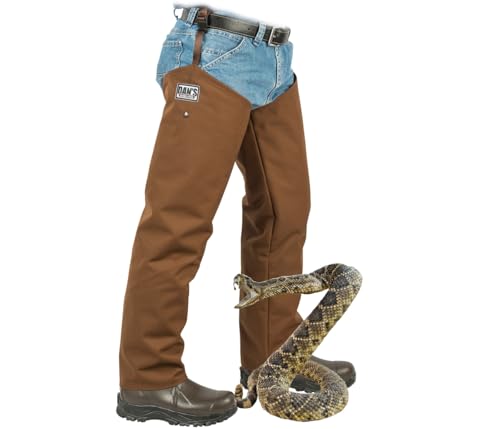


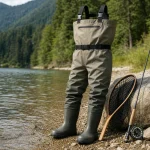
Hip Waders are designed for fishing situations where water is shallow enough that full chest coverage is not necessary. They can be a practical choice for moving through stream edges, muddy shorelines, marshy ground, and other wet areas where you still want protection from splashes and standing water below the waist. Because this category sits within fishing waders and accessories, shoppers often compare hip waders with related options to decide how much coverage they actually need.
What to look for in hip waders
The most important factor is height. Hip waders should match the depth and conditions you expect to encounter, since they are intended for lower-water use rather than deeper crossings. Fit also matters, especially around the waist, hips, and upper leg, because a comfortable fit can make it easier to walk, kneel, and cast. If a listing includes boot style or separate boot sizing, it is worth checking those details closely so the waders work with your usual fishing setup.
Comfort and movement
Hip waders are often chosen for convenience and freedom of movement. Compared with taller waders, they can feel less bulky and may be easier to put on and take off for short outings. Look at the cut, closure style, and any support features described on the individual product page. If you expect to spend time on uneven banks or walking between fishing spots, consider how the design may affect balance and mobility.
Choosing the right level of coverage
This category is best suited to anglers who do not need the extra reach of chest waders. If conditions can change quickly or water depth is unpredictable, compare hip waders carefully with taller alternatives before choosing. For many shoppers, the right pick comes down to matching the wader height to the waterline, the terrain, and the style of fishing.
Review the individual product details for sizing guidance, material information, and any care instructions so you can compare listings with confidence.
Account for depth and footing
Because hip waders end lower on the body than chest waders, water that rises above their top can enter; they are not a safeguard for deeper crossings. Check the route for changing depth, current, slippery banks, and uneven footing, and stay within conditions you can manage safely. If the waterline or footing is uncertain, choose a safer route rather than relying on waders for protection.