

A one-person backpacking tent is designed to shelter one camper while keeping packed size and weight in mind. The right choice depends on more than the occupancy label: your sleeping setup, gear, route, expected conditions, and preferred way to pitch a tent all affect what will feel practical.
Use this guide to compare the features that shape comfort and carry, then check the details for each individual tent. A compact solo shelter can save space in a pack, but may leave less room for belongings or movement than a roomier design.
Compare One-Person Backpacking Tents

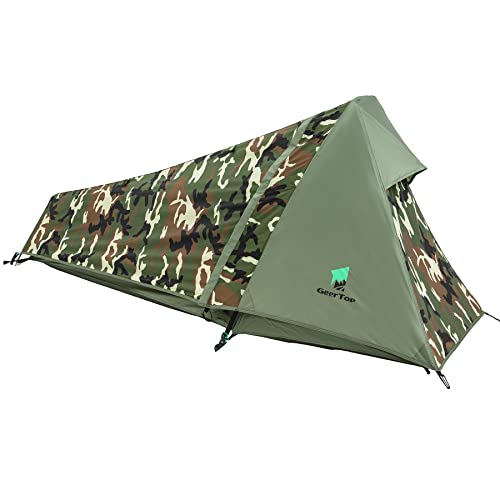
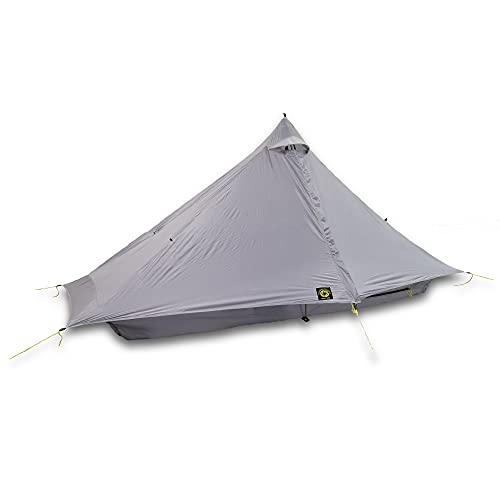


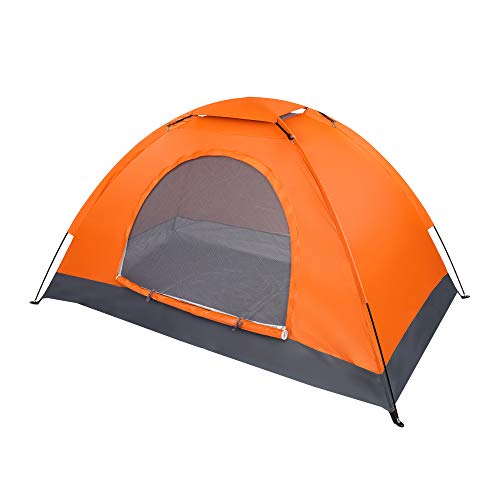
As an Amazon Associate we earn from qualifying purchases.
What should you look for in a one-person backpacking tent?
Start with the interior dimensions and layout, then consider the tent’s packed weight, pitch style, and suitability for the conditions you expect. Check whether the tent’s listed weight includes the components you plan to carry. The best balance is the one that fits your sleep system and trip priorities without relying on assumptions about a product’s performance.
Compare the key buying factors
| Feature | What It Means | Why It Matters | What To Check |
|---|---|---|---|
| Interior dimensions and shape | The usable floor area and the way it narrows or widens. | These affect room for your sleeping pad, sleeping bag, and personal items. | Compare the floor dimensions and shape with your sleep system; check whether the listed measurements describe usable interior space. |
| Vestibule and entry layout | The door position and any covered space outside the inner sleeping area. | Layout can affect access and where you can place gear out of the sleeping area. | Look for the number and position of doors and vestibules, if specified, and consider how you prefer to organize belongings. |
| Packed weight and carried components | The weight of the tent and the parts included in the stated figure. | Weight matters on a backpacking trip, but a figure can be misleading if it excludes components you need to carry. | Check what is included in the listed weight and whether stakes, poles, a footprint, or other parts are counted. |
| Pitch style | How the tent is supported and set up, such as with included poles or trekking poles. | Different designs can suit different preferences and equipment setups. | Confirm what supports the tent and whether any required support equipment is included or needs to be supplied separately. |
| Weather and ventilation details | Product information about construction, coverage, and airflow. | These details help you judge whether the tent is appropriate for the conditions you expect. | Read the stated use guidance and construction details; do not assume a category name alone guarantees protection in particular conditions. |
| Packed size and storage | How the tent packs down and how its components are stored. | A manageable packed shape can make it easier to fit the shelter into your overall load. | Check listed packed dimensions and whether the included storage arrangement works with your pack. |
Decision criteria that affect the fit
Interior room for your sleep system
Compare the floor dimensions with the sleeping pad you intend to use, including its width and shape. Consider whether you want space beside the pad for small items, or whether keeping most gear outside the sleeping area is acceptable. The occupancy label is a starting point, not a guarantee that every camper will find the interior roomy.
If you use a long sleeping pad or prefer extra elbow room, pay close attention to the interior length, width, and sloping walls. A wider floor may add comfort, while a more compact layout can reduce the space available for belongings. Specifications vary by model, so always check the individual product page before buying.

Entry, vestibule, and gear placement
Think about where you want to keep footwear and other items, and whether you prefer to enter from the side or another position. A vestibule can provide a separate covered area when a design includes one, but its size and arrangement should be checked rather than assumed. The door layout also affects how convenient the tent may feel in the campsite you typically choose.
Weight and what you actually carry
Compare weight figures on the same basis. A listed minimum or trail weight may not include every component needed for your intended setup, so read the product details to see what is counted. A lighter shelter may appeal to buyers focused on reducing pack load, while a design with additional parts or a different pitch method may better suit other priorities.
Pitch style and equipment requirements
Freestanding tents use their own pole structure to hold their shape, while trekking-pole-supported designs use trekking poles as part of the support system. Some designs rely more on stakes and tension to achieve their pitched shape. Each approach has trade-offs in setup preference, required equipment, and how the shelter is supported. Check the specific product’s setup information, included components, and any equipment it expects you to provide.
Weather suitability and airflow
Use the product’s stated guidance to judge whether a tent is intended for the conditions you expect, and review its construction and ventilation details. Trade-offs between coverage, airflow, and interior comfort can vary by design. Avoid treating terms in a product title as a substitute for checking the full description and stated limits.
Common one-person tent designs
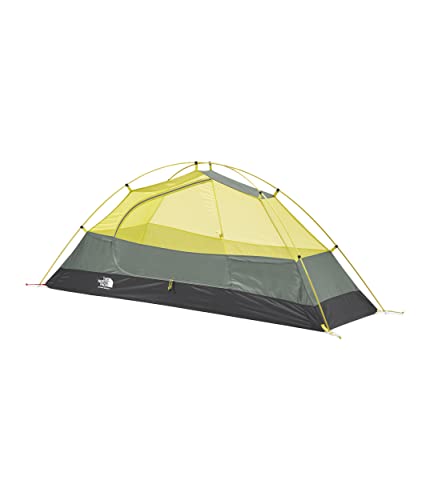
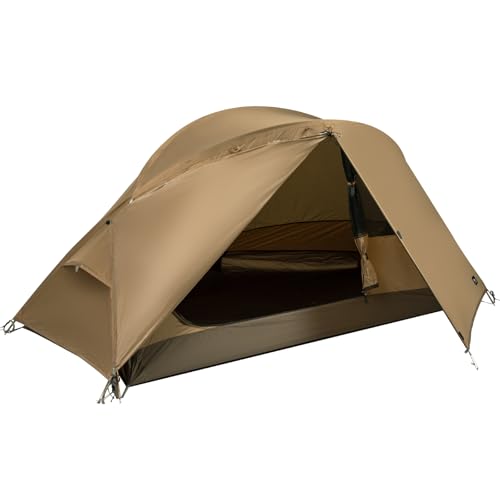
One-person backpacking tents may use different support and pitching designs. Freestanding models rely on their own pole structure; some campers may value that style, while the packed components and setup details still need to suit their plans. Trekking-pole-supported tents can make use of poles a hiker already carries, but that approach only fits if the required equipment and pitching style work for the buyer. Other non-freestanding designs depend on stakes and tension, so check what is needed to pitch the specific tent. These are design approaches, not guarantees of weight, comfort, or weather performance.
Choose around your trip priorities
- For a compact pack: Compare packed dimensions and the weight of all components you expect to carry, not just a headline figure.
- For more personal space: Check the interior dimensions against your sleeping pad and preferred room for belongings; consider whether the listed capacity matches your comfort expectations.
- For a familiar pitch style: Look for a support system you know how to use and confirm whether its required poles or stakes are included.
- For changing trip conditions: Give greater attention to the product’s stated use guidance, coverage, and ventilation information than to broad labels alone.
- For simpler gear organization: Compare entry position and vestibule layout, if specified, with the way you prefer to store items.
Mistakes and misunderstandings to avoid
- Assuming “one-person” means roomy: Check the actual floor shape and dimensions against your sleeping pad and comfort preferences.
- Comparing weight figures that include different components: Read what each figure counts, then compare the complete setup you expect to carry.
- Assuming every tent includes everything needed to pitch it: Confirm the included parts and whether the design depends on equipment you must supply.
- Choosing by a weather-related label alone: Review the product’s full use guidance and construction details for your intended conditions.
- Overlooking the entrance and gear layout: Think through where belongings will go and how you want to access the sleeping area.
Safety and suitability
Choose a tent whose stated use and setup requirements suit your trip, equipment, and expected conditions. Product descriptions can help explain intended use, but they do not guarantee protection in every situation. Follow the manufacturer’s guidance for the specific model and use appropriate judgment about whether it fits your plans.
Care, maintenance, and storage
Care requirements vary by tent. Before buying, check the manufacturer’s information about cleaning, drying, and storage so you know what upkeep the materials and components call for. Confirm whether a footprint or other accessory is included or offered separately if it matters to your plans; do not assume an accessory is compatible without checking the product information.
A practical buying process
- Write down your usual trip conditions, pack priorities, and the sleeping pad you plan to use.
- Set a comfort baseline by comparing interior dimensions and layout with your sleep system and gear habits.
- Narrow the options by pitch style, considering the support equipment each design requires.
- Compare weight and packed size using figures that account for the components you expect to carry.
- Read the individual product details for stated use, ventilation, included parts, care guidance, and any limitations relevant to your trip.
One-person backpacking tent checklist
- Do the interior dimensions suit your sleeping pad and preferred amount of room?
- Does the door and vestibule layout work for your gear and entry preferences?
- What components are included in the stated weight, and what else would you carry?
- Does the pitch style fit your available equipment and setup preferences?
- Does the product’s stated use suit the conditions you expect?
- Have you checked the care guidance and whether any important accessories are included?
Frequently asked questions
Is a one-person backpacking tent always suitable for one adult?
It is intended for one occupant, but comfort depends on the tent’s dimensions, shape, and the sleeper’s gear. Compare its interior measurements with your sleeping pad and consider whether you want room for belongings inside.
What is the difference between a freestanding and a trekking-pole tent?
A freestanding tent uses its own pole structure, while a trekking-pole tent uses trekking poles as part of its support. The right style depends on your equipment and setup preferences; verify the support requirements for the individual tent.
Should I prioritize low weight or more interior space?
That depends on your trips and comfort priorities. Compare complete carried weight with usable interior dimensions rather than choosing from a single headline figure.
Does a tent’s listed weight include stakes and poles?
Weight conventions can differ. Check the product details to see which components are included in the stated figure and compare tents on a consistent basis.
Do I need a footprint for a one-person backpacking tent?
That depends on the specific tent and the manufacturer’s guidance. Check whether a footprint is included, whether one is recommended, and whether any accessory is specified as suitable for that model.
How can I tell whether a solo tent suits the conditions I expect?
Review the individual tent’s stated use, construction details, and guidance rather than relying on its category or title alone. If the information does not address an important condition for your trip, do not assume the tent is suitable.
More One-Person Backpacking Tents
See all 48 One-Person Backpacking Tents →
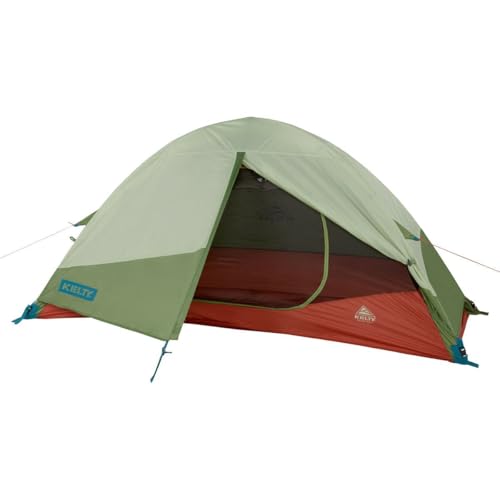


As an Amazon Associate we earn from qualifying purchases.