
Golf gloves are a small piece of gear, but they can make a noticeable difference in how a club feels in your hands. The right choice depends less on style and more on fit, comfort, grip preference, and the conditions you usually play in.
This guide focuses on the shopping decisions that matter most before you choose a glove. If you are replacing an old favorite, buying a first glove, or comparing options for different weather, it helps to know which details are worth checking and which are mainly a matter of preference.
Because glove materials and construction can vary from one product to another, it is useful to compare the individual listing carefully.
What should you look for in a golf glove?
The best starting point is fit. A golf glove should feel secure without pinching, bunching, or restricting your grip. From there, compare the material, breathability, closure style, and how the glove is intended to perform in warm, cool, or wet conditions. The most useful trade-off is usually feel versus durability: a softer glove may feel more natural, while a sturdier one may hold up better over repeated rounds.
| Feature | What It Means | Why It Matters | What to Check |
|---|---|---|---|
| Fit | How closely the glove matches your hand shape and finger length | Fit affects comfort, grip confidence, and whether the glove distracts you during a swing | Look for a snug but comfortable feel with no excess material at the fingertips or palm |
| Material | The main surface the glove is made from | Material influences feel, breathability, and how the glove may age with use | Check the product description for the material type and any comfort-focused details |
| Closure | The wrist fastening system | It helps the glove stay secure and can affect ease of putting it on and taking it off | Compare the closure style and whether it seems simple to adjust |
| Weather suitability | How the glove is intended to perform in heat, cold, or damp conditions | Conditions can change how much grip and comfort you get during a round | Check whether the glove is described for warm-weather play, rainy conditions, or general use |
| Durability | How well the glove may handle repeated wear | More frequent players often care about how quickly a glove may show wear | Look for construction details and compare the expected balance of softness and longevity |
Key decision criteria
Fit and hand shape
Fit is usually the most important factor because an uncomfortable glove is hard to ignore once you start playing. A glove that is too loose can feel bulky, while one that is too tight can limit comfort. Pay attention to finger length, palm snugness, and whether the wrist area closes cleanly without extra slack.
Grip and feel
Some golfers want a very direct, close-to-the-club feel, while others prefer a softer, more padded sensation. Neither is automatically better. The right choice depends on whether you value tactile feedback, comfort during long sessions, or a balance of both.
Breathability and comfort
If you play in warmer weather or tend to perspire, breathability can matter more than you expect. A glove that manages heat and moisture well may feel more comfortable over a full round. If you only play occasionally or in mild conditions, this may be less important than overall fit.
Closure and on-course convenience
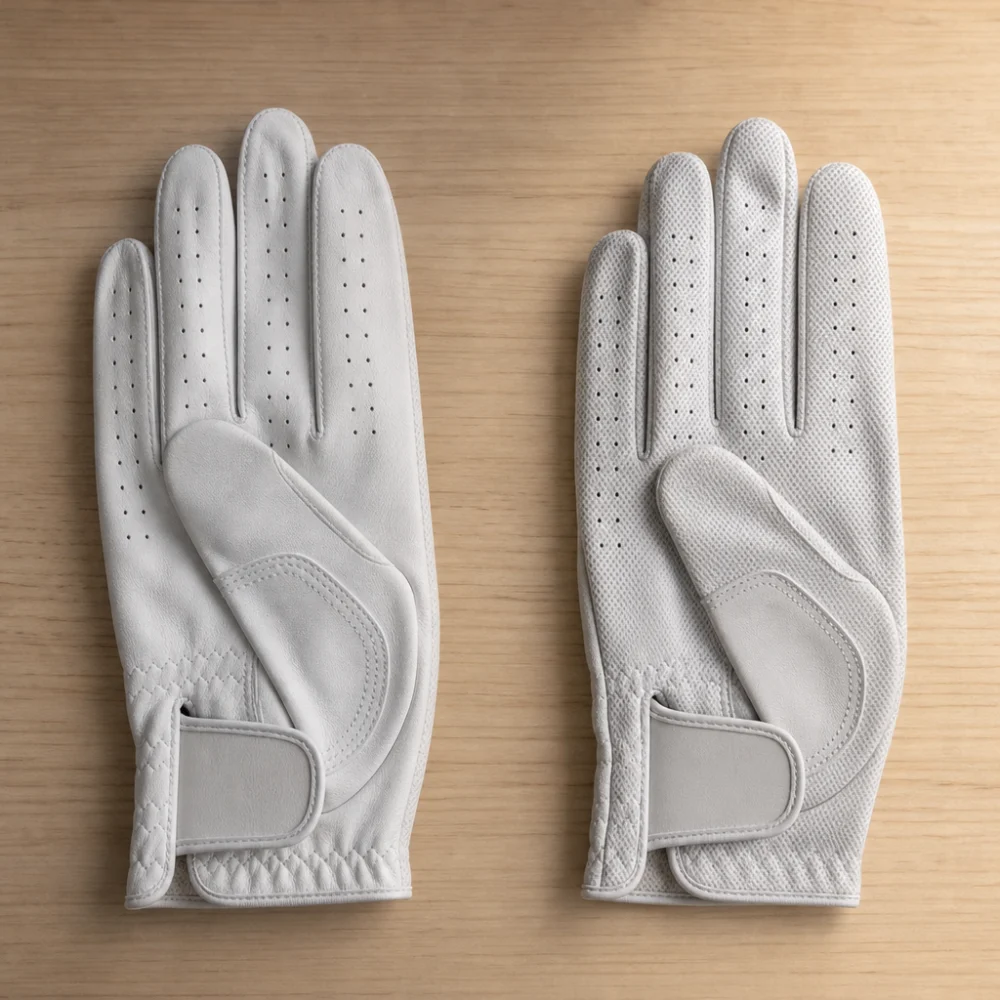
The wrist closure is a small detail that can still affect daily use. A simple closure can make the glove easier to adjust, remove, and put back on between shots. Compare how secure the fastening looks and whether it seems likely to stay comfortable during play.
Common glove types and what they are good for
Many golf gloves are similar in basic purpose, but shoppers still run into meaningful differences in how they are built and used.
- Everyday all-purpose gloves: A practical choice for general play when you want a balanced feel and simple selection process.
- Comfort-focused gloves: Better for buyers who care most about a softer hand feel or reduced distraction during a round.
- Weather-oriented gloves: Worth considering if your playing conditions are often warm, humid, or damp.
Specifications vary by model, so always check the individual product page before buying.
Which glove features matter most for different buyers?
| Buyer need | What to prioritize | Why |
|---|---|---|
| First-time buyer | Fit, ease of use, and clear product information | A simple, comfortable starting point makes it easier to judge what you like |
| Frequent player | Durability, fit consistency, and comfort over time | Regular use makes wear, fit retention, and long-session comfort more important |
| Warm-weather player | Breathability and moisture comfort | Heat and sweat can affect how secure and pleasant the glove feels |
| Occasional golfer | Basic fit and straightforward value | You may not need specialty features if you play only now and then |
| Gift buyer | General fit guidance and easy-to-understand sizing details | A glove is easier to gift when sizing and intended use are clearly described |
Common mistakes to avoid
- Choosing by appearance first: A glove that looks right but fits poorly will usually disappoint faster than a plain glove that fits well.
- Ignoring the intended conditions: A glove made for one type of weather may not feel the same in another.
- Assuming all gloves fit the same way: Small differences in cut and closure can change comfort noticeably.
- Overlooking replacement needs: If you play often, durability may matter more than a very soft initial feel.
Safety and suitability notes
Golf gloves are generally a comfort-and-fit purchase rather than a highly technical one, but it still helps to check the intended use. Make sure the glove suits the hand it is meant for, the conditions you usually play in, and any comfort preferences that matter to you. If sizing is unclear, compare the product details carefully before buying.
Maintenance and storage considerations
Basic care can affect how long a golf glove stays comfortable. If a glove gets damp from sweat or weather, letting it dry properly before storing it can help maintain its shape and feel. Frequent players may also want to think about having more than one glove so wear is spread out across rounds.
How long a glove lasts depends on use, conditions, and construction, so it is better to think in terms of wear pattern than a fixed lifespan. If you rotate gloves or store them carefully, they may stay usable longer than one that is left crumpled in a bag.
How to compare golf gloves efficiently
- Start with your main use: occasional play, frequent rounds, or weather-specific needs.
- Check fit information first, since comfort is the easiest factor to notice on the course.
- Compare the material and closure for feel, breathability, and ease of use.
- Think about durability versus softness based on how often you play.
- Read the individual product page closely before deciding.
Summary buyer checklist
- Does the glove fit snugly without feeling restrictive?
- Does the material suit the feel you want in your hands?
- Is it suitable for the weather you usually play in?
- Is the closure easy to adjust and comfortable at the wrist?
- Does the product information clearly match your intended use?
Frequently asked questions
How should a golf glove fit?
A golf glove should feel snug and secure without pinching or leaving excess material at the fingertips. Fit matters because a glove that shifts or bunches can be distracting during play. If sizing is unclear, compare the product page details carefully before buying.
Do all golfers need a glove?
Not necessarily. Some players like the added grip and consistency, while others prefer to play without one. The decision usually comes down to comfort, sweat management, and personal feel rather than a universal rule.
Are softer gloves always better?
Not always. Softer gloves may feel more comfortable at first, but some buyers care more about durability or a firmer feel on the club. The right choice depends on which trade-off matters more to you.
What matters most for warm-weather play?
Breathability and comfort tend to matter most when temperatures rise. A glove that handles moisture better may feel more secure and less distracting during a round. If you play mostly in heat, that is worth prioritizing over extra features you may not need.
How do I compare gloves if I am buying a gift?
Focus on clear sizing information, basic fit guidance, and general comfort features. Gift buyers usually benefit from simple product details rather than overly specialized designs. When in doubt, choose a versatile style with broad appeal.
What is the easiest way to narrow down options?
Start with fit, then compare the material, closure, and intended conditions. That order helps you avoid getting distracted by details that are less important than comfort and usability. It also makes it easier to compare a few options side by side.