

Spinnerbaits are a familiar choice for anglers who want a lure that can cover water and create flash, vibration, and movement at the same time. They are often considered for reaction-style presentations, but the right choice still depends on water conditions, cover, and how you plan to retrieve the lure.
If you are comparing spinnerbaits for the first time, it helps to focus on how the lure behaves rather than on one single feature. Small changes in blade shape, skirt profile, wire style, and weight can change how the lure tracks, how visible it is, and how easily it can be fished through weeds or other cover.
This guide explains the main buying decisions in plain language so you can narrow the category without guessing. It is meant to help you compare options on individual product pages and choose a spinnerbait that fits your fishing style.
Compare Spinnerbaits


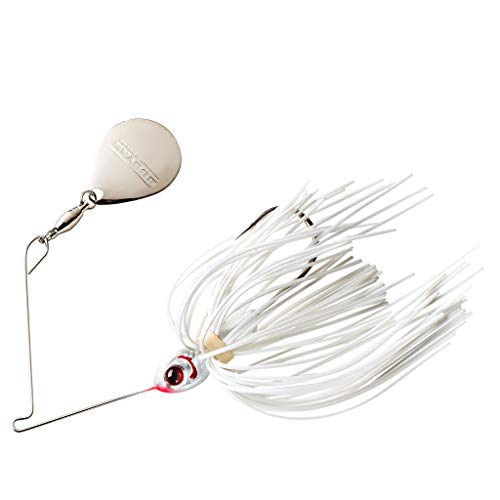


As an Amazon Associate we earn from qualifying purchases.
What should you look for in a spinnerbait?
The best starting point is to match the lure to the water and cover you expect to fish. In general, buyers are comparing how much flash or vibration they want, how weedless the lure needs to be, and whether they prefer a faster or slower retrieve. Specifications vary by model, so always check the individual product page before buying.
A useful rule is to decide first where you plan to throw it, then look at the blade, body, and wire design. That approach keeps the decision practical and makes it easier to compare very similar-looking lures.
| Feature | What It Means | Why It Matters | What To Check |
|---|---|---|---|
| Blade style | The shape and arrangement of the spinning blades | Influences flash, vibration, and how the lure moves through the water | See whether the lure is built for more flash, more vibration, or a balanced presentation |
| Weight | How heavy the lure is | Affects casting, depth, and the speed at which it can be retrieved | Check whether the weight suits the water depth and the casting distance you want |
| Skirt profile | The bulk and movement of the skirt material | Changes the lure’s silhouette and the amount of visual presence it creates | Look for a profile that matches the type of forage and the clarity of the water |
| Wire frame | The metal arm that holds the blades and skirt | Can affect durability, vibration transmission, and how the lure tracks | Review whether the frame appears suited to lighter presentations or tougher cover |
| Hook setup | The size and position of the hook area | Helps determine how well the lure can convert strikes into hookups | Check the hook arrangement and whether it seems compatible with the intended use |
Key decision criteria
Water clarity and visibility
Clear water and stained water can call for different visual profiles. In clearer conditions, many anglers prefer a lure that creates enough flash to stand out without looking overly bulky. In murkier water, vibration and a more noticeable profile can matter more than subtle detail.
Cover and retrieve path
Spinnerbaits are often chosen because they can move through weeds, brush, and other cover more cleanly than some other lure styles. If you plan to fish around dense cover, pay attention to how compact the lure looks and how the wire is shaped. A more open presentation may be easier to retrieve in clean water, while a tighter profile can be more forgiving around vegetation.
Blade behavior
Blade choice is one of the biggest reasons spinnerbaits feel different from one another. Some setups emphasize flash, while others create more thump or resistance in the water. If you want a lure that can be fished faster, compare how much drag the blades appear to create; if you want a slower presentation, consider whether the lure still seems stable at a relaxed retrieve.
Weight and casting comfort
Heavier lures can be easier to cast farther and may stay in contact with the water better, while lighter ones can be a better fit for slower, shallower presentations. The right choice depends on the water depth, your rod setup, and how much feel you want during the retrieve. For many shoppers, this is less about a universal “best” and more about the speed and distance they expect to use.
Hook and trailer readiness
Some buyers focus on the body of the spinnerbait and overlook the hook area or how a trailer might fit. If you like to customize your lure with a soft plastic trailer, check that the overall layout looks suitable for that use. If you prefer a simpler setup, a more streamlined design may be easier to keep consistent.
Common spinnerbait types and variants
Spinnerbaits are usually compared by presentation style rather than by a long list of separate product families. The most useful distinctions are whether a lure is built for more flash, more vibration, more compact movement, or a broader silhouette. Those differences can change how the lure performs in different water conditions and around different cover.
For many buyers, the main decision is not “which spinnerbait exists?” but “which spinnerbait shape and action matches the water I fish most often?” That perspective keeps the category manageable and prevents overcomplicating a fairly focused lure choice.
Which spinnerbait suits different buyers?
| Buyer need | What to prioritize | Why it helps |
|---|---|---|
| Fishing around weeds or other cover | Compact profile and a shape that looks easy to deflect | Can make the lure easier to work through cover without hanging up as often |
| Covering water quickly | A presentation that creates noticeable flash or vibration | Helps the lure stand out during moving retrieves |
| Working clearer water | A more balanced, less bulky-looking profile | Can feel more natural when visibility is better |
| Starting out with spinnerbaits | A straightforward all-around design | Usually easier to compare and use before you start narrowing into a specialized pattern |
| Customizing lure presentation | A design that appears compatible with trailers and different retrieve speeds | Makes it easier to adapt the lure to changing conditions |
Common mistakes and misunderstandings
- Choosing only by blade appearance: the way a spinnerbait moves matters more than how dramatic it looks in the package.
- Ignoring water conditions: a lure that seems attractive in one type of water may be less useful in another.
- Overlooking weight: weight affects casting, depth, and retrieve speed, so it is a practical buying factor, not a minor detail.
- Assuming all spinnerbaits fish the same: small design changes can make them feel very different on the water.
- Forgetting about cover: a lure that is easy to cast may not be the easiest to fish where you actually plan to use it.
Safety and suitability caveats
Spinnerbaits are straightforward tackle items, but suitability still matters. Make sure the lure choice fits the waters you fish, the gear you use, and the type of presentation you want. If you are buying for someone else, it helps to know whether they fish open water, vegetation, or mixed cover more often.
Because lure design varies from model to model, the product page is the right place to confirm details such as size, weight, and presentation style. That helps avoid picking a spinnerbait that looks right in a photo but behaves differently than you expected.
Care, storage, and ownership considerations
Spinnerbaits are generally simple to own, but they still benefit from basic care. Keep them dry after use, store them so the blades and wire are not bent out of shape, and separate them from other tackle when possible so hooks do not tangle. If you fish often, it is also worth checking whether the lure appears easy to keep organized and ready to grab.
Over time, bent wire, worn skirts, and dull hooks can affect how a spinnerbait looks and performs. That does not mean every lure needs frequent replacement, but it does mean buyers should think about durability and ease of upkeep when comparing options.
How to compare spinnerbaits efficiently
- Start with the water you fish most often and the cover you expect to encounter.
- Decide whether you want more flash, more vibration, or a more balanced presentation.
- Compare weight, blade style, and overall profile before looking at details that matter less to your use.
- Check whether the lure looks suitable for your retrieve speed and any trailer you plan to add.
- Review the individual product page for the final specifications that confirm size and setup.
Spinnerbait buying checklist
- Match the lure to the water clarity and cover you fish most often.
- Compare blade style for flash, vibration, and retrieve feel.
- Check weight for casting distance and presentation depth.
- Look at skirt profile and overall bulk for the lure’s visible presence.
- Confirm that the hook area and body layout fit your intended use.
- Review the individual product page for model-specific details before buying.
Frequently asked questions
Are spinnerbaits good for beginners?
They can be, especially if you want a lure that is easy to cast and compare. The main learning step is understanding how retrieve speed and blade style affect the lure’s action. If you keep the first purchase simple, spinnerbaits are usually easy to evaluate.
What matters more: blade style or weight?
Both matter, but they affect different parts of the decision. Blade style changes the lure’s action and feel in the water, while weight affects casting and how the lure rides at different speeds. If you are unsure, start by matching weight to your intended fishing conditions and then refine the blade choice.
Do spinnerbaits work better in clear or murky water?
They can be useful in both, but the presentation you choose may differ. In clearer water, a more balanced look may be appealing, while in stained water a stronger flash or vibration can help the lure stand out. The best fit depends on how you fish and how much visibility the water has.
Should I choose a spinnerbait with a trailer?
Not every buyer needs one, but a trailer can change the lure’s profile and movement. If you like to fine-tune presentation, it is helpful to look for a design that appears easy to pair with one. If you prefer simplicity, a cleaner setup may be enough.
Can one spinnerbait handle every situation?
Usually not. Spinnerbaits are versatile, but different weights and blade styles are better suited to different water conditions and retrieve styles. It is more realistic to choose one that fits your most common fishing scenario rather than expecting one lure to do everything equally well.
What should I check before buying online?
Look at the lure’s weight, blade style, overall profile, and any notes about intended presentation. Those are the most practical details for comparing similar options. Specifications vary by model, so always check the individual product page before buying.
How blade shape and arrangement change the presentation
Blade labels can make comparisons more useful than appearance alone. As a general guide, a willow-style blade is narrow and often produces a quicker, more flashing action with less resistance, while a rounder Colorado-style blade tends to create more resistance and a stronger thump. Indiana-style blades fall between those shapes, and tandem setups combine blades to balance their effects. These are tendencies, not guarantees: size, weight, spacing, and the rest of the lure design also matter.
When comparing options, look for the blade shape and arrangement in the product details, then consider whether you want a less resistant retrieve or a more pronounced feel in the water. If the listing does not make the configuration clear, avoid assuming it from a product photo alone.
More Spinnerbaits
See all 117 Spinnerbaits →
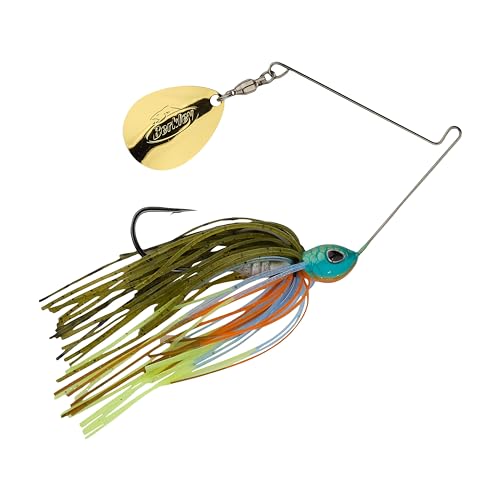


As an Amazon Associate we earn from qualifying purchases.