

Fly reels are part of a fly fishing setup, and the right choice depends on how you fish, what line you plan to use, and how much control you want when a fish runs. For many buyers, the reel is less about elaborate features and more about matching the rod, line, and fishing environment well.
If you are comparing fly reels for the first time, it helps to focus on fit, drag behavior, and overall simplicity. Some anglers want a straightforward reel for light freshwater use, while others prefer a reel that adds more control and durability for bigger fish or tougher conditions.
Compare Fly Reels


As an Amazon Associate we earn from qualifying purchases.
What should you look for in a fly reel?
The best starting point is a reel that matches your rod and line weight, then narrows to the drag style and build you actually need. A lighter reel can feel better on a matched setup, while a sturdier reel may be more appropriate when fish run harder or the environment is harsher. Specifications vary by model, so always check the individual product page before buying.
| Feature | What It Means | Why It Matters | What To Check |
|---|---|---|---|
| Line and rod match | How well the reel fits the rod and fly line size you plan to use | Good matching helps the setup feel balanced and function as intended | Reel size, line weight guidance, and any stated compatibility notes |
| Drag style | The system that adds resistance when line is pulled | Drag affects how smoothly fish can take line and how much control you have | Whether the reel uses a simple or more adjustable drag system |
| Weight and balance | How heavy the reel feels on the rod | A reel that balances the rod well is often more comfortable to use | Reel weight if listed, plus how it pairs with your rod length and line class |
| Build and finish | The materials and exterior finish used in the reel | These can affect feel, resistance to wear, and suitability for repeated use | Material descriptions, corrosion-resistance notes, and care guidance |
| Spool design | How the line is held and managed on the reel | Spool access can affect line changes and general convenience | Whether the spool is easy to remove and whether backing or line setup is supported |
Key decision criteria
Match the reel to your fishing setup
Fly reels are commonly chosen to complement the rod rather than dominate it. That means the reel size and line rating should make sense for the line and rod weight you intend to use. A mismatch can make the outfit feel awkward, even if the reel itself is well made.
Choose a drag level that fits your use
Drag is one of the most important differences among fly reels. A simpler drag may be enough for lighter fishing, while a more adjustable system can help when fish make stronger runs or when you want finer control. The trade-off is usually simplicity versus added adjustment.
Consider durability and maintenance needs
Some reels are aimed at easygoing freshwater use, while others are chosen because they seem better suited to frequent use or harsher conditions. If you fish often, think about how easily the reel can be cleaned and how exposed it may be to water, grit, or storage conditions. Specifications vary by model, so always check the individual product page before buying.
Think about balance and handling
Even a strong reel may not feel right if it makes the rod tip-heavy or tiring to hold. Balance matters most when you expect to cast for long periods or carry the rod for extended outings. A comfortable setup is often easier to enjoy than one that looks impressive on paper.
Common fly reel types and variants
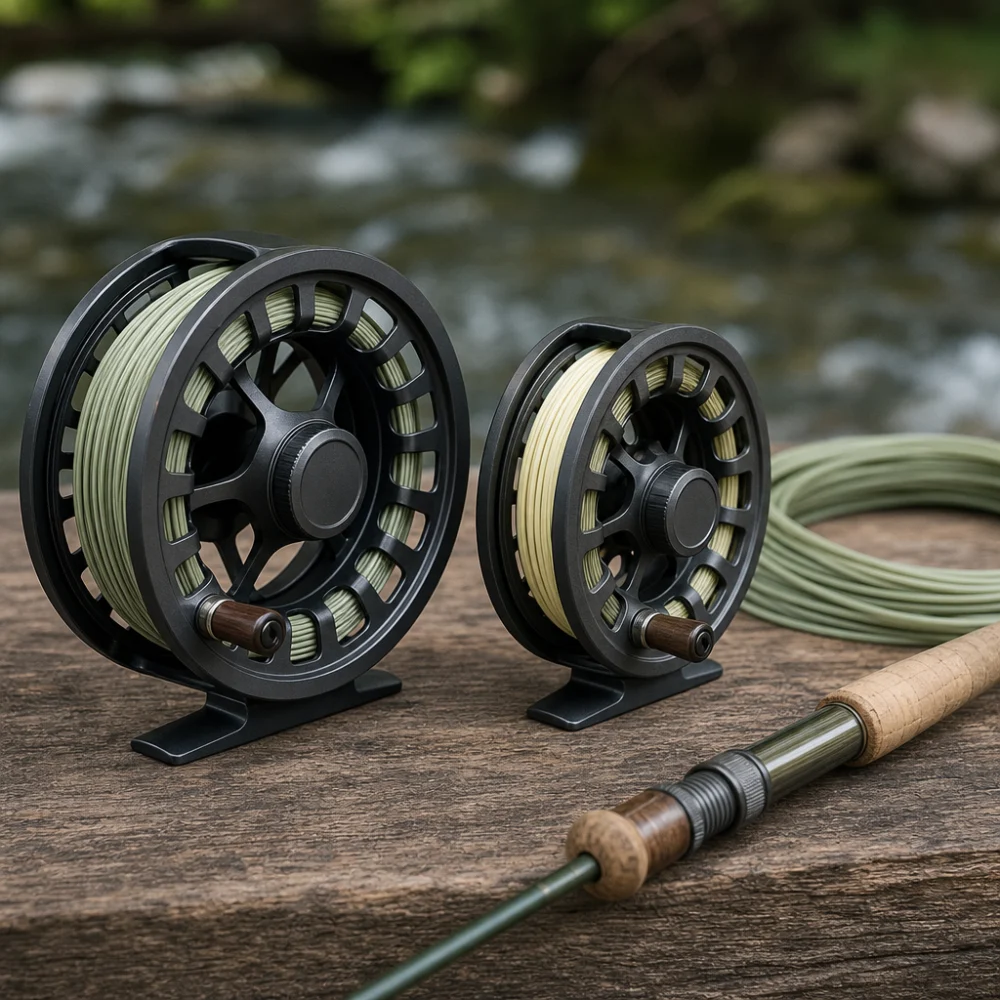
Within fly reels, the main differences are usually about intended use and the level of drag control rather than dramatic design changes. Some reels are kept simple for light use and easy handling, while others are built with more control in mind.
- Simple reels: Often suited to anglers who want a straightforward setup and fewer adjustments.
- Drag-focused reels: Better for buyers who want smoother resistance and more control during a fight.
- More rugged reels: Can make sense if you expect heavier use or more demanding conditions.
Which fly reel suits which buyer?
| Buyer need | What to prioritize | Why it helps |
|---|---|---|
| Beginner or occasional angler | Simple setup, clear compatibility, easy handling | Makes the first purchase easier to understand and use |
| Freshwater angler | Balanced weight, modest drag needs, straightforward care | Often enough for typical lighter-use fishing |
| Frequent angler | Comfort, durability, and a drag system that feels controlled | Better supports repeated use and long sessions |
| Gift buyer | Clear size guidance and low-confusion product details | Reduces the risk of choosing the wrong fit |
Common mistakes to avoid
- Choosing by looks alone: A reel can seem appealing but still be the wrong match for the rod or line.
- Ignoring reel size guidance: Size and line weight matter more than appearance or general style.
- Overbuying features: More adjustment or complexity is not always better if you only need a simple setup.
- Skipping care considerations: If you fish regularly, maintenance and cleaning convenience can matter a lot over time.
Safety and suitability caveats
Fly reels are generally a purchase decision about fit, comfort, and intended use rather than a highly technical one, but the details still matter. Make sure the reel is suitable for the environment and fishing style you have in mind, and check any compatibility guidance on the product page before buying. If you fish in saltwater or rough conditions, pay extra attention to care instructions and material notes.
Maintenance, storage, and lifespan considerations
A fly reel usually lasts longer when it is kept clean, dried after use, and stored carefully between outings. If you fish in wet or gritty conditions, the reel may need a little more attention than a casual freshwater setup. Think about whether the reel seems easy to clean and whether replacement parts or routine servicing are likely to matter for your use.
How to compare fly reels efficiently
- Start with your rod and line weight so the reel category is narrowed to the right size range.
- Decide whether a simple or more adjustable drag makes more sense for the fish you expect to target.
- Compare comfort, balance, and handling rather than focusing only on appearance.
- Check build notes, care guidance, and any compatibility details on the individual product page.
- Choose the option that fits your actual use, not the one with the most features.
Fly reel buyer checklist
- Does the reel size match your rod and line weight?
- Is the drag style appropriate for the kind of fishing you do?
- Will the reel feel balanced and comfortable on your rod?
- Are the materials and finish suitable for your fishing environment?
- Is the reel easy to clean, store, and maintain for your level of use?
- Have you checked the individual product page for compatibility details?
Frequently asked questions
How do I know what size fly reel to buy?
Start with the rod and line weight you plan to use, since fly reels are usually chosen to match that setup. A reel that is too small or too large can make the outfit feel unbalanced. The product page should be your main reference for the recommended size range.
Does drag matter on a fly reel?
Yes, because drag affects how smoothly line comes off the reel under pressure. For lighter use, a simple system may be enough, but more control can be helpful when fish run harder or conditions are more demanding.
Are fly reels all about the same for beginners?
No, because ease of use, size guidance, and drag style can vary a lot. Beginners often benefit from a reel that is easy to match with a rod and does not add unnecessary complexity.
Should I choose a heavier reel for durability?
Not necessarily. Durability and weight do not always move together, and a heavier reel can make the rod feel less comfortable. It is better to look for a reel that seems durable enough for your use while still balancing well on the rod.
What matters most for occasional fishing?
For occasional use, clear sizing, comfort, and simple care are often more important than advanced features. A reel that is easy to understand and fits your setup well is usually the safer choice.
Do I need to worry about maintenance?
It depends on how and where you fish, but basic cleaning and storage usually matter. If the reel will see frequent use, wet conditions, or grit, maintenance becomes more important in the buying decision.
More Fly Reels
See all 91 Fly Reels →


As an Amazon Associate we earn from qualifying purchases.