
Alpine rope systems are for climbers and mountaineers who need a rope setup suited to long approaches, changing weather, and variable terrain. The right choice depends on how you plan to use the rope, whether you need more versatility or more efficiency, and how much handling preference matters in real conditions.
Because rope choice can affect feel, weight, and use-case fit, it helps to compare the basics before narrowing products. This guide focuses on practical buying questions, not on one-size-fits-all recommendations.
What should you look for in an alpine rope system?
Start with the intended use, then compare rope construction, handling, durability, and how the system fits the rest of your gear. A rope that feels ideal for one style of alpine travel may be less suitable for another, especially when weight, wet conditions, or frequent use are part of the picture. The best starting point is the rope format that matches your terrain and your margin for convenience versus performance.
Specifications vary by model, so always check the individual product page before buying.
| Feature | What It Means | Why It Matters | What To Check |
|---|---|---|---|
| Rope type | The basic rope format and how it is intended to be used | It affects versatility, handling, and the situations the rope is best suited for | Match the rope type to your route style and intended use |
| Diameter and feel | How thick the rope is and how it handles in hand and through gear | It can influence grip, packability, and how confidently the rope is managed | Look for a balance between easy handling and the size you are comfortable carrying |
| Weight and packability | How much the rope adds to your load and how neatly it stows | Important for long approaches and fast-moving alpine days | Check whether lighter options trade off durability or hand feel |
| Sheath and durability focus | How the rope is built to resist wear from regular use | Durability matters when the rope will see rough rock, snow, or repeated handling | Review the construction details and consider where abrasion is likely |
| Dry or wet-weather treatment | Whether the rope is intended to better handle moisture | Useful when snow, damp rock, or changing weather are likely | Confirm whether the product page describes any treatment and what it is meant to address |
| Length and system fit | The rope length and whether it fits your broader kit and planned use | Length affects versatility, management, and how the system integrates with your style of climbing | Compare length against your route needs and the rest of your rope-management setup |
Key decision criteria explained
Intended use
The most important question is not which rope sounds strongest, but what kind of alpine use you expect. A rope for technical days in mixed conditions may call for different characteristics than one used mainly for lighter travel or general mountain movement. Narrow the field by asking where the rope will spend most of its time.
Handling versus ruggedness
Some buyers want a rope that feels easy to manage and packs efficiently, while others care more about a tougher build that can better tolerate wear. Those goals can pull in different directions. If you expect frequent abrasion or heavy use, durability may matter more than saving a little bulk; if you are counting every ounce, handling trade-offs become more important.
Moisture exposure
Alpine conditions can include snow, ice, and wet surfaces, so moisture resistance is often part of the buying decision. Not every rope system addresses this the same way, and treatment details can vary. Check whether moisture handling is relevant to your typical conditions instead of assuming all alpine ropes are designed the same way.
System compatibility
A rope is only one part of the setup, so it should make sense with the rest of your gear, your preferred style of movement, and how you manage rope in the field. Compatibility here is broader than hardware fit; it also includes whether the rope’s behavior matches your experience level and the type of outing you are planning.
Product types and variants
Within alpine rope systems, the main differences usually come down to how the rope is optimized for weight, durability, handling, and conditions rather than to dramatically different product families. That means the comparison is often less about finding a totally different category and more about finding the right balance for your use.
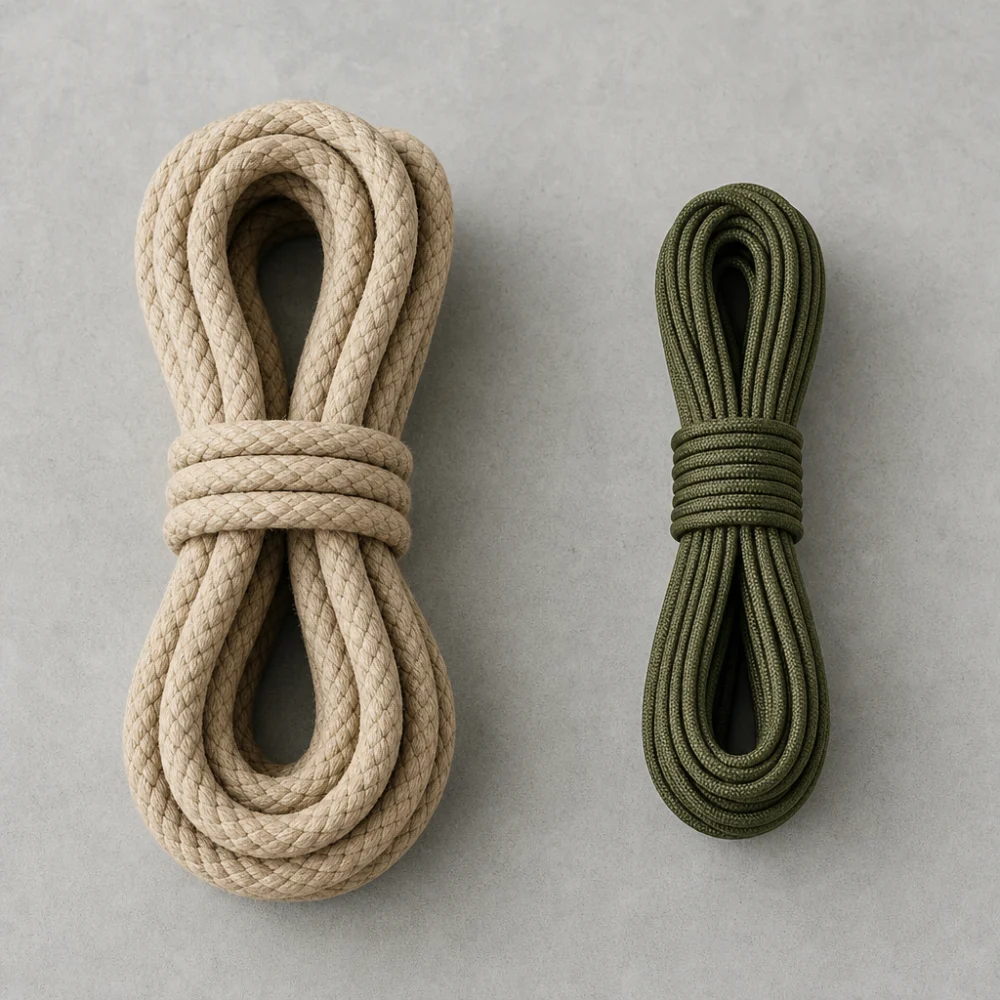
- Lightweight-oriented options: May suit buyers who prioritize easier carrying and compact packing, but they can involve trade-offs in toughness or feel.
- Durability-oriented options: May suit frequent use and rougher environments, but they can feel heavier or less compact.
- Moisture-conscious options: May suit snowy or damp environments, but buyers should still check exactly what the product page says about treatment and intended use.
Which setup fits your needs?
| Buyer need | What to prioritize | Why |
|---|---|---|
| Long approaches | Lower carry burden and efficient packability | Comfort matters more when the rope has to be carried for a long time |
| Frequent use | Durability and wear resistance | Regular handling and rough surfaces can make toughness more important |
| Variable weather | Moisture-aware construction details | Snow and damp conditions can affect how a rope behaves and stores |
| Newer buyers | Straightforward handling and clear product-page information | Simple, well-documented choices reduce guesswork |
| Experienced buyers refining a system | More exact trade-off between weight, handling, and ruggedness | Small differences matter more when the rest of the system is already defined |
Common mistakes and misunderstandings
- Choosing only by weight: Lighter is not automatically better if the rope will see heavy wear or repeated use.
- Ignoring weather exposure: Alpine conditions can change quickly, so moisture-related details may matter more than buyers first assume.
- Assuming all ropes feel the same: Handling can vary enough to affect confidence and convenience, especially for newer users.
- Overlooking the rest of the system: The rope should fit your overall approach, not be judged in isolation.
Safety and suitability caveats
Alpine rope systems are specialized gear, so suitability depends on the exact activity, environment, and the rest of the equipment you plan to use. Do not assume a rope is appropriate just because it appears in an alpine category. Check the individual product information carefully and make sure the rope matches the way you actually climb or move in the mountains.
Maintenance, storage, and lifespan considerations
Ropes and rope systems usually benefit from thoughtful storage, dry conditions, and general care that avoids unnecessary wear. Buyers should consider whether they are willing to manage the rope carefully after wet or dirty outings, since handling and storage habits can affect long-term value. If a product has special care notes, treat those as part of the buying decision rather than an afterthought.
How to compare options efficiently
- Decide what kind of alpine use you need the rope for.
- Choose the rope characteristics that matter most: weight, handling, durability, or moisture focus.
- Compare the product-page details side by side.
- Note the trade-offs instead of looking for one rope to do everything equally well.
- Check the individual product page before buying.
Summary buyer decision checklist
- Does the rope system match your intended alpine use?
- Have you compared weight, handling, and durability trade-offs?
- Is moisture exposure relevant to your conditions?
- Does the length and format fit your broader setup?
- Have you checked the individual product page for model-specific details?
Frequently asked questions
What is an alpine rope system used for?
It is used by climbers and mountaineers who need a rope setup suited to mountain travel and related conditions. The exact role depends on the product and the type of outing, so it helps to confirm the intended use on the product page.
How do I choose between lighter and more durable options?
Choose lighter options when carrying comfort and compact packing are the main priorities. Choose more durable options when the rope is likely to see more wear or rougher use. The right answer depends on how often and where you expect to use it.
Does moisture resistance matter?
It can matter a lot in snowy or damp alpine conditions, but not every buyer needs the same level of emphasis. Look for product-page details that explain what, if anything, the rope is designed to help with.
Should beginners focus on handling first?
Often, yes. Clear handling can make gear easier to live with, especially if you are still learning what feels comfortable. That said, beginners should still balance handling against the actual conditions they expect to face.
Can one rope system suit every alpine outing?
Usually not perfectly. Alpine use can vary a lot, so buyers often need to prioritize the traits that matter most for their typical routes and conditions.
What should I compare on the product page before buying?
Look at the intended use, the rope’s construction details, any moisture-related claims, and how the product describes its handling or durability focus. Those details tell you much more than a category name alone.