
Arrow shafts are the base component of an arrow, and the right choice depends on how you shoot, what bow you use, and the kind of consistency you want. Because shafts are only one part of the finished arrow, it helps to think about them as part of a system rather than a standalone item.
If you are replacing worn shafts, building arrows from scratch, or narrowing options before choosing fletchings and points, the main job is to match the shaft to your setup and intended use. The most useful decisions usually come down to material, stiffness, length, and overall tuning flexibility.
Specifications vary by model, so always check the individual product page before buying.
What matters most when choosing arrow shafts?
Start with the shaft that fits your bow setup and your goal for the arrow. A shaft that is well matched to your draw weight, arrow length, and intended use is usually more useful than one chosen only for appearance or a single feature. The main trade-off is often between consistency, durability, and the amount of tuning you want to do.
For many buyers, the best starting point is to confirm the shaft material and the spine range that suits the rest of the build. After that, compare length options, straightness or consistency claims if they are provided, and whether the shaft is intended for target practice, casual shooting, or other archery use.
| Feature | What It Means | Why It Matters | What To Check |
|---|---|---|---|
| Material | The shaft construction type. | Material affects feel, durability, and how the shaft fits your goals. | Confirm the material on the product page and decide whether you want a lighter or more traditional feel. |
| Spine | How much the shaft flexes. | Spine is one of the biggest factors in arrow behavior and fit. | Match the spine to your bow setup and intended arrow length. |
| Length | The usable shaft length before final assembly. | Length affects fit, tuning, and how much trimming may be possible. | Check the listed length and whether the shaft can be cut or adjusted for your build. |
| Straightness or consistency | How uniform the shaft is from one piece to another. | More uniform shafts are often easier to build and compare. | Look for any stated consistency details on the individual listing. |
| Intended use | The kind of archery the shaft is meant for. | A shaft suited to one style of shooting may not be ideal for another. | Match the shaft to target practice, general shooting, or another stated use. |
Key decision criteria explained
Material
Arrow shafts may be offered in different materials, and each can feel a little different in use. Some buyers care most about a traditional look, while others want a more modern build with predictable behavior. The trade-off is usually between the feel you prefer and the qualities you want from the finished arrow.
When comparing materials, focus on what the listing says the shaft is designed for rather than assuming one material is automatically better for every archer.
Spine and stiffness
Spine is one of the most important numbers in arrow selection because it helps determine how the arrow flexes under launch. If the shaft is too stiff or too flexible for the setup, tuning may be harder and consistency may suffer. The main question is whether the shaft spine matches the bow, point weight, and arrow length you plan to use.
Length and build flexibility
Some buyers want shafts that give more room for trimming or tuning, while others want a closer starting point for a specific setup. Longer shafts can offer flexibility, but only if the product is meant to be adjusted. Shorter or fixed-length options may suit buyers who already know their target setup.
Consistency and selection quality
In a category like this, small differences between shafts can matter when you are building a set. If the product page provides consistency or straightness information, use it as part of your comparison. If it does not, focus on the basic build details and avoid assuming performance beyond what is stated.
Product types and common variants
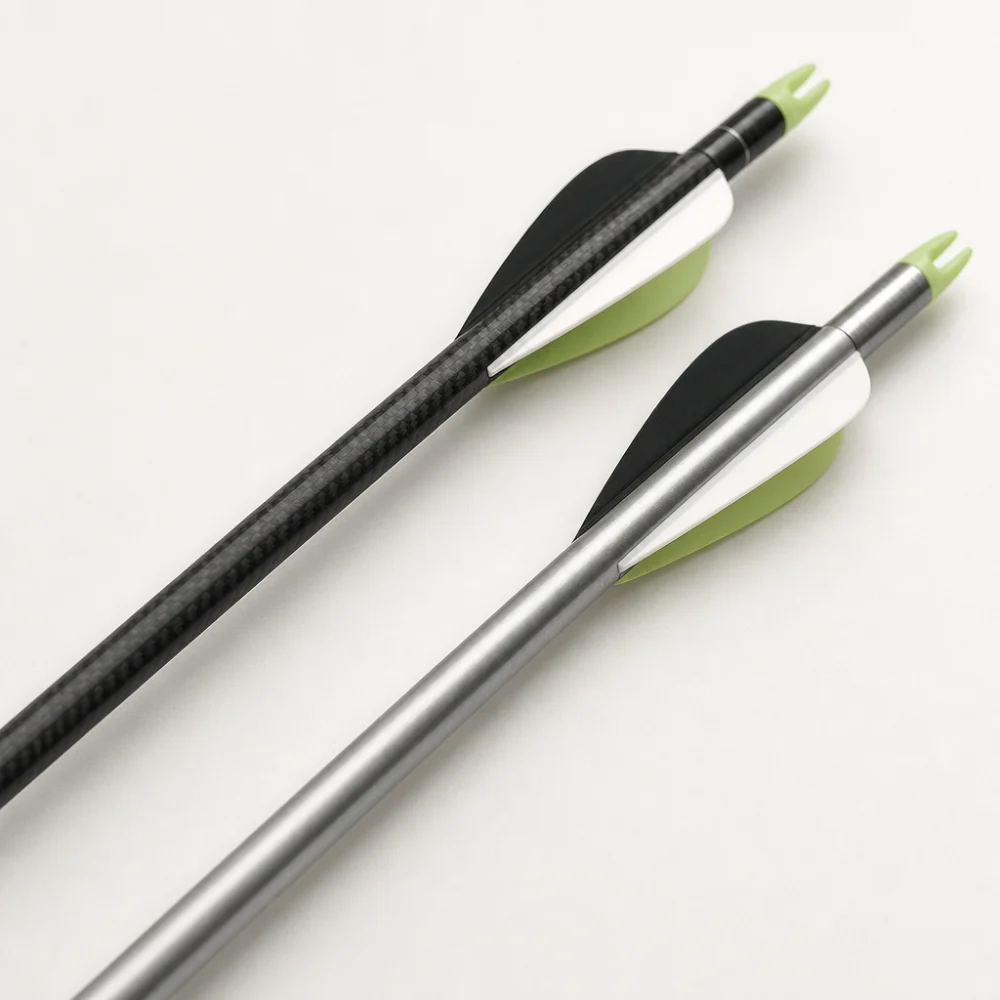
Arrow shafts are often compared by material and by how they are intended to be used. That makes the category simpler than some archery purchases, but the details still matter because the shaft is the foundation of the finished arrow.
- General-purpose shafts: Useful for buyers who want a straightforward starting point and plan to complete the arrow with other components.
- Target-oriented shafts: Better for archers focused on practice or repeatable shooting, where consistency matters more than appearance alone.
- Traditional-style shafts: May suit buyers who want a more classic look or feel, especially when building a specific style of arrow.
Specifications vary by model, so always check the individual product page before buying.
Which shaft choice fits your situation?
| Buyer need | What to prioritize | Why it helps |
|---|---|---|
| First-time arrow builder | Clear material, spine, and length details | Makes it easier to choose a shaft that can be matched to the rest of the build. |
| Target practice focus | Consistency and repeatable behavior | Helps reduce variation between arrows in the same set. |
| Replacement purchase | Compatibility with the existing setup | Helps the new shafts fit the bow and the rest of the arrow components. |
| Traditional archery interest | Construction style and intended feel | Lets you choose a shaft that suits the look and handling you want. |
Common mistakes and misunderstandings
- Choosing by appearance alone: A shaft can look right and still be a poor fit for the setup. Start with the fit first, then consider style.
- Ignoring spine: This is one of the easiest details to overlook and one of the most important for fit.
- Assuming every shaft is ready to use as-is: Some shafts are part of a custom build and need other components selected carefully.
- Comparing only the shaft, not the full arrow: The point, nock, and fletching all influence the finished result.
Safety and suitability caveats
Arrow shafts should be chosen for the bow and use case they are intended for. If you are unsure about fit, check the product details carefully and avoid assuming a shaft will work just because it is the right length or looks similar to another one. For archery equipment, small setup differences can matter, so a cautious comparison is better than guessing.
Maintenance, storage, and lifespan considerations
Arrow shafts generally last longer when they are stored straight, kept dry, and inspected before use. Damage may not always be obvious at a glance, so it is sensible to check for wear or visible problems before building or shooting. If a shaft is part of a modular build, also think about how easy it will be to replace or match later.
How to compare arrow shafts efficiently
- Confirm the shaft is meant for your kind of archery and intended use.
- Check the material and decide whether it suits the feel you want.
- Match the spine and length to your bow setup and planned build.
- Look for any useful consistency or construction details on the product page.
- Compare the shaft as part of the full arrow, not in isolation.
Summary buyer decision checklist
- Does the shaft match your bow setup and intended use?
- Is the material appropriate for the feel and build style you want?
- Do the spine and length make sense for your setup?
- Have you checked any stated consistency or construction details?
- Will the shaft work with the rest of your arrow components?
Frequently asked questions
What is the main job of an arrow shaft?
The shaft is the main structural part of the arrow and the foundation for the rest of the build. It affects how the finished arrow behaves, how it feels in use, and how well it matches the bow setup.
Is spine really that important?
Yes. Spine is one of the key factors in how an arrow flexes, and that affects fit and tuning. If the spine is not appropriate for the setup, the rest of the build may be harder to dial in.
Can I use any shaft if the length looks right?
No. Length is only one part of the decision, and the material, spine, and intended use matter too. A shaft that looks similar can still behave very differently.
Do arrow shafts come ready to shoot?
Not always. Some are sold as part of a build process, which means you may still need the right additional components. Check the individual product page to see what is included or implied by the listing.
Should beginners choose the cheapest option?
Not necessarily. A simple, clearly described shaft can be more helpful than one chosen only for low cost. The better question is whether the shaft matches your setup and is easy to compare with other options.
What should I check on the product page first?
Start with material, spine, length, and intended use. Then look for any details that help you judge consistency or compatibility with the rest of your arrow build.