Fly Tying Hooks
Fly Tying Hooks are the foundation for building custom flies, giving anglers a starting point for patterns tied to different waters, insects, and fishing styles. When comparing options, look at hook size, bend shape, shank length, and wire style to match the fly pattern you want to tie.
This category helps you browse hooks for dry flies, nymphs, streamers, and other fly-tying applications. The best choice depends on how the finished fly is intended to ride in the water and what kind of presentation you want to create.
Showing 1–12 of 93 results
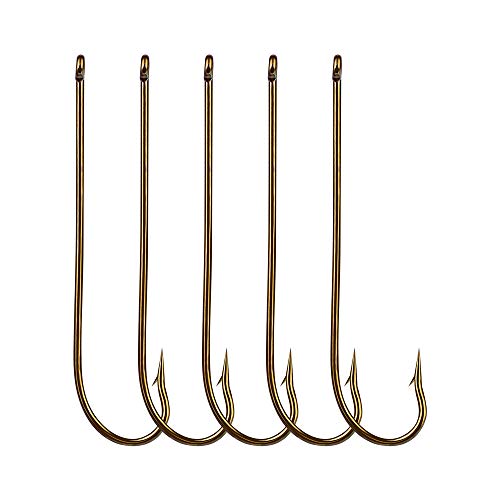


Fly Tying Hooks are the base component used to build artificial flies for fly fishing. The hook shape helps define how a finished fly sits in the water, how it carries materials, and how it matches the pattern you are tying. Because different fly styles call for different hook profiles, this category is useful for comparing the details that matter before you start a build.
What to compare in fly tying hooks
Size is one of the first things to check, since it needs to suit the fly pattern and the insect or bait profile you are trying to imitate. Bend shape and shank length also affect the overall look and balance of the fly. Some hooks are better suited to compact patterns, while others give more room for longer bodies or extra materials.
Wire style is another practical factor. Lighter hooks are often chosen for patterns that need a more delicate profile, while heavier styles may be used when a sturdier feel is preferred. The right choice depends on the intended fly and the fishing situation, so it helps to review each listing carefully rather than assuming every hook works the same way.
Choosing hooks for different fly patterns
Fly tying often involves matching the hook to the style of fly you want to create. Dry fly patterns usually benefit from a profile that supports a neat, balanced finish, while nymph and streamer patterns may call for different proportions. If you tie several kinds of flies, it can be useful to compare hook shapes across a few pattern types so you can choose the one that fits your intended presentation.
It is also worth checking how the hook description is written on each product page. Terms such as curved, straight, short shank, or long shank can help you understand the intended use, but they do not replace the individual listing details. Reviewing those details helps you pick hooks that suit your tying style and the patterns you make most often.
Building a fly-tying assortment
Many tiers keep a range of hook styles on hand so they can work on different patterns without changing categories each time. If you tie for multiple conditions or species, compare the available options by shape, size range, and overall design. That makes it easier to assemble a practical selection for future projects.
Browse the listings in this category and check the individual product pages for the specific hook details that matter to your fly patterns.