Dry Flies
Dry Flies are designed for fly fishing presentations that ride on or near the water’s surface, making them a key choice when anglers want to match insects or other surface activity. This category helps you compare patterns by silhouette, size, and how closely they resemble the hatch or feeding situation.
When reviewing options, it helps to consider the target water type, the insects or surface conditions you are trying to imitate, and how visible the fly is to you on the cast. Check individual product details for pattern style and intended use.

Showing 1–12 of 65 results


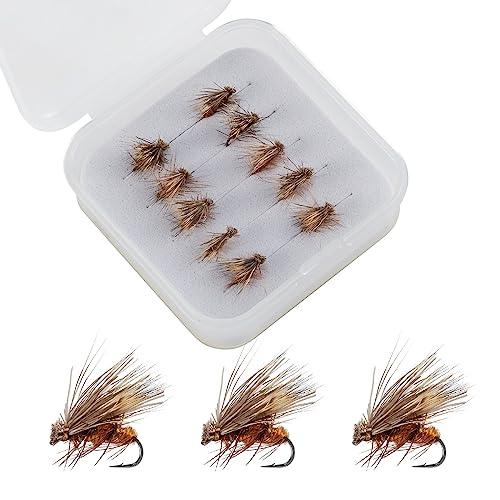
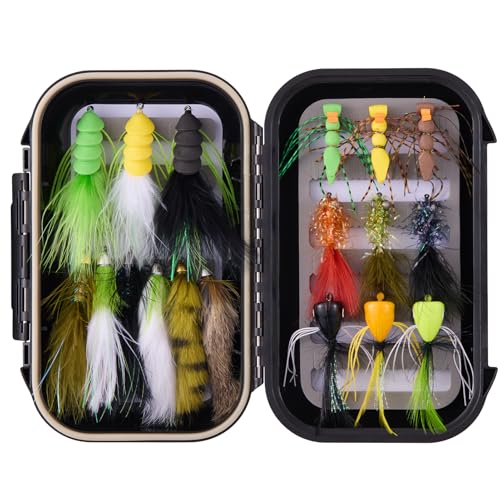

Dry Flies are surface flies used in fly fishing when fish are feeding at or near the top of the water. This category typically includes patterns meant to imitate insects, terrestrials, or other small surface food sources, so anglers can choose a fly that matches the conditions they are fishing.
What to compare in dry fly patterns
For this category, the most useful comparisons are usually size, silhouette, and general profile. A slimmer pattern may suit one hatch, while a fuller or more buoyant design may better suggest another. Color can also matter, but it is often the overall shape and how the fly sits on the surface that influences presentation. Because dry flies are often chosen to match local feeding activity, it helps to review the individual listing for the pattern’s intended use rather than assuming one style works everywhere.
Matching the water and feeding conditions
Dry Flies are commonly used on rivers, streams, and other freshwater waters where surface feeding is visible or likely. In some situations, anglers look for more natural insect imitations; in others, a more visible attractor-style fly may be useful. The right choice can depend on water clarity, light conditions, and the insects present at the time. If a product title suggests a hatch-specific pattern, check the details carefully to understand what it is meant to imitate.
Reading product details carefully
Because fly patterns can vary widely, it is worth comparing the product page description, size information, and any notes about the intended presentation. Some dry flies are designed for delicate surface landings, while others are made to be easier to see or to support a slightly different presentation style. For the best fit, compare the listing against your fishing conditions and the species or surface activity you are targeting.
Dry flies and subsurface patterns
Dry flies are selected for presentations on the surface, while nymph flies are generally used below it. When fish are not visibly feeding at the surface, consider whether a subsurface pattern better fits the conditions. On the surface, observe the insects or other food sources present and choose a pattern whose general size and profile make sense; then focus on presenting it naturally with the current.