
Bicycle Wheels
Bicycle wheels are the rotating assemblies that help define how a bike feels, rolls, and handles. Shoppers comparing wheels often look at fit with their frame and fork, intended riding use, and how the wheel choice works with tires, brakes, and hubs.
This category is useful for riders replacing a damaged wheel or upgrading a bike’s ride character. Check the individual listing for the wheel size, axle standard, brake compatibility, and whether the wheel is meant for the front or rear position.
Showing 1–12 of 111 results
-
Bicycle Wheels
(2 Sets) 12 x 2.125 Kids Bike Replacement Tires and Tubes, White
$22.99 View on Amazon -
Bicycle Wheels
20 Inch Aluminum Alloy One-Piece Bike Wheels with Disc Brake Hub
$72.49 View on Amazon -
Bicycle Wheels
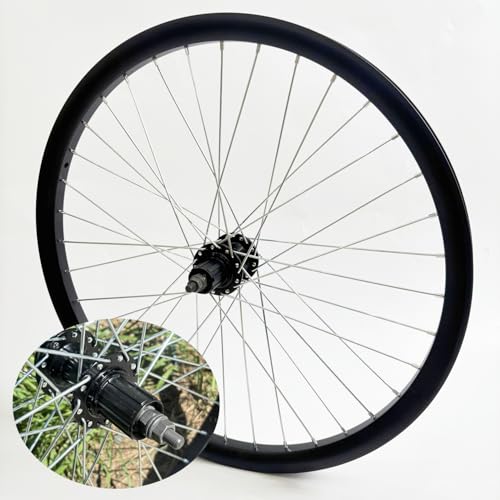
26 Inch Mag Wheel Set for Single Speed Freewheel, Black Disc Brake
$109.99 View on Amazon -
Bicycle Wheels
26 Inch Mountain Bike Wheelset with 10-Spoke Aluminum Alloy Disc Brake Wheels
$77.93 View on Amazon -
Bicycle Wheels
26 inch x 1.85″ Bike Rim Wheel Set, 12 Gauge 48 Spokes, Disc Brake, Silver
$119.99 View on Amazon -
Bicycle Wheels
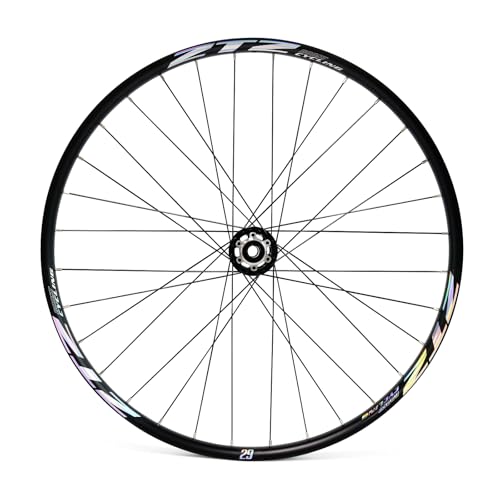
29 Inch Bicycle Wheelset with 100mm Front and 135mm Rear QR Hubs
$73.99 View on Amazon




Bicycle wheels are a core bike part for riders replacing worn components or comparing upgrade options. The right wheel affects fit, handling, and how smoothly the bike rolls, so it helps to review the individual product details closely before choosing.
What bicycle wheels cover
This category includes wheels intended for bikes in general, which may be sold as complete front or rear wheels depending on the listing. Some wheels are designed for straightforward replacement, while others are selected to match a specific riding setup or frame standard. Because wheel fit depends on several connected parts, it is important to compare the wheel alongside the bike’s fork, frame, tires, brakes, and hub requirements.
Key fit and compatibility checks
The most important comparison points are the wheel size, axle type, and brake compatibility. A wheel must match the frame and fork, and it also needs to work with the brake system used on the bike. If the listing includes a hub or freehub detail, that can also affect compatibility with the rest of the drivetrain setup. When browsing the available options, check whether the wheel is intended for the front or rear position, since that can change the installation requirements.
Choosing between wheel styles
Different bicycle wheels may suit different uses, from everyday riding to more specialized cycling setups. Some listings focus on replacement convenience, while others are aimed at riders who want a different ride feel or a better match for existing parts. Rim design, spoke pattern, and hub setup can all influence how a wheel is presented, so it is worth comparing the product description rather than relying on the category name alone.
What to review on each listing
For a confident match, compare the wheel’s stated dimensions, intended application, and any compatibility notes provided by the retailer. If you are replacing a damaged wheel, it also helps to check the existing bike parts so the new wheel lines up with the current setup. That simple review can save time and make it easier to narrow down the most suitable bicycle wheels for your bike.
Check the wheel format and interfaces
A listing may describe one front or rear wheel or a pair, so confirm the quantity and what is included rather than assuming tires, tubes, skewers, or other hardware come with it. For tire fit, compare the tire size and compatibility details stated for the wheel with the tire you plan to use. On a rear-wheel replacement, also compare the hub’s cassette or freewheel interface with the bike’s drivetrain. If those details are unclear, use the markings on the existing parts or the bike’s documentation to help narrow the match.