
Camping Heaters
Camping heaters are designed to add warmth at campsites, in tents, or in other outdoor living setups where temperatures drop after dark. Shoppers often compare fuel type, heat output, portability, and safety features to find a model that fits their space and style of camping.
Review the individual product details closely, especially ventilation guidance, ignition method, and whether the heater is intended for enclosed or open-air use. The right choice usually depends on how you camp, how much heat you need, and how easy you want setup and transport to be.
Showing 1–12 of 71 results
-
Camping Heaters
400W Indoor Portable Space Heater with Tip-Over Protection, Apple Green
$20.49 View on Amazon -
Camping Heaters
Amazon Basics Portable Outdoor Propane Patio Heater with Wheels, Slate Gray
$156.16 View on Amazon
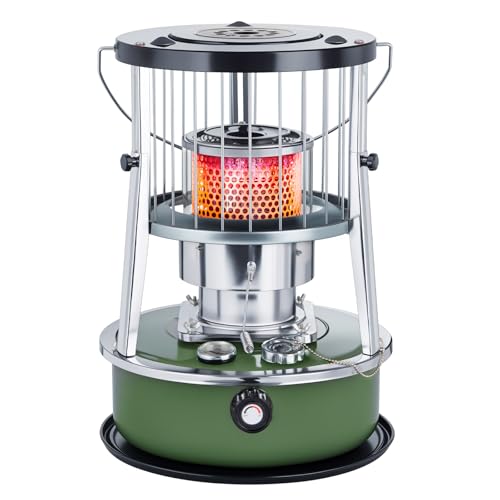


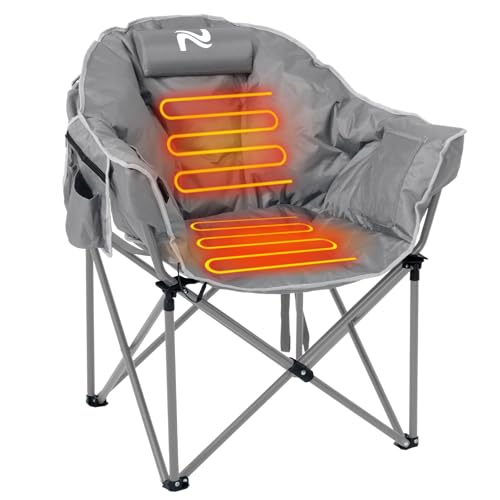


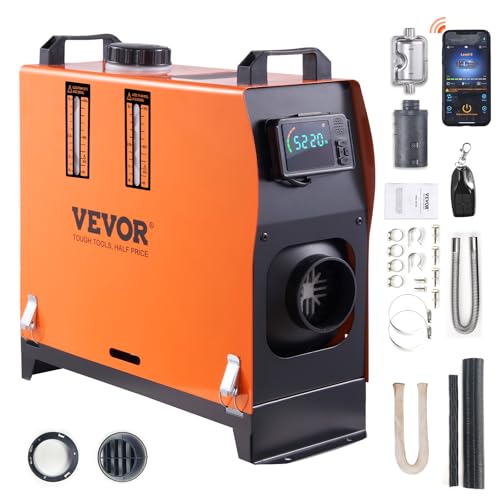


Camping heaters are built for outdoor comfort when evenings turn cold and a little extra warmth makes time at camp more usable. This category covers heaters intended for campsite use, so it is helpful to compare the way each unit is powered, how it is operated, and how it is meant to be used in the field.
What to compare in a camping heater
Start with the basics: fuel or power source, size, and the kind of setup required. Some camping heaters are made for quick, portable use, while others are better suited to a more stationary campsite arrangement. Heat output can also matter, but the right level depends on the space you want to warm and the conditions you expect. A compact heater may be easier to move and store, while a larger unit may be chosen for broader coverage.
Safety and use considerations
Because heaters create warmth by design, it is important to check the product description for any usage limits, ventilation advice, and placement instructions. Some models may be intended only for outdoor or well-ventilated use, and the individual listing should make that clear. Look for details on ignition, shutoff controls, and any safeguards mentioned by the retailer or manufacturer. For use inside a tent or shelter, always follow the product’s guidance carefully and confirm that the heater is appropriate for that setting.
Portability and campsite setup
In a camping setting, convenience matters as much as warmth. Consider how easy the heater is to carry, position, and pack away, especially if space is limited. A model that folds down or has a simple handle may suit frequent moves between campsites, while a more fixed design may fit longer stays. It can also help to compare maintenance needs, such as cleaning or fuel handling, so the heater matches your routine.
Camping heaters are best chosen by matching the product to the way you camp rather than focusing on a single feature. Compare the listings, check the individual product pages, and look for the details that fit your campsite layout, comfort needs, and preferred level of portability.
Choose for personal warmth or campsite heating
Camping warmth products can serve different purposes. A personal warmer is intended to provide localized warmth, while a heater designed for an area is chosen for a campsite space; neither should be assumed to do the other’s job. Check the stated use and operating instructions, and consider where the warmth is needed before comparing size or output.
Use fuel-burning heaters with care
Fuel-burning heaters can produce carbon monoxide, an odorless gas that can be dangerous. Follow the manufacturer’s instructions and campsite rules, and never use a heater inside a tent, vehicle, or other enclosed space unless its instructions specifically permit that setting. A carbon monoxide alarm does not replace proper use or ventilation guidance.