
Running Waist Packs
Running waist packs are designed for carrying small essentials while you run, such as a phone, keys, cards, or hydration accessories. They offer a close-to-body carry option that can feel simpler than a larger pack or vest, especially for shorter runs and everyday training.
When comparing options, look at storage layout, bounce control, adjustability, and how easily you can reach items on the move. The right choice often depends on how much you want to carry and whether you prefer a slim profile or a bit more space.

Showing 1–12 of 67 results
-
Running Waist Packs
AONIJIE Hydration Belt Running Fanny Pack with 250ml Flask, Black M/L
$23.99 View on Amazon -
Running Waist Packs
AONIJIE Running Belt Fanny Pack with 250 ml Soft Water Bottle, Full Black S/M
$23.99 View on Amazon -
Running Waist Packs
AONIJIE Running Belt with 250ml Collapsible Water Bottle, Size L
$26.99 View on Amazon -
Running Waist Packs
Eberlestock Bando Bag Tactical Fanny Pack, Black, Standard
$44.25 View on Amazon


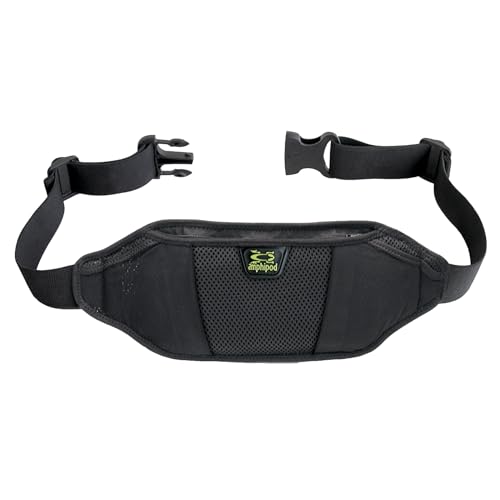


Running waist packs are a practical way to carry a few essentials without loading up a larger pack. They are commonly used for training runs, races, walking, and other active outings where you want hands-free storage close to the body. The category includes compact belt-style carriers made to sit around the waist or hips, with enough room for small items that you may want within easy reach.
What to compare in a running waist pack
Storage is often the first thing to review. Some waist packs are pared down for a phone and keys, while others provide extra room for cards, nutrition, or small personal items. Pocket layout can matter just as much as total capacity. A secure zip pocket, a stretch pocket, or separate compartments can make it easier to organize what you carry and keep important items accessible.
Fit is another important factor. A waist pack should stay steady as you move, so look for adjustable straps and a shape that suits your body. If a listing mentions bounce reduction or a snug ride, check the product details to see how the pack is intended to fit and whether it is meant for light storage or a fuller carry.
Comfort and on-the-run access
Comfort often depends on how the pack sits against the body and how the closure adjusts. A slimmer profile may feel less noticeable during faster runs, while a slightly larger design may suit longer outings or days when you want to carry a bit more. If quick access matters, compare how the pockets open and whether items can be reached without removing the pack.
It can also help to think about what you will carry most often. Phones vary in size, and not every pocket will suit every device. Keys, ID, and nutrition can be easier to manage in separate pockets or compartments. For wetter or rougher conditions, review the individual product description for any details about protective construction rather than assuming the same features across the whole category.
Choosing the right style for your use
Running waist packs sit within the broader running packs and belts category, so they are useful for shoppers who want something lighter and more minimal than a vest. They can work well for shorter distances, casual training, or situations where you only need a few essentials. If you want a different carrying style, nearby categories such as running phone belts or running vests may fit other needs more closely. Browse the available options and compare the listings based on carry space, fit, and ease of use.
Hydration and carrying a realistic load
Some running waist packs are designed to carry a water bottle, while others focus on small essentials. If you want hydration on your run, compare how the bottle is positioned and secured, whether its size is compatible, and whether a bottle is included. A full bottle adds weight, so consider how its placement may affect balance and access as you move.
When judging fit, think about the items you routinely carry rather than an empty pack. Adjust the belt as directed and consider whether it stays comfortable and secure with your phone, keys, or other planned essentials in place. A fit that is too loose may shift during a run; one that is too tight may feel restrictive. Product-specific sizing and adjustment guidance can help you narrow the choices.