
Cabin tents are a familiar option for campers who want a more open, room-like shelter for family trips, group outings, or basecamp-style camping. They are often chosen for comfort and usable interior space rather than for the smallest packed size.
If you are comparing cabin tents, the main question is usually not just how many people they claim to fit, but how the space is arranged and how that matches your camping style. A tent that feels spacious at home may feel different once you add sleeping gear, bags, and a changing area.
This guide focuses on the practical choices buyers usually need to make: space, setup, weather tolerance, portability, and the features that matter most for everyday camping use.
What should you look for in a cabin tent?
Start with the balance between interior comfort and ease of use. Cabin tents are often appealing because they can offer more upright walls and a roomier feel, but that extra livability can come with more bulk, more setup effort, or less convenience in windy conditions. The best starting point is to match the tent to how and where you camp most often, then check the details on the individual product page.
Specifications vary by model, so always check the individual product page before buying.
| Feature | What It Means | Why It Matters | What To Check |
|---|---|---|---|
| Interior space | How roomy the tent feels inside, including headroom and floor layout | Affects comfort, moving around, and how easily gear fits with sleepers | Floor dimensions, peak height, and whether the shape suits your sleeping setup |
| Setup style | How the tent is assembled and supported | Influences how quickly you can get camp established | Pole structure, number of parts, and whether the design looks manageable for one or two people |
| Weather suitability | How the tent is designed to handle changing conditions | Important if you may face rain, wind, or cooler nights | Coverage details, ventilation, and any model-specific weather features listed by the seller |
| Ventilation | Airflow through the tent body and openings | Helps with comfort, condensation control, and warmer-weather camping | Window placement, mesh panels, and how openings are arranged |
| Portability | How easy it is to carry and pack away | Matters if you move between campsites or have limited storage space | Packed size, weight, and whether the included storage bag fits your use |
| Entry and layout | Door design, room separation, and how easy it is to move in and out | Can make a tent feel easier to live with on longer trips | Number of doors, room dividers, and the placement of entrances |
Key decision criteria
Space and livability
Cabin tents are usually selected for their upright feel and usable interior area. That makes them attractive for campers who want to stand up more easily, change clothes inside, or keep sleeping and storage areas less cramped. The trade-off is that a roomier layout can be less compact to transport and may be more exposed to wind than lower-profile tent styles.
Capacity versus real-world comfort
Capacity labels are a starting point, not the whole story. A tent that sounds large enough on paper may feel tight once sleeping mats, bags, and other gear are inside. If you prefer extra elbow room, look beyond the headline capacity and consider whether the floor plan leaves enough usable space for your group.
Weather and ventilation
For many buyers, the right cabin tent is the one that balances shelter and airflow. Better airflow can help reduce stuffiness and condensation, but more openings can also mean a different weather feel depending on the model. If you camp in variable conditions, look carefully at how the tent handles rain protection, windows, and ventilation placement.
Setup and handling
Some cabin tents are easier to set up than others, especially if you camp often or arrive late in the day. Think about whether one person can manage the tent or whether you will usually have help. The more complex the layout, the more important it is to understand the setup style before buying.
Common cabin tent types and variants
Within this category, the most useful differences are usually about layout and livability rather than highly specialized performance. Some cabin tents emphasize a simple open sleeping area, while others focus on a more divided, room-like arrangement. The right choice depends on whether you want maximum open floor space, a more organized layout, or easier movement inside the tent.
A buyer comparing cabin tents should pay close attention to the following broad differences:
- Open-plan designs: Best for shoppers who want straightforward use and a flexible interior layout.
- Room-divided layouts: Helpful when you want more separation for sleeping, gear, or privacy.
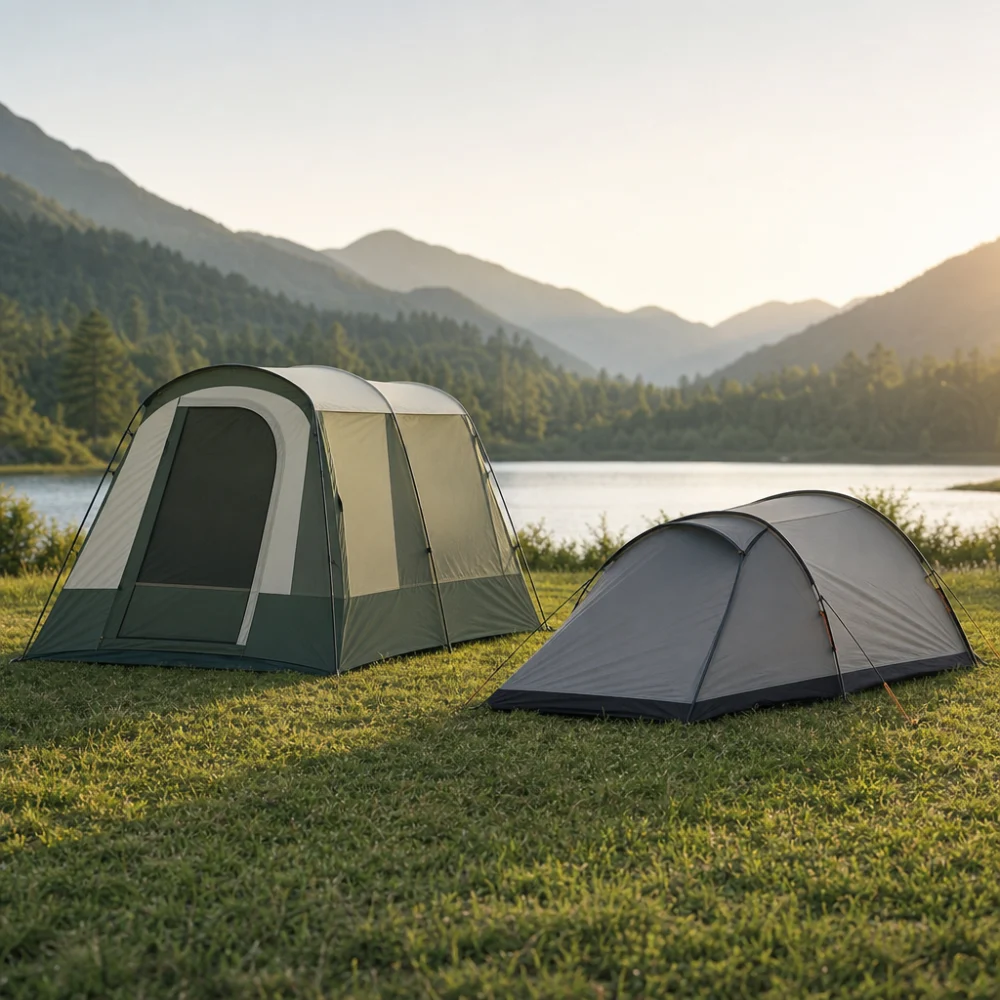
- More compact cabin styles: Better for easier transport and storage, though usually with less interior openness.
Which cabin tent suits which kind of buyer?
| Buyer need | Features that matter most | Why this match helps | Main trade-off |
|---|---|---|---|
| Family camping | Roomy interior, practical layout, manageable setup | Makes it easier to organize sleeping and everyday gear | Larger tents can be less compact to carry and store |
| Longer weekend stays | Headroom, ventilation, and easy movement inside | Comfort matters more when you spend more time in camp | Comfort-focused layouts may weigh more or take longer to pitch |
| Occasional campers | Simpler setup and easy packing | Reduces hassle when you only use the tent a few times a season | Simpler designs may offer fewer space or layout extras |
| Campers with more gear | Extra usable floor area and sensible door placement | Helps keep sleeping and storage areas from feeling crowded | More space often means a larger footprint |
Common mistakes and misunderstandings
- Assuming capacity equals comfort. A listed capacity does not always reflect how roomy the tent will feel once gear is inside.
- Overlooking packed size. A tent that works well at camp may still be inconvenient if storage space or vehicle space is limited.
- Focusing only on standing room. Headroom is useful, but layout and usable floor space are just as important.
- Ignoring ventilation details. A large tent still needs airflow to feel comfortable in warmer or more humid conditions.
- Forgetting who will pitch it. A tent that looks good on paper may be less appealing if setup is awkward for your usual camping crew.
Safety and suitability caveats
Choose a cabin tent for the conditions and trip style it is meant to handle, and check the individual product page for details that matter to your plans. If you expect changing weather, pay close attention to the tent’s ventilation, coverage, and setup requirements. A roomier tent can be more comfortable, but it is not automatically the better choice for every campsite or forecast.
Maintenance, storage and lifespan considerations
Cabin tents usually benefit from the same basic care that helps most camping shelters last longer: let the tent dry before storing it, keep it clean after trips, and avoid packing it away damp when possible. Storage space also matters, since larger tents can take up more room between trips.
It is also worth checking whether the tent includes any carry bag or storage system that suits your packing habits. If you camp often, ease of folding, packing, and re-stowing can be almost as important as the tent layout itself.
How to compare options efficiently
- Decide how you will use the tent most often: family camping, weekend trips, or occasional overnights.
- Compare interior space, door layout, and whether the floor plan matches your gear and sleeping setup.
- Check setup complexity and portability so the tent fits your vehicle, storage space, and patience level.
- Review ventilation and weather-related details to see whether the tent suits the conditions you expect.
- Compare the individual product pages side by side and choose the layout with the best trade-off for your use.
Cabin tent buyer checklist
- Does the interior space feel adequate for your sleeping setup and gear?
- Is the layout practical for how you move around camp?
- Will the setup process be manageable for the people who will actually pitch it?
- Does the packed size work for your storage and travel space?
- Are ventilation and weather details suitable for where you camp?
- Does the tent’s overall shape match your comfort priorities?
Frequently asked questions
Are cabin tents good for families?
They can be a strong option for families because the roomier layout often makes it easier to organize sleeping areas and gear. The best fit depends on how many people will actually use the tent and how much space you want once everyone is inside.
Do cabin tents always have more standing room?
Not always. Many are designed to feel more upright, but the amount of usable standing space still depends on the model and its shape. Check the height and floor plan rather than assuming all cabin tents feel the same.
Are cabin tents harder to set up?
They can be, especially when the design is larger or more structured. Some buyers prefer them anyway because the added comfort is worth the extra setup effort. If you camp often, setup convenience is worth comparing closely.
What matters more: capacity or floor size?
Both matter, but floor size and layout usually tell you more about real comfort. Capacity is useful as a quick reference, while the actual shape of the interior helps you judge whether your gear will fit comfortably.
Can a cabin tent be used for short trips?
Yes, if you value space and comfort more than the smallest packed size. For very simple overnight trips, some campers may prefer a more compact tent style, but cabin tents can still work well when comfort is the priority.
How do I compare different cabin tents without getting overwhelmed?
Focus on four things first: space, setup, portability, and weather suitability. If two tents seem similar, the layout details and ventilation often help you decide which one will feel easier to live with at camp.