

A baitcasting rod is designed to pair with a baitcasting reel, but rods within this category can differ in ways that affect casting, lure presentation, and hook-setting feel. The right choice depends on what you fish for, the techniques you use, and the lures and line you expect to use.
Start with the rod’s stated lure and line ranges, then consider power, action, and length together. A rod suited to one technique may feel less suitable for another, so check the details for each individual product rather than choosing by a style name alone.
Compare Baitcasting Rods
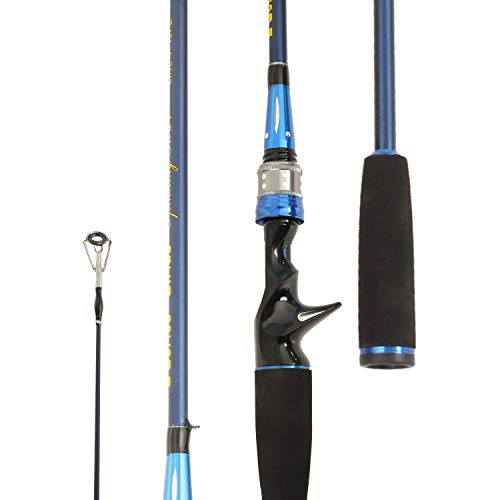
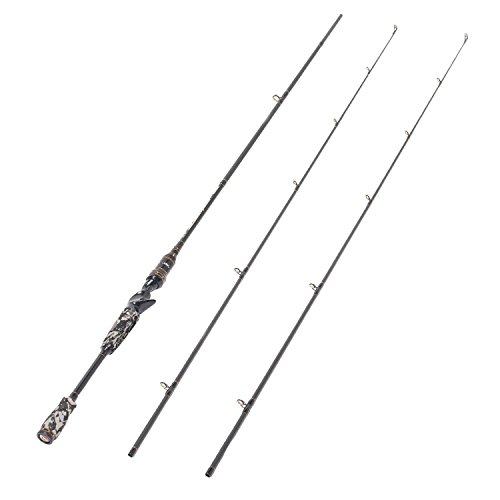
As an Amazon Associate we earn from qualifying purchases.
Which baitcasting rod should you choose?
Choose a rod whose lure and line ratings fit the tackle you plan to use most often. Then consider power for the resistance of your target fishing and action for how the rod bends and responds. Length can influence casting and control, while handle and construction details affect fit and convenience. The main trade-off is specialization: a technique-focused rod may suit a particular presentation better, while a more general-purpose choice can be easier to use across different situations.
Compare the main buying factors
| Feature | What It Means | Why It Matters | What To Check |
|---|---|---|---|
| Lure rating | The lure-weight range the rod is intended to handle. | Helps you determine whether the rod suits the lures you plan to cast. | Compare the stated range with your usual lures; do not assume every lure in a technique category has the same weight. |
| Line rating | The line range specified for the rod. | Helps narrow choices for your intended line and fishing conditions. | Check the listed range and consider the line you plan to use with the reel. |
| Power | A description of the rod’s resistance to bending under load. | Influences how the rod feels with different lures and levels of resistance. | Compare the stated power with your target species, cover, and preferred presentation. |
| Action | Describes where and how readily the rod bends. | Affects casting feel and how the rod responds during a presentation. | Check the action description and consider whether it suits your usual hooks and lures. |
| Length | The overall length of the rod. | Can affect casting leverage, reach, and handling in your fishing setting. | Consider available casting space, transport, and the control you want. |
| Construction and handle | Details such as one-piece or multi-piece construction and handle design. | Can affect transport convenience, storage, and how the rod feels in hand. | Verify the stated construction, dimensions, and handle details on the product page. |
What to consider before choosing
Match lure and line ratings to your tackle
Ratings are a practical starting point for deciding whether a rod fits your planned setup. Check them against the lures and line you expect to use, rather than treating the rod’s category or technique label as proof of fit. If your usual tackle falls outside a listed range, look for a rod whose stated ratings better match that use.
Understand power and action separately
Power and action describe different aspects of a rod. Power concerns its resistance to bending; action describes how it bends along its length. They are not interchangeable, and neither label alone tells the whole story. For example, anglers often look for a faster action for some single-hook presentations and a more moderate action for some treble-hook lures, but the best fit depends on the lure, hook, and intended presentation. Read both descriptions and the stated ratings.
Choose a useful length for your setting
A longer rod can offer casting leverage and reach, while a shorter one may be easier to manage where casting room is limited. These are trade-offs, not guarantees of casting distance or control. Consider where you fish, how you transport the rod, and whether your priority is open-space casting or compact handling.
Check reel fit and construction details
Because this rod type is intended for a baitcasting setup, check the product information for the intended reel type and any stated fit details. Also consider whether a one-piece or multi-piece rod is more practical for your storage and transport needs. Specifications vary by model, so always check the individual product page before buying.
Common baitcasting rod types
Some rods are described around techniques or lure styles, such as crankbait fishing, jig or worm presentations, or close-range pitching and flipping. These labels can help you narrow your search, but they do not establish an exact lure range or guarantee that the rod suits every version of that technique. Use the stated power, action, and ratings to check the fit.
A general-purpose casting rod may be a practical option if you want to use a variety of lures and do not have one primary technique. A more specialized rod may better match a regular, focused presentation, but can be less flexible outside that use. Let the ratings and design details—not the label by itself—guide the decision.
Choose for your fishing needs
- For a first baitcasting setup: Prioritize clear, compatible lure and line ratings and a use that matches the fishing you expect to do most. A technique-specific label is less useful if you are not sure which presentation you will use.
- For one regular technique: Compare rods described for that presentation, then verify power, action, and lure ratings. The technique name is a starting point, not a substitute for those details.
- For varied lures or changing conditions: Consider how broadly the stated ratings cover the tackle you use. A rod suited to a wider range may involve compromises in feel for a particular presentation.
- For frequent transport or limited storage: Compare construction and packed dimensions where provided. Convenience should be weighed against your preference for how the rod is assembled and carried.
Common buying mistakes
- Choosing by power alone: Power does not tell you the rod’s action or whether its lure ratings fit. Check all three together.
- Treating technique names as specifications: A name such as “crankbait” suggests an intended use, but does not confirm a particular rating. Read the product details.
- Ignoring the tackle you already own: A rod may not suit your usual lures or line just because it is a baitcasting rod. Compare the stated ratings with your setup.
- Assuming longer is always better: Length involves a balance between reach, casting leverage, transport, and available space. Choose for your setting rather than relying on a general rule.
- Overlooking transport and storage: A rod that suits your fishing may still be inconvenient to carry or store. Check construction and dimensions before deciding.
Suitability and use
Choose a rod for its stated purpose and ratings, and consider whether its length and handling suit the places where you fish. Rods and reels are separate components, so verify that the rod is intended for the reel type in your planned setup. Follow the product information and use fishing equipment responsibly in your surroundings.
Care, storage, and transport
Consider the rod’s construction when planning how you will carry and store it, and check any care guidance supplied with the product. Keep transport and storage arrangements in mind when comparing one-piece and multi-piece designs. If care requirements matter to your decision, confirm them in the individual product information rather than assuming they are the same for every rod.
A practical buying process
- Decide what fishing situations and presentations you expect to use the rod for most.
- List the lures and line you plan to use, then compare them with the stated ratings.
- Narrow the options by power and action, considering the hooks and presentations involved.
- Compare length, construction, and handle details against your casting space and transport needs.
- Review the individual product information for intended reel type and any other stated fit details before buying.
Baitcasting rod buyer checklist
- Do the stated lure and line ratings fit the tackle I plan to use?
- Do the rod’s power and action suit my regular presentation?
- Is the length practical for where I fish and how I transport the rod?
- Does the product information indicate that the rod is intended for my reel type?
- Are the construction and handle details suitable for my storage and handling preferences?
- Have I checked the individual product details rather than relying only on a technique name?
Frequently asked questions
Are baitcasting rods different from spinning rods?
They are designed for different reel setups. When choosing a baitcasting rod, check the product information to confirm its intended reel type rather than assuming it will suit a different setup.
What is the difference between rod power and action?
Power describes resistance to bending, while action describes how the rod bends along its length. Both matter, and neither should be used in place of the rod’s lure and line ratings.
Should I choose a fast or moderate action?
It depends on the lures, hooks, and presentations you use. Some anglers prefer faster actions for certain single-hook applications and more moderate actions for some treble-hook lures, but check the rod details and intended use rather than treating this as a fixed rule.
Can one baitcasting rod work for different techniques?
It may suit more than one use if its ratings and characteristics fit the tackle involved. A rod focused on a particular technique may involve trade-offs when used for other presentations, so compare your most common uses first.
How do I know if my lures are suitable for a rod?
Compare their weights with the lure range stated for the rod. If the product details do not make the fit clear, do not infer a suitable range from the rod’s name alone.
What should I check if I need a travel-friendly rod?
Look for the stated construction and dimensions, including any packed length provided. Consider how those details fit your transport and storage arrangements before choosing.
Ready to choose?
See all 2 Baitcasting Rods →As an Amazon Associate we earn from qualifying purchases.