

A mountaineering ice axe is selected around the terrain and role it is meant to serve, not just its appearance. Buyers may be choosing a first axe for alpine travel, replacing familiar equipment, or comparing designs for a particular route.
This guide focuses on mountaineering axes rather than more specialized technical ice-climbing tools. The right balance of length, head design, and weight depends on the intended use, the climber, and the rest of the equipment system.
Compare Mountaineering Ice Axes


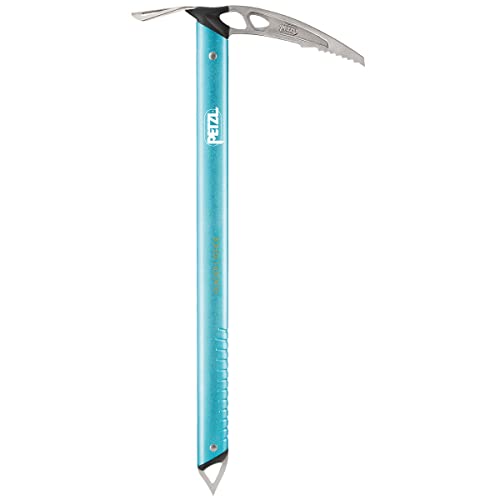
As an Amazon Associate we earn from qualifying purchases.
What should you look for in a mountaineering ice axe?
Start with the terrain and the axe’s primary role: a longer shaft may be useful when walking support is a priority, while a shorter, more compact design may feel easier to manage on steeper ground. Then compare the head and pick, shaft shape, weight, and overall fit. Choose only an axe intended for the conditions you expect, and confirm its details with the manufacturer’s information.
Compare the main buying factors
| Feature | What It Means | Why It Matters | What To Check |
|---|---|---|---|
| Shaft length | The overall length of the axe. | Length affects reach, carrying comfort, and how natural the axe feels for its intended role. | Check the listed length and consider your height, route, and intended use. |
| Shaft shape | The form and degree of curve in the shaft. | A straighter or more curved design can change handling and clearance on different terrain. | Review the product description and images for the intended use and shape. |
| Pick and head | The shape of the pick and the design of the head, which may include an adze. | These influence how the tool is designed to engage with snow or ice and how it is handled. | Check the manufacturer’s description of the pick, head, and intended conditions. |
| Weight and balance | How heavy the axe is and how that weight is distributed. | Weight can affect carrying comfort and handling; preferences differ with route and experience. | Compare listed weight where provided and consider the full carry, not just the tool. |
| Shaft-end details | The design at the lower end of the shaft, including whether a spike is specified. | End design can affect how the axe is carried and used in its intended context. | Confirm the listed configuration and any manufacturer guidance for your use. |
Choosing the details that matter
Length and the terrain
Think about the axe’s primary role before comparing lengths. A design intended to accompany lower-angle travel may prioritize reach and support, while an axe for steeper terrain may prioritize compact handling. Height is one consideration, but it does not determine the choice by itself; route angle, expected conditions, and personal fit matter too.
If possible, compare the listed dimensions with an axe that already feels familiar, or seek guidance from a qualified climbing retailer or instructor. Specifications vary by model, so always check the individual product page before buying.
Shaft shape and handling
Shaft shape affects how the axe sits in the hand and how much clearance it provides. A straighter profile is commonly associated with general mountaineering use, while more pronounced curves may be aimed at steeper terrain. Treat these as design cues, not proof that an axe is suitable for every route; confirm the manufacturer’s stated purpose.
Pick, head, and adze
Compare the pick and head as a complete design. Some axes include an adze, but its presence and shape vary. Consider what the manufacturer says the head is intended for, and whether its form suits the conditions you plan to encounter. Do not assume that two similar-looking heads perform the same way.
Weight, materials, and carry
Weight can matter on long approaches or when carrying several pieces of equipment, but the lightest option is not automatically the best fit. Consider handling and the tool’s intended role alongside weight. Materials and construction also vary, so rely on the individual product information rather than assuming a particular durability or performance from appearance alone.
Common mountaineering axe types
Broadly, buyers may compare general-purpose mountaineering axes with designs that have a more pronounced curve or are described for steeper terrain. General-purpose designs may suit buyers prioritizing versatility across ordinary mountaineering travel; their trade-off is that they may not be intended for highly technical climbing. More specialized designs may suit particular steeper objectives, but can be less appropriate as a general walking axe. Check the stated use, and do not confuse mountaineering axes with dedicated technical ice tools.
Match the axe to your needs
- For general alpine travel: Prioritize a design whose stated purpose matches the route, then compare length and handling for your build and expected terrain.
- For a first axe: Favor clear manufacturer guidance and a use case you can describe. If you are uncertain about suitability, ask a qualified instructor or knowledgeable retailer before choosing.
- For steeper objectives: Check whether the design is explicitly intended for that terrain and whether it fits your broader equipment and training needs.
- For replacing familiar equipment: Compare dimensions and design details with the axe you know, while checking whether your intended routes or preferences have changed.
Buying mistakes and misunderstandings
- Choosing by length alone: Length is important, but it cannot establish suitability by itself. Compare the head, shaft shape, intended use, and fit as well.
- Assuming every mountaineering axe is interchangeable: Designs differ in their intended terrain and handling. Read the specific product information rather than relying on the category name alone.
- Buying the most technical-looking design by default: A more specialized shape may not be the most comfortable or appropriate choice for general travel. Start with the route and use case.
- Assuming an accessory or feature is included: Do not infer included components, attachment compatibility, or configuration from a photo or a similar product title. Verify the individual listing.
- Treating an axe as a substitute for training: Equipment choice does not establish that a person is prepared for a route. Consider instruction and the demands of the planned terrain.
Safety and suitability
Mountaineering ice axes are safety-sensitive equipment, and a buying guide cannot determine whether a particular axe is suitable for a specific route or user. Match the manufacturer’s stated use to the conditions you expect, and consider your experience, training, and complete equipment system. When in doubt, get qualified advice before relying on a design in consequential terrain.
Care, maintenance, and storage
Care needs vary by design and manufacturer. Review the supplied care information, check the axe for visible wear or damage before relying on it, and store it in a way that protects both the tool and people handling it. Keep sharp components covered during transport where appropriate, and refer questions about damage or service to the manufacturer rather than attempting an unverified repair.
A practical buying process
- Write down the terrain and primary role the axe needs to serve.
- Decide whether your priority is general mountaineering use or a more specialized design.
- Narrow choices by intended use, shaft length, shape, and head design.
- Compare handling and weight against your own fit and equipment needs.
- Verify dimensions, configuration, and manufacturer guidance on the individual product page.
- Seek qualified advice if the intended use or suitability remains unclear.
Buyer checklist
- Does the manufacturer describe the axe for the terrain and role I have in mind?
- Have I considered my height, route, and preferred handling when comparing length?
- Do the shaft shape, pick, and head design fit the intended use?
- Have I considered weight as part of my overall equipment carry?
- Have I checked the exact configuration and any included components on the individual product page?
- Do I have the training and qualified guidance needed for the conditions where I plan to use it?
Frequently asked questions
How do I choose the right length?
Begin with the axe’s intended role, your height, and the terrain where you expect to use it. Compare the listed dimensions and, if possible, how the length feels in hand. No single length is right for every climber or route.
Is a curved shaft always better for steep terrain?
Not necessarily. A curve is one design characteristic, not a guarantee of suitability or performance. Check the manufacturer’s description and consider how the axe fits the full route and your experience.
What is the difference between a mountaineering axe and a technical ice tool?
They are distinct categories with different intended uses and designs. If your objective involves highly technical ice climbing, compare equipment specifically described for that purpose and seek qualified advice rather than assuming a mountaineering axe is an equivalent substitute.
Should I choose the lightest axe?
Weight is one trade-off, not a complete selection rule. Compare it with the axe’s intended use, handling, and the rest of your carried equipment.
Does an adze mean the axe is suitable for every snow route?
No. An adze is a head feature, but its presence alone does not establish suitability for a particular route or condition. Check the complete design and the manufacturer’s stated use.
What should I do if the product description does not make suitability clear?
Do not guess from a product image or a similar title. Ask the manufacturer or a qualified climbing retailer or instructor for guidance before choosing equipment for consequential terrain.
More Mountaineering Ice Axes
See all 42 Mountaineering Ice Axes →


As an Amazon Associate we earn from qualifying purchases.