

Wader repair kits are for anglers who want to address leaks, punctures, seam issues, or wear before a small problem becomes a bigger one. The right kit depends less on brand hype and more on the material of your waders, the kind of damage you are dealing with, and how you plan to use the repair.
If you are comparing options for the first time, it helps to think about whether you need a quick field fix, a more durable at-home repair, or a kit that is mainly for carrying along as backup. Those choices affect what kind of patching material, adhesive, or cure time will make the most sense.
Because waders are used in wet, abrasive conditions, repair needs can vary a lot. A kit that works well for a small pinhole may not be the same one you would want for a larger tear or seam area.
Compare Wader Repair Kits
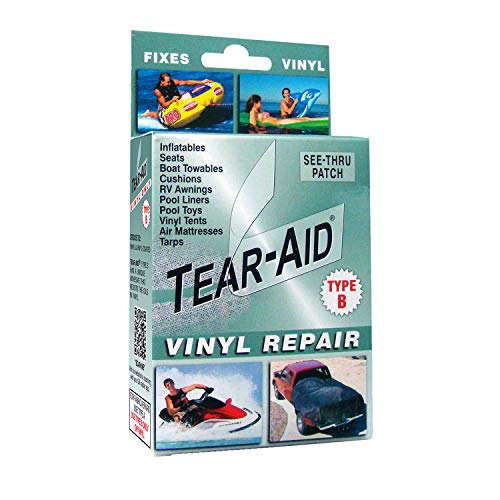


As an Amazon Associate we earn from qualifying purchases.
What should I look for in a wader repair kit?
Start with the repair task, then match the kit to your wader material and the size of the damage. A simple patch kit may be enough for small punctures, while other repairs call for adhesive, reinforcement, or a more complete patching setup. The main trade-off is convenience versus durability: faster fixes are easier to use on the water, while more involved repairs may hold up better at home. Specifications vary by model, so always check the individual product page before buying.
| Feature | What It Means | Why It Matters | What to Check |
|---|---|---|---|
| Repair type | Patch, adhesive, sealant, or a mix of repair materials | Determines what kinds of damage the kit is meant to handle | Whether it is intended for punctures, tears, seams, or general touch-up work |
| Material compatibility | The kind of wader fabric or coating the kit is designed for | A repair that suits one material may not hold as well on another | Compatibility notes on the product page and any surface-prep guidance |
| Setup time | How quickly a repair can be used after application | Matters if you need a fast field fix or can wait for a longer cure | Drying, curing, or waiting time information provided by the product page |
| Repair size | The amount of coverage the kit can provide | Small kits may be fine for minor leaks, but not larger damage | Patch size, number of pieces, or coverage details |
| Portability | How easy the kit is to carry in a vest, pack, or vehicle | Useful for anglers who want emergency repair options away from home | Package size and whether the contents are practical to carry |
Key decision criteria
1. Match the repair to the damage
Not all wader problems are the same. A tiny puncture, a rubbed seam, and a larger tear can call for different approaches, so the first question is what you are actually trying to fix. If the issue is minor and local, a simple kit may be enough; if it is more widespread, you may want a kit with broader patching support.
2. Check the wader material
Some repairs are better suited to certain fabrics or coatings than others. That matters because a patch that bonds well on one surface may not behave the same way on another. If your waders use a specialized material, look for clear compatibility information before you buy.
3. Decide whether you need a field fix or a home repair
A compact kit can be useful if you want to stop a leak quickly while fishing. A more complete repair setup may be more appropriate if you are planning a careful repair at home and can allow more time for prep and curing. The right choice depends on whether speed or finish quality matters more for your situation.
4. Consider how much work you want to do
Some buyers prefer the simplest possible repair process, while others are comfortable with surface preparation and longer set times. Easier kits can be more forgiving, but they may not be the right answer for every kind of wear. If you are not sure, look for a kit whose instructions and contents fit your comfort level.
Common wader repair kit types
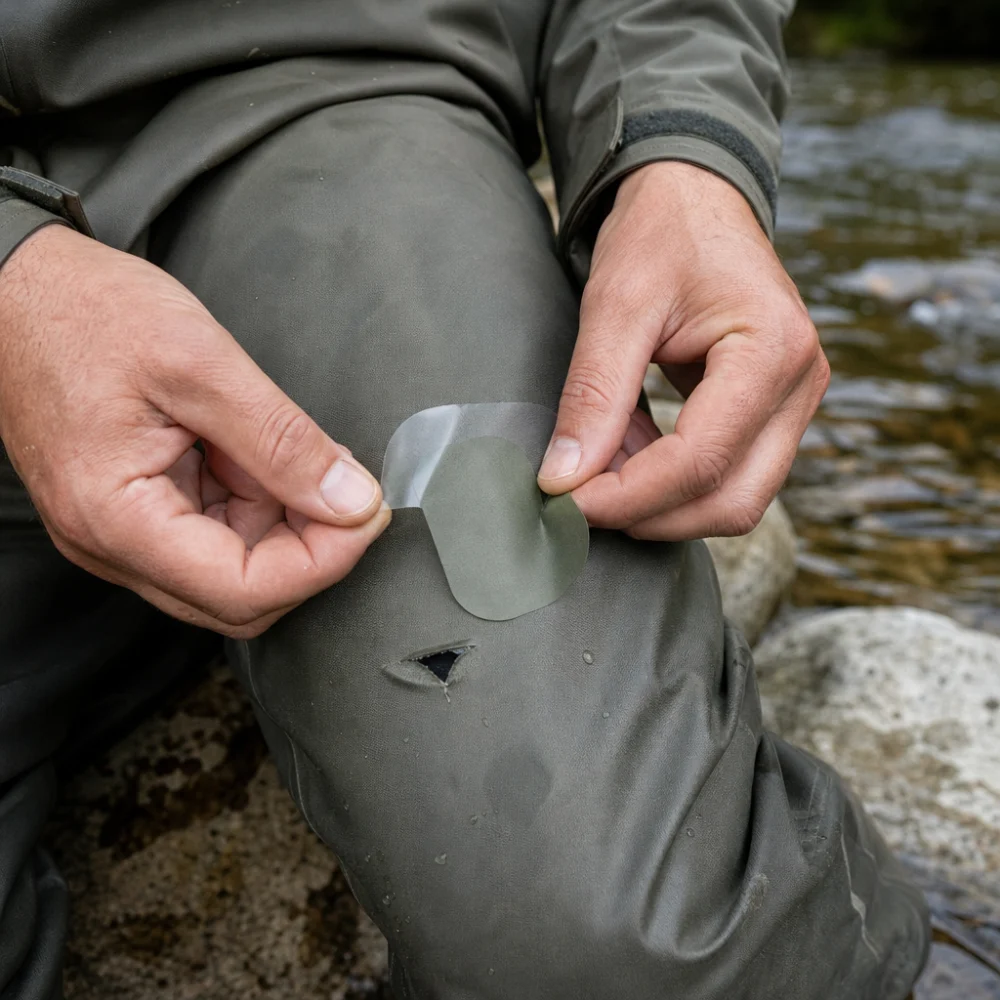
Patch-focused kits are a straightforward option for covering small holes or worn spots. They may suit anglers who want a simple, practical fix without a lot of extra steps, but they can be less flexible if the damage is irregular.
Adhesive or sealant kits are useful when the repair depends more on bonding or sealing than on adding a visible patch. They can be a good fit for smaller leaks or seam-related issues, though they usually depend on careful surface preparation.
Mixed repair kits combine more than one repair method, which can be helpful if you want one kit to handle different kinds of minor damage. The trade-off is that a broader kit may include more than you need for a single repair.
Which kit fits which kind of buyer?
| Buyer need | What to prioritize | Why that helps |
|---|---|---|
| Weekend angler | Simple contents and easy application | Makes it easier to handle an occasional leak without overbuying |
| Frequent wader user | Broader repair options and durable materials | Better suited to repeated wear and more than one kind of minor repair |
| Travel or backcountry use | Compact packaging and quick-use repair materials | Helps when space is limited and you want a fast fix on the go |
| Careful at-home repair | More complete repair contents and clear prep instructions | Useful when you can spend time on the repair and want a more deliberate result |
Common mistakes and misunderstandings
- Buying for the wrong material: the kit may be fine in general but still not be the right match for your specific waders.
- Assuming one kit covers every repair: small punctures, seam leaks, and larger tears may need different approaches.
- Ignoring setup time: a repair that takes longer to cure may be inconvenient if you need your gear back quickly.
- Choosing by contents alone: a bigger kit is not automatically better if you only need a simple emergency fix.
Safety and suitability caveats
Wader repair kits are about restoring gear, not replacing good judgment about fit, wear, or the condition of the waders themselves. A repair may help with minor damage, but it is not a reason to ignore larger failure points, severe deterioration, or other signs that the gear is no longer suitable for use. If you are unsure whether a kit matches your waders, check the product information carefully before relying on it.
Maintenance, storage, and lifespan considerations
Repair supplies can be sensitive to how they are stored and how long they sit unused, so it is worth thinking about whether you want a kit for occasional emergencies or regular maintenance. Keep the contents sealed and organized so they are ready when you need them, and check whether the repair materials have any prep or storage guidance on the product page. If you repair waders often, a kit with straightforward contents can be easier to keep on hand and use consistently.
How to compare options efficiently
- Identify the likely repair you need to make, such as a small puncture, seam issue, or tear.
- Check whether your wader material is compatible with the repair method.
- Compare repair type, setup time, and portability.
- Decide whether you want a quick field fix or a more durable home repair.
- Review the individual product page for what is included and how the kit is meant to be used.
Summary buyer decision checklist
- Do I know the kind of damage I need to repair?
- Is the kit suitable for my wader material?
- Do I want a quick fix, a longer-lasting repair, or both?
- Are the contents simple enough for my comfort level?
- Will the kit be easy to store or carry when I need it?
- Have I checked the individual product page for the exact repair guidance?
Frequently asked questions
Are wader repair kits only for emergency use?
No. Some kits are meant for quick fixes in the field, while others are better suited to careful repairs at home. The best choice depends on whether you want portability, durability, or both.
Can one repair kit work for all wader materials?
Not always. Material compatibility matters because a repair that works well on one surface may not be ideal for another. Check the product page for any compatibility notes before buying.
What if I only have a small leak?
A small leak may be handled by a simpler kit, especially if the damage is localized. For the cleanest result, look for a product that clearly suits minor punctures or pinholes.
Do I need a large kit if I do not repair gear often?
Usually not. If you only expect occasional use, a compact and straightforward kit may be easier to keep on hand. The key is whether it covers the type of repair you are most likely to face.
Are more contents always better?
Not necessarily. A larger kit can be useful if you want flexibility, but it may also include items you do not need. It is often smarter to choose the kit that matches your actual repair needs.
What should I check before relying on a repair?
Check the intended repair type, material compatibility, and any setup or curing guidance. Those details matter more than packaging size or general appearance when you are trying to choose a reliable option.
Match the kit to the wader construction and repair location
Material names on a wader label or product page can help narrow the options, but broad terms such as “fabric” may not establish compatibility with a particular coating or laminate. Look for repair-kit information that names the relevant material or construction, and check whether it addresses the surface and location you need to repair. A kit suitable for a panel may not necessarily be intended for a seam, and a repair that requires access to a particular side of the material may not suit every damage location. If the product information does not resolve those questions, avoid assuming that a general-purpose label means it will fit your repair.
More Wader Repair Kits
See all 22 Wader Repair Kits →


As an Amazon Associate we earn from qualifying purchases.