
Tent seam sealers are a simple but important accessory for campers who want to help keep stitched tent seams better suited to wet-weather use. They are most useful when a tent’s seams need fresh sealing, touch-up work, or maintenance after regular use.
This guide focuses on how to compare seam sealers by material compatibility, application method, finish, and care needs. It also explains what a seam sealer can and cannot do, so you can make a practical choice without overbuying.
What should you look for in a tent seam sealer?
The best starting point is the tent fabric and the kind of seam you plan to treat. Many buyers mainly need a sealer that is compatible with their tent’s material and easy to apply neatly along stitched lines. The main trade-off is usually between convenience and durability: a faster application may be easier for small touch-ups, while a more involved product may suit a full reseal. Specifications vary by model, so always check the individual product page before buying.
| Feature | What It Means | Why It Matters | What To Check |
|---|---|---|---|
| Material compatibility | Whether the sealer is intended for the tent fabric you have | A mismatch can lead to poor bonding or an unsatisfactory finish | Check the product page for fabric guidance and intended use |
| Application method | How the product is applied to the seam | Affects ease of use, control, and how tidy the finished seam looks | Look for the application format and whether it suits precise touch-up work |
| Coverage needs | Whether you are sealing a few seams or a larger section | Helps you choose enough product for the job without guessing | Review any stated coverage guidance on the product page |
| Finish after curing | How the sealed seam is expected to feel or look once dry | Important if seam flexibility, appearance, or low-profile treatment matters to you | Check whether the finish is described in product information |
| Drying and re-use timing | How long the product typically needs before the tent can be packed or used again | Affects trip planning and whether you can complete maintenance at home before leaving | Confirm drying guidance from the product listing |
Key decision criteria
Fabric compatibility
The most important check is whether the sealer is meant for your tent’s material. Different tent fabrics and coatings may need different approaches, so a product that works well on one shelter may not suit another. If your tent has coated fabric, treat the product page as the source of truth for compatibility claims.
Touch-up or full reseal
Some buyers only need to fix a few leaking seams, while others want to rework a tent more broadly. Smaller jobs favor easier application and cleaner control, while larger jobs may make coverage and drying time more important. Think about the amount of seam work before choosing quantity or format.
Application control
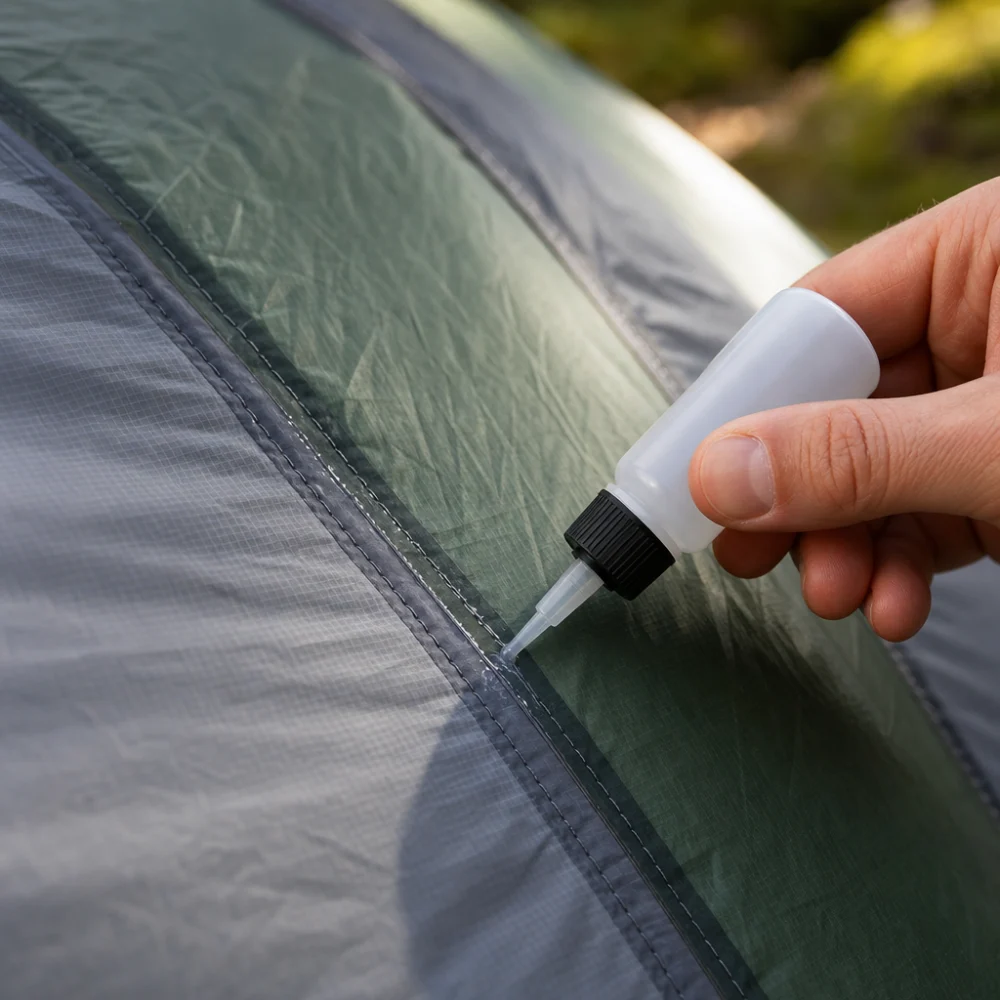
A good seam sealer should help you follow the stitch line without making a mess on the surrounding fabric. That matters if you want a neat repair or if your tent has narrow seams and tight corners. A controlled application can be more important than a product that sounds more heavy-duty on paper.
Drying and packing time
Many buyers underestimate how much drying time affects real-world use. If you need the tent ready for a trip, a sealer that requires less waiting may be more practical. If you are doing off-season maintenance, a slower process may be easier to live with.
Common types and how they differ
Within this category, the main differences usually come down to intended fabric type, application style, and whether the product is aimed at repair or routine maintenance. Because the category is focused, there may not be many dramatic variant differences, but those practical distinctions still matter.
- General-purpose seam sealers: Suitable when you need a straightforward option and the product page clearly supports your tent material.
- Repair-focused sealers: Better when the goal is to restore seams that have begun to need attention after use or storage.
- Precision application formats: Useful for small areas, detailed seams, or buyers who want more control during application.
Which type fits your needs?
| Buyer need | Likely priority | What that means in practice |
|---|---|---|
| First-time tent owner | Simple compatibility and easy application | Choose a product with clear use guidance and a manageable application style |
| Weekend camper doing light maintenance | Convenient touch-up ability | A smaller or easier-to-control option may be enough for seam upkeep |
| Frequent camper | Coverage and repeatability | Look for a product that suits regular maintenance without being overly fussy |
| Buyer resealing an older tent | Careful material match | Compatibility matters more than broad claims or generic usefulness |
Common mistakes and misunderstandings
- Using a sealer without checking the tent material. A better match starts with the fabric and coating, not with the most familiar product name.
- Buying too much or too little. Estimate whether you need spot treatment or broader seam work so the product format makes sense.
- Ignoring drying time. If you need to camp soon, application timing matters as much as the sealer itself.
- Assuming all seam sealers behave the same. Application style and finish can vary enough to change how easy the job feels.
Safety and suitability caveats
Seam sealers are for product maintenance and weather resistance support, not for guaranteeing that a tent will stay dry in every condition. Check that the product suits your tent material and follow any product-specific guidance on the package or listing. If a seam is badly damaged, sealing alone may not be enough to solve the problem.
Maintenance, storage and lifespan considerations
Seam sealers are usually best treated as part of seasonal tent care. Store the product according to its own guidance, keep lids or caps closed when not in use, and avoid assuming an opened product will remain usable indefinitely. For the tent itself, clean seams before application when needed and allow enough time for the sealer to cure fully before packing the shelter away.
How to compare options efficiently
- Identify the tent material and whether you are sealing a few seams or doing broader maintenance.
- Filter for products that are intended for that kind of use.
- Compare how the product is applied, how much control it offers, and how long it may take to dry.
- Check the product page for coverage guidance and any care notes.
- Choose the option that matches your tent, your timeline, and the amount of seam work you actually need.
Summary buyer decision checklist
- Confirm the sealer is suitable for your tent fabric.
- Decide whether you need a small touch-up or a more complete reseal.
- Compare application control and ease of use.
- Check drying or curing time against your camping schedule.
- Review any care or storage notes before buying.
Frequently asked questions
Do I need seam sealer for every tent?
Not always. Some tents may not need immediate seam treatment, while others benefit from maintenance after use or storage. The best cue is the condition of your tent seams and the guidance provided for that specific tent.
Can I use any seam sealer on any tent?
No, not safely as a buying assumption. Compatibility depends on the tent’s material and coating, so check the product page carefully before choosing. When in doubt, use the product’s stated material guidance as your filter.
Is a small bottle enough for a repair?
It depends on how much seam work you want to do. A small touch-up may need far less than a full reseal, so estimate the scope before buying. If you are unsure, compare the intended coverage or use guidance on the listing.
How do I know when seams need attention?
Visible wear, aging seam material, or signs that a seam needs refreshed support are common reasons buyers start looking at sealers. The exact timing depends on how often the tent is used and how it has been stored. If the tent is still performing well, maintenance may not be urgent.
Does application take a lot of skill?
Usually not, but control matters. A product that is easy to direct along the seam can make the job feel much simpler, especially for first-time buyers. Choosing the right application style can matter more than choosing the most technical-sounding option.
Can seam sealer fix a badly damaged tent?
It can help with seam maintenance, but it is not a cure-all for major fabric damage. If the tent has tears, failed panels, or larger structural problems, look at the broader repair need before assuming seam treatment alone will solve it.