
Hammock suspension straps are the connection between your hammock and the anchor points you set up between. For buyers, the main decision is not just whether straps fit, but whether they suit the hammock style, setup style, and carrying needs you have in mind.
If you are replacing worn gear, building a first camping hammock setup, or looking for a simpler way to hang outdoors, the details matter. Small differences in length, adjustability, hardware, and packed size can change how easy the system is to use.
This guide helps you compare those choices without overcomplicating the category. It focuses on the practical questions that affect everyday use: what kind of setup you want, how much adjustment you need, and what to verify on the product page before buying.
What should you look for in hammock suspension straps?
The best starting point is a strap system that matches your hammock, your usual hang locations, and how much setup flexibility you want. Shorter, lighter straps may be easier to pack, while longer or more adjustable straps can be more forgiving when the ideal anchor spacing is not available. Hardware can simplify setup, but simpler strap-only designs may suit buyers who want fewer parts.
Specifications vary by model, so always check the individual product page before buying.
| Feature | What It Means | Why It Matters | What To Check |
|---|---|---|---|
| Length | How much reach the straps provide from hammock to anchor point | Affects where you can hang and how flexible setup is | Whether the strap length suits the trees, posts, or stands you expect to use |
| Adjustability | How many ways the strap length can be set | Helps you fine-tune hang angle and tension | Whether the adjustment method feels simple enough for your use |
| Attachment style | How the strap connects to the hammock and anchor | Influences ease of setup and compatibility | That the connection method matches your hammock suspension points |
| Packability | How much space the straps take in a bag | Important for backpacking and compact storage | Folded size, weight, and whether extra hardware adds bulk |
| Hardware included | Any buckles, loops, clips, or connectors that come with the straps | Can simplify use but also add complexity or weight | Exactly what is included and whether any extra parts are needed |
Key decision criteria explained
Compatibility with your hammock
The most important check is whether the straps work with the hammock you already have or plan to buy. Suspension systems vary, and the wrong attachment style can make setup awkward even if the product looks similar. If you are pairing straps with an existing hammock, check the connection points and any hardware requirements before you decide.
Setup range and adjustment
Some buyers want a simple, fixed-feel setup, while others need more flexibility for different campsites. More adjustment can help when anchor points are farther apart or less ideally placed, but it can also add parts to manage. Think about whether you prefer speed, flexibility, or a middle ground.
Weight and packed size
For car camping, a slightly bulkier system may be acceptable if it is easy to use. For backpacking or any carry-conscious setup, smaller packed size and lower weight can matter more. That trade-off often comes down to whether you value convenience at camp or ease of transport.
Ease of use
Some suspension systems are intuitive right away, while others take a little practice. A simple design can be appealing if you want faster setup or plan to lend the gear to someone else. More complex hardware may offer more control, but only if you are comfortable using it consistently.
Durability and care
Straps are a wear item in the sense that they are used outdoors, packed, unpacked, and tensioned repeatedly. Buying decisions should consider how easy the straps are to inspect, clean, and store between trips. Avoid assuming that all strap systems age the same way, especially when hardware is included.
Common strap types and what they suit
Within this category, the main differences are usually about how the straps adjust and connect rather than dramatic changes in purpose. That means the right choice is often about preference and setup style.
Strap-only systems
These tend to appeal to buyers who want a straightforward setup with fewer components. They can be a good fit if you already understand your hammock connection points and do not want extra hardware. The main limitation is that adjustment options may be more limited depending on the design.
Straps with integrated hardware
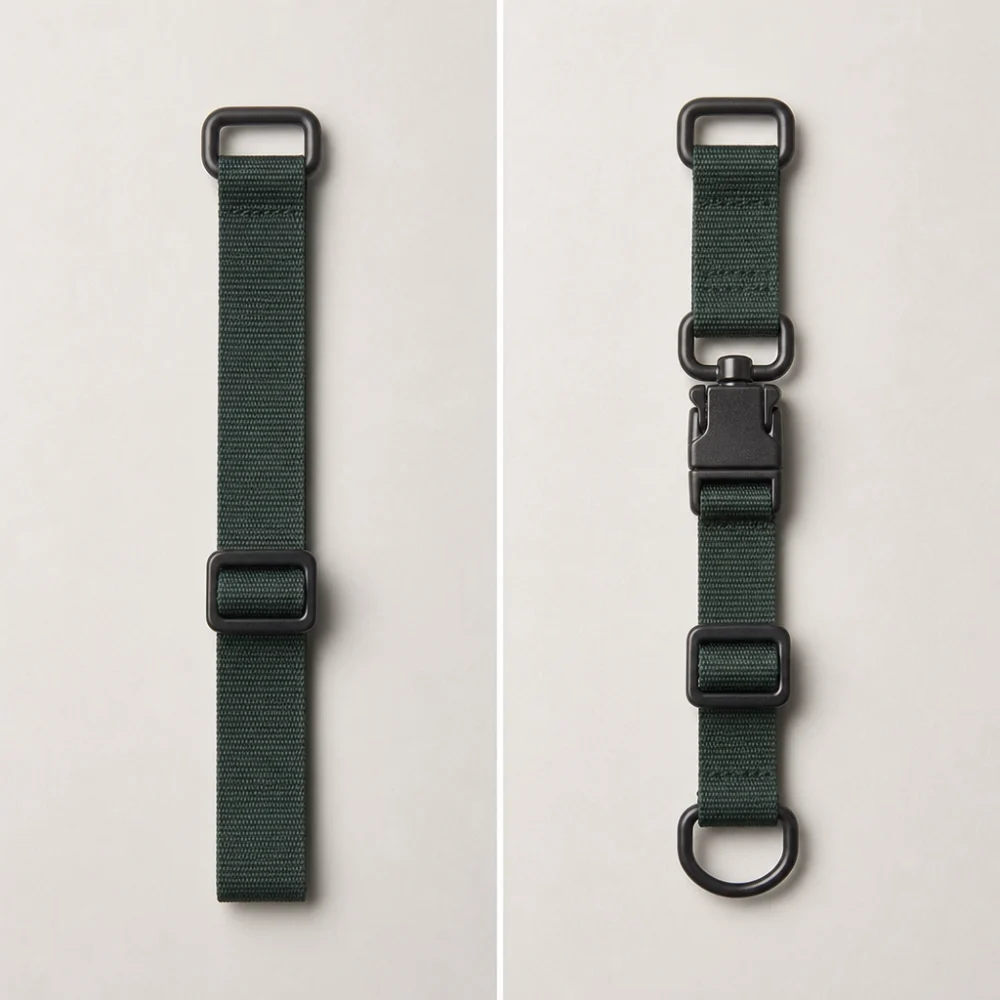
These may suit buyers who want faster connection or easier tension adjustment. They can reduce guesswork and make repeated setup simpler. The trade-off is that added parts may increase weight, bulk, or complexity.
Longer-range setups
Some buyers benefit from straps that offer more reach and more room to adapt to different anchor spacing. That can be useful for travel, varied campsites, or shared use. The trade-off is often more material to pack and carry.
Which strap features matter most for different buyers?
| Buyer need | What to prioritize | Why |
|---|---|---|
| First-time hammock buyer | Simple attachment, clear adjustment, easy setup | Reducing confusion matters more than having extra features |
| Backpacker | Compact pack size, lower carried bulk, efficient use | Every ounce and inch in the pack can matter |
| Car camper | Ease of use, flexibility, comfortable setup | Transport space is usually less restrictive |
| Replacement shopper | Compatibility with the existing hammock | The new straps need to work with what you already own |
| Frequent traveler | Adaptability to different hang points | Different sites may require more range and adjustment |
Common mistakes and misunderstandings
- Choosing by looks alone: two straps can appear similar but use different connection methods. Check the attachment style first.
- Ignoring setup range: a strap that is too short or too limited can make hanging harder than expected. Think about the places you actually use.
- Overvaluing extra hardware: more pieces are not automatically better. If you want a simple setup, fewer parts may be easier to manage.
- Forgetting carry needs: a convenient camp setup can still be awkward to pack. Match the product to your travel style.
- Assuming all hammocks fit the same way: suspension points and setup styles can differ. Verify compatibility instead of relying on category labels alone.
Safety and suitability caveats
Buy straps that are intended for the kind of hammock use you have in mind, and check the individual product information carefully before relying on them. Because use conditions vary, anchor spacing, attachment method, and the rest of your setup all matter. Keep in mind that outdoor gear should be inspected regularly for wear and stored in a dry place between trips.
Maintenance, storage, and lifespan considerations
Simple care habits can help suspension straps stay usable longer. Let them dry before storage if they get wet, keep them free of grit when possible, and avoid stuffing them away while muddy or damp. If the system includes hardware, it is worth checking that moving parts and connection points still look and feel normal before the next outing.
Some buyers prefer straps that are easy to rinse or wipe clean, while others care more about compact packing. Those priorities can matter as much as the strap design itself, especially if the gear will be used often.
How to compare options efficiently
- Start with your hammock type and how you plan to use it.
- Choose the strap style that matches your preferred level of simplicity or adjustability.
- Compare length, packed size, and connection method.
- Check what hardware is included and whether anything extra is needed.
- Read the individual product page closely before buying.
Summary buyer decision checklist
- Does the strap system match your hammock’s attachment style?
- Is the length suitable for the places you expect to set up?
- Do you want a simple strap-only setup or one with hardware?
- Is packed size important for your kind of trip?
- Have you checked what is included with the straps?
- Does the product page give enough detail for your intended use?
Frequently asked questions
Are hammock suspension straps the same as tree straps?
People sometimes use those terms loosely, but product listings can still vary in how they define the system. The important part is whether the straps and attachment method suit your hammock and setup. Check the product page rather than assuming every term means the same thing.
Do I need hardware with hammock straps?
Not always. Some buyers prefer simpler strap-only setups, while others like the convenience of built-in hardware or connectors. The right choice depends on how much ease, adjustability, and extra bulk you want to manage.
What matters more: length or adjustability?
Both matter, but in different ways. Length gives you reach, while adjustability gives you control over where and how the hammock hangs. If you are unsure, look for a balance that fits the places you expect to use it most often.
Can I use any straps with any hammock?
Not safely or sensibly by assumption. Compatibility depends on the hammock’s suspension points and the strap’s connection style. Always verify the product details before pairing them together.
Are lighter straps always better?
Not necessarily. Lower weight can be useful for carry-focused trips, but a very minimal strap may offer less convenience or flexibility. Choose the lightest option that still matches your practical setup needs.
How should I think about replacement straps?
If you are replacing old suspension gear, focus on matching the attachment method and use case first. It is easy to buy straps that seem similar but feel different in actual use. The safest approach is to compare the old setup with the product details side by side.