
Protective eyewear for target sports is about more than just covering your eyes. The right pair should suit your activity, fit your face comfortably, and work well with the rest of your gear without distracting you once you start playing or practicing.
This category is especially useful for buyers who want a clear way to compare styles, lens features, and fit details before choosing. It can also help if you are replacing an older pair or shopping for someone else and want to avoid common fit and comfort mistakes.
Because this is a practical safety-focused accessory category, the main buying question is not which pair sounds most impressive, but which one matches your use case and face shape well enough to wear consistently.
What should you look for in protective eyewear?
Start with fit, coverage, and compatibility with your activity. A pair that sits securely, feels comfortable for longer wear, and provides the right style of coverage for your chosen sport is usually more useful than one with extra features you do not need. Comfort matters because eyewear that slips, pinches, fogs easily, or interferes with other gear is less likely to be worn properly.
Next, compare lens and frame details, because those affect visibility, durability, and day-to-day usability. Specifications vary by model, so always check the individual product page before buying.
| Feature | What It Means | Why It Matters | What To Check |
|---|---|---|---|
| Fit and seal | How well the eyewear sits on your face and stays in place | Comfort and stability affect whether you can wear it correctly | Face shape, strap adjustment, pressure points, and whether it works with your other gear |
| Coverage | The amount of area around the eyes the design is meant to cover | More complete coverage can improve suitability for active use | Lens shape, frame design, and how the eyewear sits against the face |
| Lens style | Clear, tinted, or other lens options depending on the model | Different environments call for different visibility preferences | Intended use, lighting conditions, and whether the lens type suits your setting |
| Fog resistance features | Design choices intended to reduce lens fogging | Fogging can make eyewear frustrating to wear | Ventilation, lens construction, and any model-specific anti-fog details |
| Compatibility with other gear | Whether the eyewear works comfortably with helmets, masks, or headwear | Poor compatibility can change fit and reduce comfort | Frame profile, strap position, and space around the temples and nose |
| Maintenance needs | How much cleaning and care the eyewear requires | Simple upkeep helps preserve visibility and comfort | Lens cleaning instructions, storage needs, and whether replacement parts are available |
Key decision criteria explained
Fit and comfort
Fit is usually the first thing to get right. Protective eyewear should stay put without creating pressure points, and it should feel stable enough that you are not adjusting it constantly. If you wear it for long sessions, even a small fit problem can become annoying very quickly.
Check how the frame shape sits on your nose, cheeks, and temples, and think about whether you will wear it with other equipment. A style that feels fine by itself may feel different once paired with a hat, helmet, or face covering.
Lens choice
Lens choice affects how the eyewear works in your usual environment. Clear lenses are often chosen when you want the least change to natural visibility, while tinted options may suit brighter conditions. The right choice depends on where and when you expect to use them, not on appearance alone.
Look for a lens style that matches your typical lighting and activity rather than trying to cover every possible situation with one pair.
Coverage and frame design
Different designs create different balances between coverage, airflow, and compactness. A more enclosing shape may feel more secure for some users, while a slimmer design may be easier to pair with other equipment. The trade-off is usually between broader coverage and the comfort or convenience of a lighter, more open feel.
Think about how much of the face the design is intended to cover and whether that matches the way you play or practice.
Fog management
Fogging is one of the most common frustrations with protective eyewear. Designs that manage airflow or reduce moisture buildup can be more comfortable to wear, especially during active use. That said, no feature can eliminate fogging in every condition, so it helps to treat fog management as a support feature rather than a guarantee.
If fogging has been an issue for you before, prioritize model details that address it and avoid choosing on style alone.
Compatibility with your other gear
Protective eyewear should work as part of a full setup, not in isolation. If you use headgear, hearing protection, or a face covering, make sure the eyewear does not create pressure or shift out of place when everything is worn together. This is especially important for buyers who already know their setup can be bulky around the temples or cheeks.
Types and variants you may see
Within this category, the main differences usually come from design shape, lens style, and how enclosed the frame is. Some options aim for a lighter, more open feel, while others prioritize more coverage or a closer fit around the face.
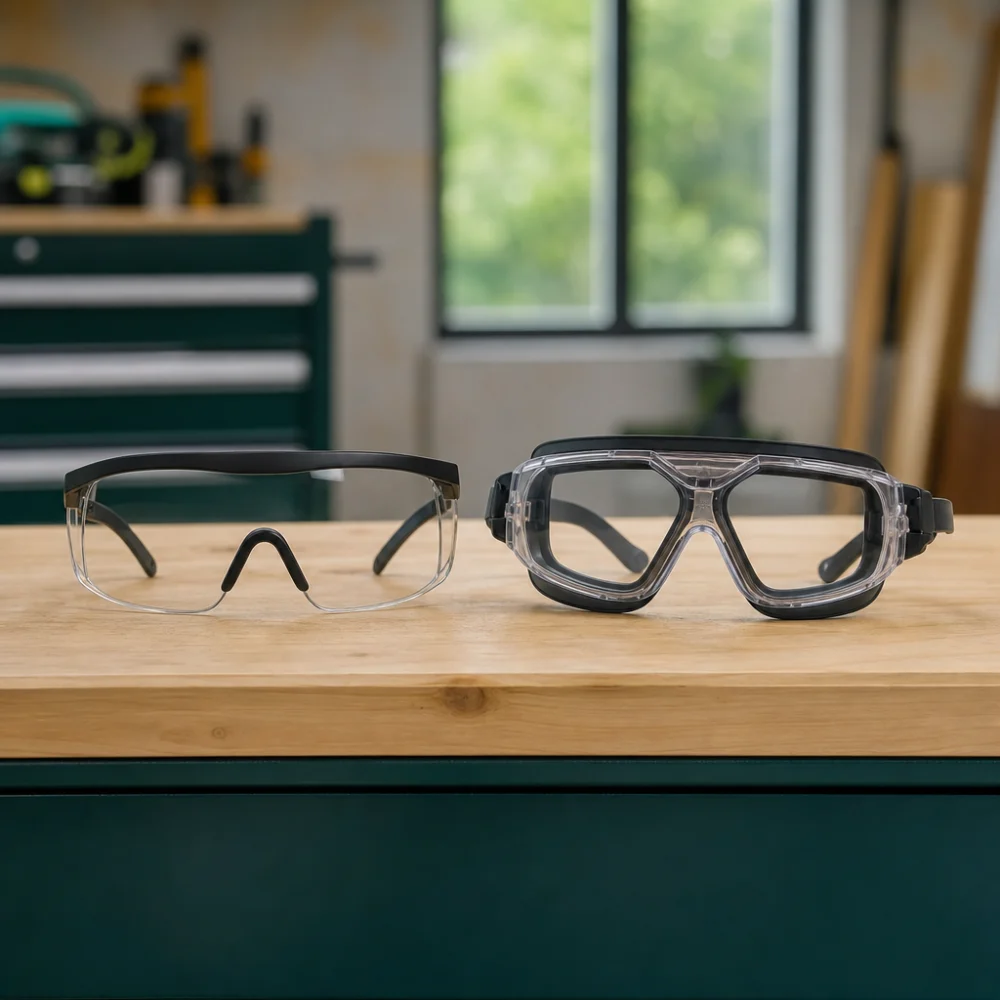
A simpler style may suit casual use or buyers who want an easier everyday option. A more enclosed style may appeal to users who want a more secure feel, but it can also change airflow and comfort. The best choice depends on whether you value openness, coverage, or compatibility more.
Which option fits your needs?
| Buyer need | What to prioritize | What to watch out for |
|---|---|---|
| First-time buyer | Comfort, simple fit, and straightforward lens choice | Overlooking whether the eyewear feels comfortable for longer wear |
| Frequent player | Stable fit, fog management, and gear compatibility | Choosing a style that looks good but is inconvenient in active use |
| Gift buyer | Adjustability and broadly usable design | Assuming one size or style works the same for everyone |
| Replacement shopper | Matching the use case and improving the weak point in the old pair | Buying the same style again without checking why the last pair was not ideal |
Common mistakes to avoid
- Choosing by appearance alone: A stylish frame is less useful if it pinches, slips, or does not work with your other gear.
- Ignoring lens choice: The wrong lens style for your environment can make visibility less comfortable than expected.
- Overlooking fogging concerns: If fog was a problem before, make that a buying factor rather than an afterthought.
- Assuming all fits are similar: Small differences in frame shape can make a big difference in comfort.
- Forgetting how you will use them: A pair that works for brief wear may not be the best choice for longer sessions.
Safety and suitability caveats
Protective eyewear should always be chosen for the specific activity you plan to do, and it should be checked against the product page details rather than assumed suitable from category name alone. Because fit and coverage vary by model, there is no single design that suits every user or every setup.
If you need eyewear for a particular sport, team setting, or layered gear setup, confirm that the shape and lens style make sense for that use before buying.
Maintenance and storage
Most protective eyewear benefits from gentle cleaning, careful storage, and avoiding unnecessary scratches on the lens. Keeping the lens clear matters not just for appearance, but for everyday usability.
Think about how easy the eyewear is to wipe clean, how it stores in a bag or case, and whether replacement components or care guidance are mentioned on the product page. A simpler care routine is often a practical advantage for frequent use.
How to compare options efficiently
- Identify your main use case and how often you expect to wear the eyewear.
- Decide whether comfort, coverage, lens style, or compatibility matters most.
- Compare the frame shape and fit details first, then review lens and fog-management features.
- Check whether the design works with the rest of your gear.
- Read the individual product page closely before deciding.
Summary buyer decision checklist
- Does the fit seem comfortable for your face shape and planned use?
- Does the lens style match your usual lighting conditions?
- Will it work with your other gear without constant adjustment?
- Is fog management a priority for your use case?
- Are the care and storage needs easy to handle?
- Have you checked the product page for the specific details that matter to you?
Frequently asked questions
How do I choose the right size or fit?
Start with the fit notes on the product page and think about whether you need room for other gear. The right pair should sit securely without causing obvious pressure points or slipping during normal movement.
Are tinted lenses better than clear lenses?
Not always. Tinted lenses can be more comfortable in brighter conditions, while clear lenses are often preferred when you want the least change to visibility. The better choice depends on when and where you plan to use them.
What matters more, coverage or comfort?
Both matter, but comfort often decides whether you actually keep wearing the eyewear. A design that looks protective but is uncomfortable can become a poor choice in practice.
How important is fog resistance?
Very important if you have had fogging problems before or expect active use. It is helpful to compare fog-management details, while remembering that no product can promise perfect performance in every condition.
Can I use the same eyewear with other protective gear?
Sometimes, but compatibility should be checked rather than assumed. Frame shape, strap position, and how the eyewear sits with helmets or face coverings can all affect comfort.
What should I replace first on an older pair?
If the lens is scratched, the fit is no longer stable, or the design no longer works with your setup, replacement is usually the practical answer. If only the comfort or fogging bothers you, compare those features first in a new option.