
Equipment storage bins help keep outdoor gear, seasonal items, tools, and other bulky contents organized in one place. The right bin can make it easier to sort, stack, carry, and find what you need without creating extra clutter.
Because bins vary a lot in shape, closure style, material, and capacity, the best choice depends on what you plan to store and where the bin will live. A good buying decision starts with the gear itself: long items, damp items, fragile items, and frequently accessed items may all need different storage features.
This guide focuses on the practical differences that matter before you buy. It is meant to help you compare options quickly and avoid paying for features that do not fit your space or your gear.
Compare Equipment Storage Bins


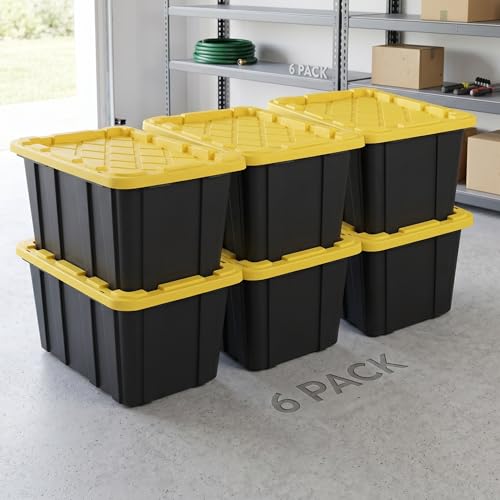


As an Amazon Associate we earn from qualifying purchases.
What should you look for in equipment storage bins?
The best starting point is to match the bin to the job. Think about the size of the gear, how often you need access, whether the bin will be stacked, and whether you need a lidded bin or a more open tote-style option. A slightly larger or sturdier bin can be useful, but only if it still fits your storage area and is easy to handle when full.
Specifications vary by model, so always check the individual product page before buying.
| Feature | What It Means | Why It Matters | What To Check |
|---|---|---|---|
| Size and shape | The overall dimensions and interior layout of the bin | Determines what fits, how neatly items stack, and whether the bin works in your storage space | Interior capacity, opening size, and whether long or awkward items fit easily |
| Material and rigidity | How solid the bin feels and how well it holds shape under load | Affects durability, stackability, and how much protection the bin offers | Whether the bin is rigid or flexible, and how it is intended to be used |
| Lid and closure style | How the bin closes, locks, or seals | Changes how secure, dust-resistant, and convenient the bin is to use | Type of lid, latch design, and whether you need quick access or a tighter close |
| Stacking and nesting | Whether bins can be stacked for storage or nested when empty | Helps save space and organize multiple bins more efficiently | Shape of the rim, base, and sidewalls; any stacking guidance from the product page |
| Handles and portability | Features that make the bin easier to lift and move | Important if you carry gear between rooms, vehicles, or storage areas | Handle placement, grip comfort, and whether the bin is practical when full |
| Ventilation and exposure | Whether the bin is more open or more enclosed | Can matter for gear that may need airflow or for items you want to keep covered | Open-top versus lidded design and any venting information provided |
Key decision criteria
Capacity and fit
Capacity is not just about volume. The opening shape matters too, because a bin with enough space on paper may still be awkward for helmets, folded clothing, bulky accessories, or long gear. Look for dimensions that suit the items you actually store, not just the total size of the bin.
Material strength
Some buyers mainly need light household organization, while others need a bin that will be moved often or stacked under load. A firmer structure usually gives a more predictable stacking experience, while a softer bin may be easier to handle when empty but less stable when filled. The trade-off is usually between convenience and structural support.
Lid style and access
If you access the contents often, a simple lid that opens quickly may be more practical than a tightly closing design. If the bin is staying in storage for longer periods, closure style may matter more than instant access. Decide whether ease of use or protection is the bigger priority for your situation.
Stacking, nesting, and storage footprint
Space efficiency is often one of the main reasons to choose bins in the first place. Bins that stack cleanly can help in garages, closets, sheds, or utility rooms, while nesting bins can save room when they are not in use. Check whether the shape stays stable when stacked and whether the bin still fits on your shelf or floor space once filled.
Handling and mobility
If you expect to move the bin often, handles and weight distribution matter. A bin that is easy to lift when empty may be much harder to manage when full of gear. Consider whether you will carry it by hand, load it into a vehicle, or mostly leave it in one place.
Common product types and variants
Equipment storage bins usually differ more by design than by a strict product hierarchy. The main choices are open bins, lidded bins, more rigid stackable bins, and bins that are shaped for easier carrying or organizing.
- Open bins or totes: Useful for quick access and frequent sorting, but they offer less covering and protection from dust.
- Lidded bins: Better when you want contents covered or grouped for longer storage, though they take a little longer to access.
- Rigid stackable bins: Helpful when space is tight and you want a more uniform storage system.
- Portable bins: A practical choice if you move gear between storage areas, vehicles, or activity locations.
Not every bin is designed for the same use, so the best choice depends on whether you care more about access, protection, stacking, or portability.
Which bin suits which buyer?
| Buyer need | Helpful features | Why it helps |
|---|---|---|
| Frequent access | Easy-open lid, clear opening, manageable size | Makes it simpler to take items out and put them back often |
| Long-term storage | Lid, stable shape, stackable design | Helps keep gear contained and easier to organize over time |
| Tight storage space | Uniform sizing, stackability, nesting when empty | Uses shelves, closets, or floor space more efficiently |
| Carrying gear around | Comfortable handles, balanced shape, not overly bulky when full | Improves day-to-day handling and reduces awkward lifting |
| Mixed small items | Dividers, separate bins, or a shape that prevents contents from spreading out | Helps keep accessories sorted instead of creating one large jumble |
Common mistakes and misunderstandings
Buying by overall size alone. A large bin is not automatically better if the opening is awkward or the shape does not suit your gear. Check both capacity and usable interior space.
Assuming all lids do the same job. Some lids are mainly for coverage and organization, while others are meant for a firmer closure. Think about how often you will open the bin and how secure you want it to feel.
Ignoring how the bin will be stored. A bin that works on an open floor may not work on a shelf, under a bench, or in a vehicle. Measure the intended storage spot before you decide.
Overlooking handling when full. A bin that seems easy to carry when empty may be cumbersome once loaded. Handles, shape, and weight distribution matter more than many shoppers expect.
Safety and suitability caveats
Equipment storage bins are a simple category, but suitability still depends on the contents. If you are storing heavy, sharp, wet, dusty, or delicate items, make sure the bin style matches those conditions. For items that need airflow, a fully enclosed bin may not be the right fit.
If the bin will be stacked, confirm that the product page supports that use and that the shape appears stable enough for your space. Do not assume every bin is meant for the same type of load or environment.
Maintenance and storage considerations
Most bins are easiest to keep in good condition when they are not overloaded and when the contents are cleaned or dried before storage. That matters especially for outdoor gear or anything that can hold moisture, odor, dirt, or sand.
Consider whether you want a bin that wipes clean easily, whether it will sit in a garage or shed, and whether it needs to be lifted frequently. Bins that are simpler to clean and store tend to stay useful longer because they are easier to keep organized.
How to compare options efficiently
- Identify what you will store and whether the bin is for daily access or longer-term organization.
- Choose the general style first: open, lidded, rigid, or more portable.
- Check the size, opening shape, and handling features against your space and your gear.
- Compare the trade-offs between access, protection, stackability, and portability.
- Read the individual product page carefully for any model-specific details before deciding.
Summary buyer decision checklist
- Will the bin fit the items you actually plan to store?
- Is the opening shape practical for loading and removing gear?
- Do you need a lid, and how often will you access the contents?
- Will it stack, nest, or fit the space where you plan to use it?
- Are the handles, rigidity, and overall shape suitable for carrying or lifting?
- Does the bin style match the condition of the contents, such as dry, dusty, or frequently used gear?
Frequently asked questions
Are equipment storage bins better than simple open totes?
They can be, if you want more structure, stacking ability, or a better way to keep gear grouped together. Open totes may be fine for quick access, but bins with lids or firmer sides often work better for long-term organization.
Should I choose a rigid bin or a lighter-weight bin?
Rigid bins usually make more sense when you want stacking support or a more stable shape. Lighter bins can be easier to move and store when empty, but they may not hold their form as well under load.
What size bin should I buy?
Start with the largest item you expect to store, then think about how the bin will be lifted, stacked, or placed on a shelf. A bin that is too large can waste space, while one that is too small can make sorting and access frustrating.
Do I need a lid on every storage bin?
No. A lid is useful when you want contents covered, stacked, or stored for longer periods, but it can slow access. If you open the bin often, an easier-access design may be more convenient.
Can I use the same bin for different types of gear?
Yes, as long as the contents make sense together and the bin still fits your space. Many buyers prefer separate bins for different categories of gear because it makes finding items faster and keeps storage tidier.
How do I know if a bin will work for stacking?
Look for a shape that appears designed to sit securely on top of another bin and check the product details for any stacking guidance. A flat top alone is not always enough; the rim and base shape matter too.
More Equipment Storage Bins
See all 120 Equipment Storage Bins →

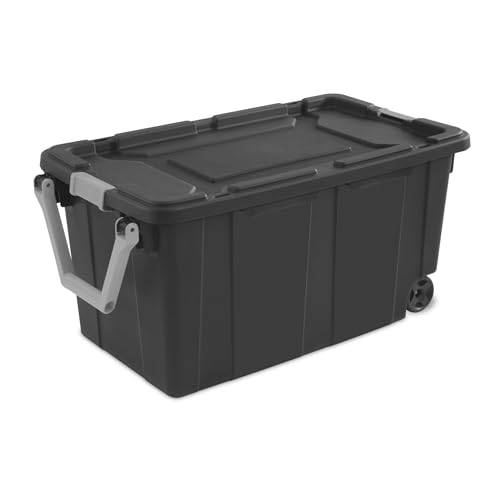


As an Amazon Associate we earn from qualifying purchases.