
Air mattress repair kits are for fixing common problems such as slow leaks, punctures, seam issues, and small valve-area damage on inflatable sleeping surfaces. The right kit depends on the material of the mattress, the size and location of the damage, and whether you want a temporary patch or a more durable repair.
If you are choosing for camping, guest use, or backup bedding, it helps to think first about what kind of fix you actually need. Some kits are simple patch-and-seal options, while others are meant for more involved repairs that take more time and preparation. Specifications vary by model, so always check the individual product page before buying.
What should you look for in an air mattress repair kit?
The safest starting point is a kit that matches the material and repair style of your mattress. A repair that works well on one inflatable surface may not bond as well on another, especially if the mattress has a coated surface or a specialized seam construction. The main trade-off is usually between speed and durability: quicker fixes are easier to use, while more complete repair methods may take more effort but hold up better.
| Feature | What It Means | Why It Matters | What To Check |
|---|---|---|---|
| Repair method | Patch, adhesive, sealant, or a combination | Different damage types call for different approaches | Whether the kit is meant for punctures, seams, or general leaks |
| Material compatibility | How well the repair product bonds to the mattress surface | Compatibility affects how dependable the fix is | Any listed compatible materials or surface limits |
| Repair area | The size and location of the damaged spot | Small holes, edge damage, and valve-area issues are not the same | Whether the kit addresses the part of the mattress you need to repair |
| Ease of use | How much prep and drying time the repair requires | Convenience matters if you need a practical fix before the next trip or guest stay | Surface preparation, cure time, and whether tools are included |
| Repair permanence | Whether the kit is intended as a temporary or longer-term fix | Some repairs are better for immediate use, others for more lasting results | Any guidance on expected use after repair |
Key decision criteria
Damage type
Start by identifying whether you are dealing with a puncture, a seam leak, a slow loss of air, or damage near the valve. A tiny hole and a seam separation are not the same problem, so a general patch may not be the best answer in every case. If the leak is hard to locate, a kit alone may not solve the first step of the problem, which is finding the damaged area.
Surface material
Air mattresses may use different surface finishes and internal constructions, and repair products are not all equally suitable for each one. A kit that bonds well to one style of inflatable material may be less effective on another. Look for any compatibility notes and avoid assuming that any patch or adhesive is universal.
Repair size and coverage
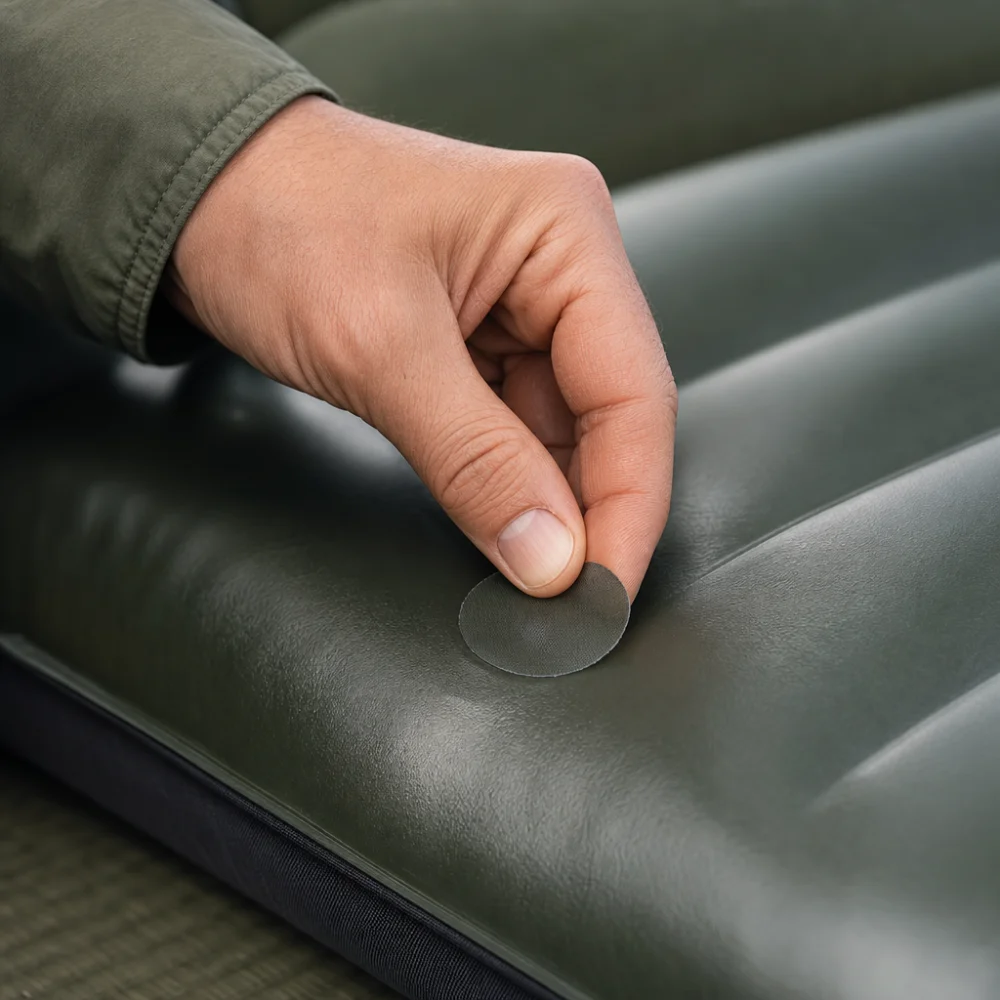
Think about both the size of the damaged area and whether you want a small localized fix or broader coverage. Larger patches can be useful for bigger tears, but they may feel more noticeable on the mattress surface. Smaller repair materials can be discreet, but they may not suit every kind of damage.
Drying or curing time
Some repair methods need time before the mattress can be inflated and used again. That matters if you need the mattress ready soon for camping or overnight visitors. If speed matters, check how much prep is involved and whether the repair is meant for immediate sealing or for a longer cure.
Types of repair kits and when they may fit
Most air mattress repair kits fall into a few practical groupings. Simple patch kits are often used for visible punctures. Adhesive-focused kits may be chosen when the repair needs a stronger bond or more flexibility. Sealant-style products may be helpful for certain leak situations, but they are not a universal answer for every mattress problem.
Some kits are very basic and are meant for small, obvious damage. Others include multiple pieces or steps so the repair can be adapted to the issue at hand. The right choice is less about having the most parts and more about matching the repair approach to the actual problem.
Which kit fits which kind of buyer?
| Buyer need | What usually matters most | What to favor | Trade-off to accept |
|---|---|---|---|
| Fast fix for occasional use | Ease and speed | Simple patching and straightforward application | May not be the longest-lasting option |
| More dependable repair | Bond strength and surface match | Compatibility guidance and fuller repair method | May take more prep and drying time |
| Repairing a large tear | Coverage and patch size | Larger repair pieces or broader coverage approach | The repaired area may be more noticeable |
| Guest bedding backup | Convenience and readiness | A kit that is simple to store and easy to use when needed | May be less specialized for complex damage |
Common mistakes to avoid
- Choosing a repair product without checking whether it suits the mattress material.
- Using a small patch for damage that is too large or too close to a seam.
- Assuming a quick fix is the same as a long-term repair.
- Ignoring the prep steps, which can affect how well the repair bonds.
- Buying a kit for the wrong problem, such as using a patch when the issue is better addressed another way.
Safety and suitability caveats
Always confirm that the repair method is appropriate for the specific mattress surface and damage location. If the leak is near a valve, seam, or structural edge, extra caution is sensible because those areas can be harder to repair well. For a mattress used by children or as an overnight guest bed, a reliable repair matters more than a fast cosmetic fix.
Maintenance, storage and lifespan considerations
Repair kits are easiest to use when stored clean, sealed, and ready for the next problem. Adhesives and similar materials can be sensitive to air exposure or age, so check any guidance on storage and shelf life on the individual product page. After a repair, the mattress may still need gentle handling, especially if the fix is on a flexing or high-stress area.
How to compare options efficiently
- Identify the problem: puncture, seam leak, valve-area issue, or general air loss.
- Match the repair style to that problem.
- Check material compatibility and any surface limitations.
- Compare how much prep, drying, or curing time each option needs.
- Decide whether you want a quick temporary fix or a more durable repair approach.
- Review the individual product page for the exact contents and use guidance.
Summary buyer decision checklist
- Does the kit match the kind of damage you need to repair?
- Is it suitable for your mattress material or surface type?
- Does it include enough coverage for the damaged area?
- Will the repair method fit your timeline and patience level?
- Is the intended use temporary, practical, or more durable?
- Have you checked the individual product page for the exact contents and limits?
Frequently asked questions
Can one repair kit work for every air mattress?
Usually not. Different mattresses can use different materials and construction methods, and repair products are not equally effective on all of them. It is better to match the kit to the surface and the type of damage.
What is the difference between a patch kit and an adhesive kit?
A patch kit focuses on covering the damaged spot, while an adhesive kit may be part of a broader bond-and-seal approach. The better choice depends on whether you are fixing a small puncture or dealing with a repair that needs more than a simple cover-up.
Are repair kits meant for temporary or long-term fixes?
They can be either, depending on the product and the problem being repaired. Some are best treated as practical short-term solutions, while others are intended for more durable use. Check the product details for the intended repair style.
What if I cannot find the leak right away?
A repair kit helps after the problem area is identified, but it does not always solve leak detection by itself. If the leak is slow or hard to locate, you may need a separate method to find it before choosing the repair.
Do bigger patches always work better?
Not always. A larger patch may be useful for larger damage, but it can also be more noticeable and may be unnecessary for a small puncture. The right size is the one that fits the actual repair area.
Should I buy a kit with multiple repair materials?
That can be helpful if you want flexibility, but more pieces do not automatically mean a better repair. The main question is whether the kit includes the method that fits your mattress and the kind of damage you are dealing with.
How important is drying or curing time?
It matters a lot if you need the mattress back in use quickly. Faster products can be more convenient, but they are not always the most durable option. Balance speed against the kind of repair you want.