
Tent pole repair sleeves are a simple category, but choosing the right one still depends on the pole you need to support and the way you plan to use the tent. They are often considered when a tent pole is bent, cracked, or split and you need a way to keep the shelter usable.
Because tents and pole sets vary, the main buying question is not just “does it repair a pole?” but “will it fit the pole you have, and is it meant for a temporary fix or a more durable solution?” That distinction matters for backpacking, car camping, and emergency repairs alike.
Specifications vary by model, so always check the individual product page before buying.
What should I look for in a tent pole repair sleeve?
Start with fit, then look at how the sleeve is meant to be used. A sleeve that is too small will not slide over the damaged section, while one that is too large may not support the pole securely. The best starting point is to match the sleeve to the pole diameter and the extent of the damage, then decide whether you want a lightweight field fix or a sturdier repair option.
The main trade-off is convenience versus stability. A quick sleeve can get a tent back in service, but it may add bulk at the repair point and may not be ideal as a long-term replacement for a damaged pole segment.
| Feature | What It Means | Why It Matters | What To Check |
|---|---|---|---|
| Fit | How well the sleeve matches the pole size and damaged area | Poor fit reduces support and can make the repair awkward | Compatibility with the pole diameter and the length of the broken section |
| Material | The sleeve material and how rigid it is | Material affects support, weight, and how the repair feels in use | Whether the material suits your tent’s pole style and intended use |
| Length | How much of the pole the sleeve covers | More coverage can help support a wider damaged zone | Whether the sleeve is long enough to bridge the problem area |
| Portability | How easy it is to pack and carry | Compact repairs are easier to keep in a repair kit or pack | Packed size and whether it fits your repair kit or backpack |
| Repair role | Whether it is intended as a temporary fix or a more lasting support | Different situations call for different expectations | Product description and intended use on the product page |
Key decision criteria
Pole size and compatibility
The most important question is whether the sleeve will fit your pole. Tent poles can differ by tent style and manufacturer, so the sleeve should match the diameter and the section that needs support. If you are not sure, compare the damaged pole section with the product details before buying.
How severe the damage is
Some sleeves are better for minor cracks or splintering, while others are more useful when a section needs external support after a bend or break. The more severe the damage, the more important it is to confirm that the sleeve can bridge the problem area securely. If the pole has collapsed or is badly deformed, a sleeve may be only part of the solution.
Length and support area
A longer sleeve can spread support over a wider section, which may help if the damage is not concentrated in one tiny spot. But extra length can also add bulk and may feel less convenient in a compact repair kit. Choose the shortest sleeve that still covers the damaged section with enough overlap to be useful.
Field repair versus replacement planning
Some buyers want a fast fix for a trip, while others want a repair part to keep on hand until a more complete replacement can be arranged. A repair sleeve is often most useful when you want to keep camping or finish a trip without immediate full replacement. If you need a permanent solution, check whether the rest of the pole is still in usable condition.
Common tent pole repair sleeve types
Within this category, the meaningful differences are usually about size, rigidity, and intended use rather than dramatic product variety. Some sleeves are designed to be compact and easy to carry, while others focus more on support.
- Compact repair sleeves: Better for repair kits and occasional emergency use.
- More substantial sleeves: Better when the damage area needs broader support.
- Temporary field-fix sleeves: Useful for getting through a trip, with less emphasis on long-term use.
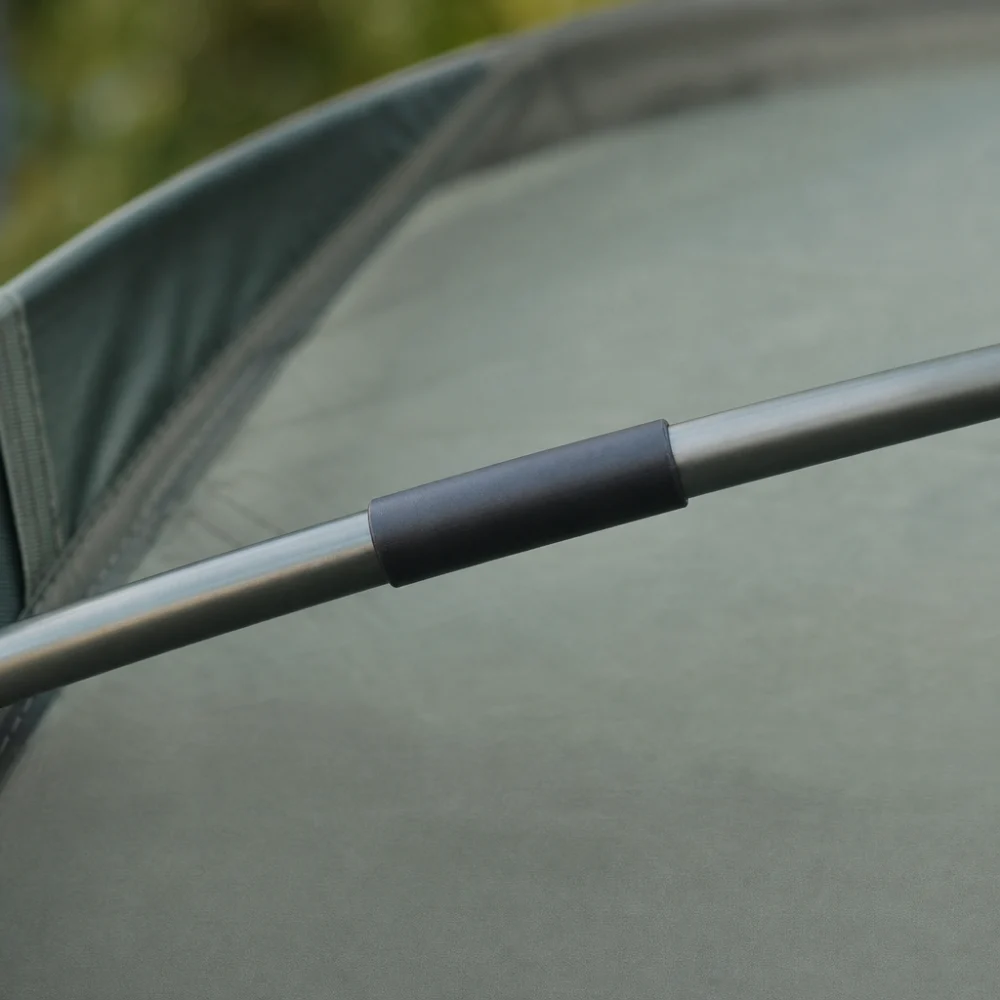
Which sleeve suits which kind of buyer?
| Buyer need | What to prioritize | Why it matters |
|---|---|---|
| Backpacking and small repair kits | Compact size and easy storage | Space and weight are more noticeable when every ounce matters |
| Car campers | Support and convenience | Pack size matters less, so a sturdier option may be easier to keep on hand |
| Emergency trip repair | Fast fit and clear compatibility | Speed matters if you need to get the tent usable quickly |
| Keeping an older tent usable | Coverage over the damaged section | You may need a sleeve that can support a known weak point for a while |
Common mistakes to avoid
- Assuming one size fits all: Always check the pole dimensions and the damaged section rather than relying on general tent compatibility.
- Choosing by size alone: A sleeve must fit well and also provide enough support for the type of damage.
- Expecting a sleeve to solve every problem: Some pole damage may still require replacement instead of repair.
- Forgetting to think about storage: A repair part that is hard to carry is less useful when you actually need it.
Safety and suitability caveats
A tent pole repair sleeve is a practical gear item, but it is still only one part of a shelter system. Make sure the repair you choose is suitable for your tent’s pole design and for the conditions you expect to face. If the pole or tent structure is badly compromised, use caution and treat the repair as temporary until you can assess the rest of the setup.
Maintenance, storage and lifespan considerations
Repair sleeves usually do not need complicated maintenance, but they should be stored where they will not bend, scratch, or get lost in a packed kit. Keep the sleeve with your tent repair items so it is easy to find in an emergency. If it is part of a broader repair kit, check it periodically for wear or deformation before a trip.
How to compare options efficiently
- Identify the exact tent pole problem you are trying to address.
- Check whether the sleeve fits the pole size and the damaged area.
- Compare how much support each option offers versus how much space it takes up.
- Decide whether you need a quick field fix or a more durable repair aid.
- Read the individual product page carefully before buying.
Summary buyer decision checklist
- Does the sleeve match the pole size you need to repair?
- Will it cover the damaged section with enough overlap?
- Is it meant for temporary support or longer use?
- Will it fit in your repair kit or pack?
- Does the product page clearly explain its intended use?
Frequently asked questions
Are tent pole repair sleeves a permanent fix?
Not always. Many are best thought of as a practical support option that can help keep a tent usable, especially during a trip. If the pole damage is serious, a replacement may still be the better long-term answer.
How do I know if a sleeve will fit my tent pole?
Check the pole diameter and compare it with the product information on the individual page. It also helps to think about where the damage is located, since a sleeve needs enough room to cover the affected section.
Can I use a repair sleeve on a bent pole?
Sometimes, if the sleeve can support the bent area securely and the pole is still structurally usable. The exact result depends on the severity and shape of the bend, so review the product details carefully.
Should I carry a repair sleeve when camping?
If you rely on your tent in the field, it can be a smart item to keep in a repair kit. A small repair part can be useful when a pole issue would otherwise end the trip early.
Do I need to replace the whole pole if one section is damaged?
Not necessarily. A sleeve may be enough for some damage, but a badly compromised pole may still need replacement. Compare the cost and convenience of repair against the condition of the pole overall.
What matters more, length or fit?
Fit comes first because the sleeve has to work with the pole you already have. After that, length matters because the sleeve needs enough coverage to support the damaged area.