
Bow sights are a small part of an archery setup, but they can make aiming feel much more consistent. The right choice depends on how you shoot, how much adjustability you want, and whether you prefer a simple setup or a more feature-rich one.
This guide focuses on the buying decisions that matter before you compare individual products. It is meant to help you narrow the field, understand common sight styles, and avoid buying based on features you do not actually need.
If you are replacing an older sight, it also helps to think about how the new one will fit your bow and your shooting habits. Specifications vary by model, so always check the individual product page before buying.
What should you look for in a bow sight?
The best starting point is the sight style you are most comfortable using, followed by how much adjustability you want and how clearly you need to see the aiming point. A simpler sight can be easier to learn and maintain, while a more adjustable sight may give you more flexibility as your setup changes. The main trade-off is usually simplicity versus fine-tuned control.
| Feature | What It Means | Why It Matters | What To Check |
|---|---|---|---|
| Sight style | The general design and aiming layout | Shapes how quickly you can acquire the target and how easy the sight is to understand | Whether you want a simpler or more adjustable layout |
| Adjustability | How much you can move or tune the sight | Affects how precisely you can set your aiming point | Which adjustments are included and whether they suit your experience level |
| Visibility | How easy the aiming point is to see | Helps with confidence, especially in changing light or busy backgrounds | Pin arrangement, aperture size, and any aiming aid details listed on the product page |
| Build and mounting approach | How the sight is attached and how sturdy it feels | Influences ease of setup and long-term stability | Compatibility with your bow and any mounting notes provided by the seller |
| Use case | Whether the sight is intended for casual practice, target shooting, or another archery style | Different uses place different demands on speed, precision, and convenience | Match the sight to how you actually shoot most often |
Key decision criteria
How you plan to shoot
Your intended use should drive the rest of the decision. A sight that feels ideal for calm target sessions may not be the most convenient choice if you want a simpler setup for general practice. Think about whether you value speed, fine aiming control, or easier setup more than extra features.
How much adjustability you need
Some buyers want only basic aiming help, while others want more room to fine-tune their setup. More adjustability can be useful, but it can also mean more setup decisions and more parts to understand. If you prefer a straightforward experience, a simpler sight may be a better fit.
Visibility and aiming reference
The sight picture should be easy for you to read without feeling cluttered. A clear aiming reference can make practice more comfortable, especially if you are still building consistency. At the same time, more aiming details are not automatically better if they make the sight harder to interpret.
Fit with your bow
Compatibility matters at least as much as style. Check how the sight mounts, whether the seller notes any bow-type limitations, and whether the installation approach matches your setup. If a product page is vague about fit, that is a good reason to pause and compare alternatives carefully.
Common bow sight types and how they differ
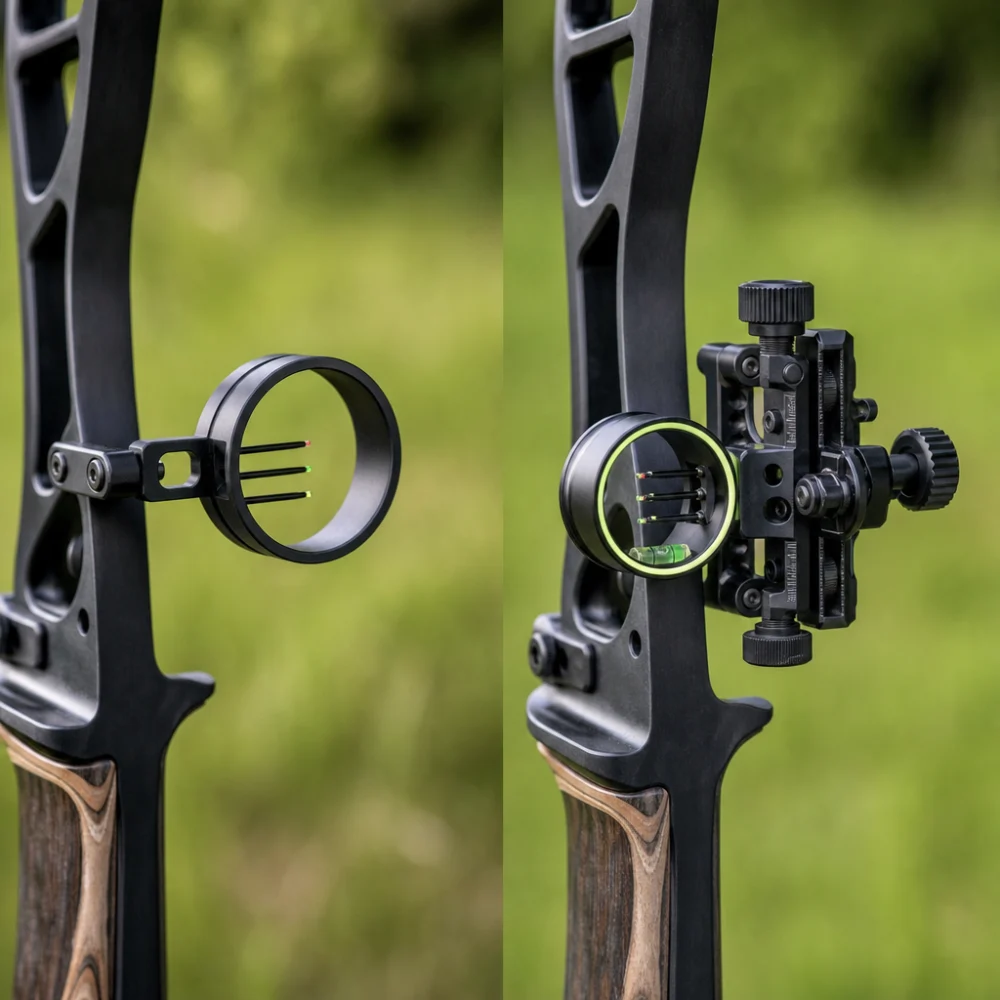
Bow sights are usually compared by how much aiming guidance they provide and how adjustable they are. That makes the buyer decision less about fashion and more about how much structure you want in the sight picture.
- Simple sights: A good fit for buyers who want a straightforward aiming aid with less to think about.
- More adjustable sights: Better for users who want finer control and are comfortable taking time to set things up.
- Feature-rich sights: These may suit archers who like to tune details carefully, but they can also add complexity.
Which bow sight suits which buyer?
| Buyer need | What to prioritize | Why it helps |
|---|---|---|
| Beginner or returning archer | Clear layout and simple adjustment | Makes the learning curve less frustrating |
| Practice-focused shooter | Consistency and easy aiming reference | Supports repeatable setup and form work |
| Buyer upgrading from a basic sight | More adjustability and clearer visibility | Can give more room to refine the setup |
| Shoppers who prefer low-maintenance gear | Simpler design with fewer adjustments | Usually easier to keep organized and understand |
Common mistakes and misunderstandings
- Choosing by feature count alone: More features do not automatically make a sight easier to use. Focus on whether the extra controls match how you shoot.
- Ignoring fit: A sight can look appealing and still be a poor match for your bow or mounting preference. Check the product details carefully before assuming it will work.
- Overlooking visibility: If the aiming point is hard to read for your eyes, the rest of the design matters less. Pay attention to how clear the sight picture appears in the product information.
- Buying for a style you do not actually use: Some sights are better suited to certain archery routines than others. Choose based on your most common shooting situation, not just an idealized one.
Safety and suitability caveats
Bow sights should be chosen with your bow type, shooting style, and comfort with adjustment in mind. Do not assume a sight is a universal fit or that a more complex design will automatically improve your results. If you are unsure about compatibility, review the product page closely and compare it with your bow setup before buying.
Maintenance, storage and lifespan considerations
Bow sights generally benefit from careful handling and periodic checks so the sight stays aligned and secure. Keep in mind that moving parts, mounting hardware, and finish quality can affect how much attention a sight may need over time. If you plan to transport your bow often, think about how protected the sight will be during storage and travel.
How to compare options efficiently
- Start with your main use, such as casual practice, more serious target work, or a simple replacement.
- Narrow the choice to a sight style that matches your comfort level.
- Compare adjustability, visibility, and mounting details first.
- Weigh the trade-off between simplicity and fine control.
- Check the individual product page for fit notes and any model-specific details.
Summary buyer decision checklist
- Does the sight style match how you shoot?
- Is the amount of adjustability enough for your needs without adding unnecessary complexity?
- Will the aiming reference be easy for you to see and use?
- Does the mounting approach fit your bow?
- Are you comfortable with the setup and maintenance level the sight is likely to require?
Frequently asked questions
What does a bow sight do?
A bow sight gives you a visual reference for aiming. It can help make your aiming process more consistent, but it does not replace good form or practice.
Are more expensive bow sights always better?
Not necessarily. A more expensive sight may offer more adjustability or a different design, but that only matters if you will use those features. A simpler option can be a better value if it matches your needs more closely.
Should a beginner choose the simplest sight available?
Often, a simpler sight is easier to learn, but the best choice still depends on how you plan to shoot. Some beginners prefer a bit more adjustability if they expect to grow into the setup.
How important is compatibility?
Very important. A sight should fit your bow and mounting setup comfortably, so always check the product page carefully. If compatibility details are unclear, it is worth comparing other options before buying.
Do bow sights need a lot of maintenance?
Usually not a lot, but they do benefit from routine checks and careful handling. Any mounting hardware or moving parts should stay secure, especially if you transport your bow often.
What is the biggest trade-off when choosing a bow sight?
The main trade-off is usually simplicity versus adjustability. Simpler sights are easier to manage, while more adjustable sights can give you more control but may take more time to set up and understand.