
Fishing Jigs
Fishing jigs are compact lures designed for anglers who want a versatile option for casting, hopping, or vertically presenting bait near structure. This category covers the jig heads and styles used to pair with soft plastics or other trailers, letting you match the presentation to water depth, cover, and target species.
When comparing fishing jigs, look at the head shape, hook style, weed resistance, and how the lure is intended to move through the water. Small differences can affect how well a jig works around grass, rocks, docks, or bottom contours.
Showing 1–12 of 68 results


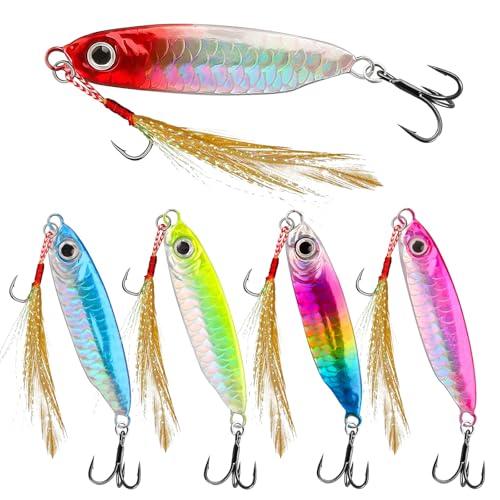


Fishing jigs are a core lure category for anglers who want controlled, repeatable presentations near the bottom or around cover. They are commonly used for casting, pitching, hopping, or vertical fishing, and they can be paired with different trailers to change the action and profile. Because jig styles can vary widely, it helps to compare the details on each listing rather than assuming every jig is meant for the same conditions.
What to compare in a jig
Head shape is one of the most useful starting points. Some jigs are shaped to come through vegetation or structure more cleanly, while others are better for a steady bottom contact presentation. Hook style also matters, especially if you need a design that works well with larger trailers or a more compact profile.
It is also worth checking how the jig is intended to be fished. Some setups are better suited to a slow, bottom-oriented approach, while others can be worked more actively. If you are matching a lure to a specific fishing situation, review the product description and any available details about recommended use.
Matching the presentation to the cover
Fishing jigs are often chosen based on the water and structure you expect to fish. Around grass, brush, docks, or rocky bottoms, the best choice usually depends on how easily the jig moves through cover and how much contact you want with the bottom. A more streamlined design may suit tighter spots, while other shapes can create a different action or stance once they land.
Trailer choice can also change the overall presentation. Many anglers use soft plastic trailers to add bulk, motion, or a different silhouette. When comparing options, check whether the jig is intended for a specific style of trailer or a more general-purpose setup.
How to evaluate product listings
Because fishing jigs are sold in many different forms, the individual product page should be the final source for details such as intended species, hook size, weed guard design, and recommended technique. If you are comparing multiple listings, focus on the combination of head design, hook type, and presentation style rather than the name alone. That makes it easier to choose a jig that fits your fishing approach and the conditions you expect to encounter.