
Tipi Tents
Tipi tents are a camping shelter style shaped for roomy interior space and a distinctive central-pole structure. They appeal to shoppers who want a simple shelter profile that can work well for group camping, basecamp use, or trips where quick setup and practical living space matter more than compact packed size.
When comparing tipi tents, look at capacity, entrance layout, ventilation, and how the floor or stove-ready design is described on each listing. It also helps to check height, weather suitability, and the setup method so you can match the tent to your campsite and camping style.
Showing 1–12 of 49 results
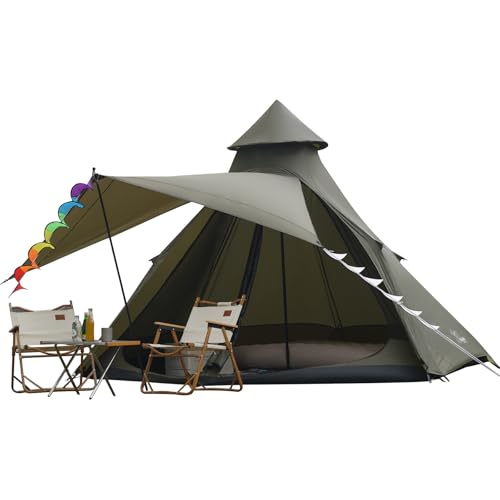


Tipi tents offer a different camping-tent layout from dome, tunnel, or cabin styles. Their cone-shaped profile can create generous headroom in the center, which makes them useful for campers who value space to move around, organize gear, or spend time inside the shelter. Because the shape is open and simple, these tents are often compared for comfort, livability, and ease of pitching rather than for ultralight carry needs.
What to compare in a tipi tent
Start with intended capacity, but also look at how that space is arranged. Some tipi tents are better suited to sleeping only, while others leave more usable room for bags or shared seating. Entrance style, interior height, and the number of ventilation points can all affect how practical the shelter feels in real use. If a product page mentions a stove opening or similar feature, check the details carefully to confirm how that design is intended to be used.
Setup, space, and site selection
Tipi tents are typically pitched around a central support structure, so staking and site preparation matter. A level campsite with enough ground space makes setup easier and helps the shelter sit properly. If you plan to compare listings for group camping or longer stays, review whether the tent is described as quick to pitch, freestanding, or dependent on guy lines and stakes. Those details can shape how easy the tent is to use in changing conditions.
Comfort and weather considerations
For comfort, ventilation is one of the most useful comparison points. A taller center can improve airflow, but the actual experience still depends on door placement, mesh panels, and adjustable vents. Weather suitability should also be checked on each listing rather than assumed from the shape alone. If you are browsing tipi tents for a particular season or campsite style, compare the product details closely so the tent matches your expected conditions and setup preferences.