
Multi-day hiking packs are built for trips where you carry more than just water and a snack. The right pack should fit your torso and hips well, carry your load comfortably, and organize the gear you actually need on trail.
Because these packs are used for overnight and longer trips, small differences in fit and feature layout can make a big difference in comfort. The goal is not to find the most feature-rich pack, but the one that matches your trip length, packing style, and body shape.
Specifications vary by model, so always check the individual product page before buying.
What should you look for in a multi-day hiking pack?
Start with fit and carry comfort, then compare capacity, access, and support features. A pack that looks right on paper can still feel wrong if the torso length, hip belt, or shoulder harness does not suit your body. The main trade-off is usually comfort versus weight and simplicity: more support and organization can add bulk, while lighter designs often ask you to pack more carefully.
| Feature | What It Means | Why It Matters | What To Check |
|---|---|---|---|
| Fit | How the pack matches your torso, shoulders, and hips | Poor fit can make a loaded pack feel unstable or tiring | Torso sizing guidance, adjustable harness points, hip belt shape |
| Capacity | How much gear the pack is intended to carry | Too little room forces awkward packing; too much can tempt overpacking | Whether the size suits your trip length and gear style |
| Frame and support | How the pack transfers weight to your body | Better support can improve carry comfort with heavier loads | Frame style, suspension design, and how load is distributed |
| Access and organization | How easily you reach main gear and smaller items | Convenient access can save time on trail and at camp | Top access, panel access, pockets, and attachment points |
| Weight | How heavy the empty pack is | Lighter packs can feel easier to carry but may offer fewer features | How the pack balances weight savings against support and durability |
| Weather exposure | How well the pack handles rain and dirt | Protection affects how you pack and whether you need extra coverage | Fabric choice, weather-resistant details, and whether you need a separate rain cover |
Key decision criteria explained
Fit and adjustability
Fit matters more than almost any other detail because the pack has to work with your body while you move. Look for clear sizing guidance and adjustability that can help the pack sit properly on your hips rather than hanging from your shoulders. If you are between sizes or shopping for a gift, this is the area to verify most carefully.
Comfort under load
Multi-day packs are expected to carry more gear than daypacks, so comfort under weight is central. A supportive hip belt, well-shaped shoulder straps, and a stable harness can make long miles feel less tiring. The trade-off is that more comfort-focused designs may feel larger or less minimal.
Capacity and packing style
Choose a pack size that matches your actual trip needs rather than the largest option that seems convenient. Some hikers prefer a tighter, more compact setup, while others want extra room for bulkier sleep systems or colder-weather layers. The right capacity depends on how you pack, not just how many days you are out.
Access and organization
Think about how often you want to reach items without unpacking everything. Top-loading packs are often simple and secure, while additional pockets or access panels can make it easier to reach layers, snacks, or small essentials. More organization is useful only if it matches how you like to pack and retrieve gear.
Weight versus structure
Some buyers want the lightest possible pack, while others want a more structured carry that feels calmer on longer trips. Lighter packs can reduce fatigue, but they may ask for more disciplined packing and less extra gear. More structure can improve comfort for some loads, but it can also add complexity.
Common pack types and variants
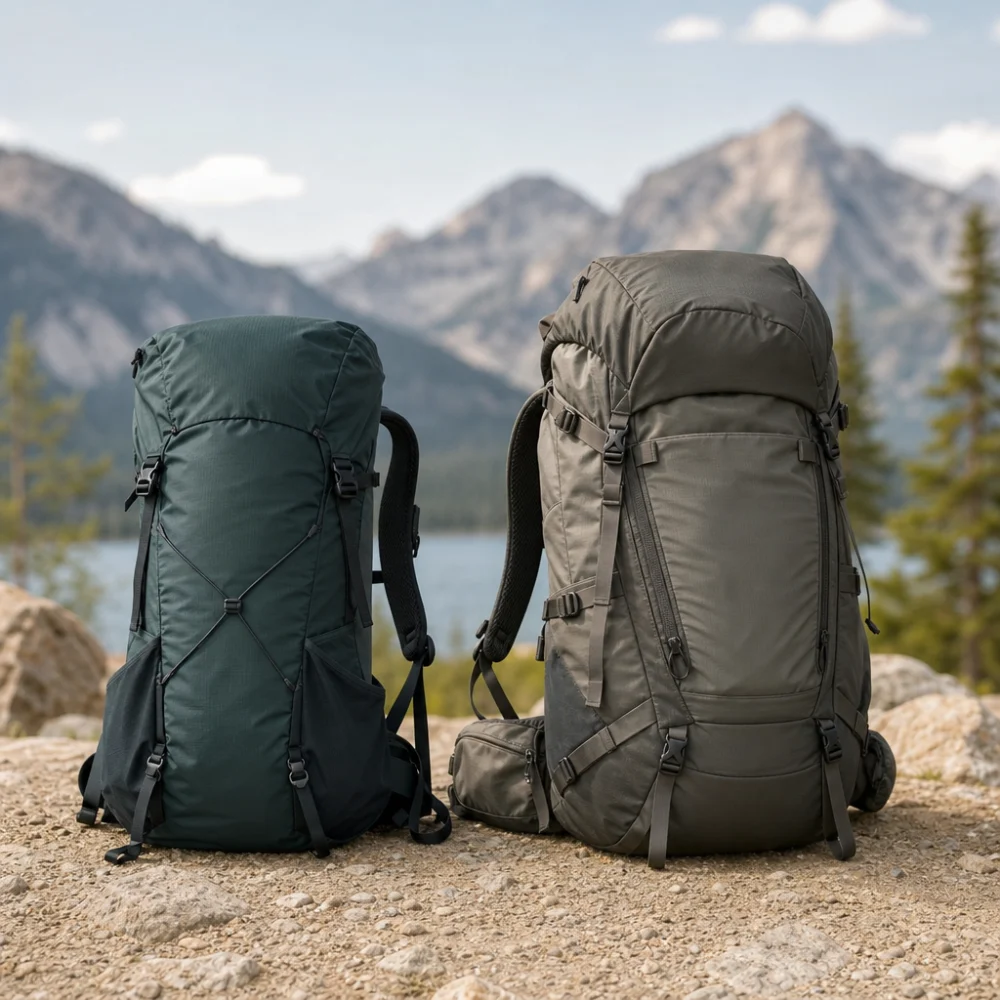
Within this category, the biggest practical differences usually come from how supportive or minimal the pack is, and how it organizes gear. Some designs lean toward a more structured carry for heavier or longer trips, while others aim to stay simpler and lighter for efficient packers. Use the product page details to see where a specific pack sits on that spectrum.
Which type of buyer needs what?
| Buyer need | What usually matters most | Why |
|---|---|---|
| First-time multi-day hiker | Fit, clear sizing, and easy organization | A simpler decision reduces the chance of buying a pack that feels awkward or hard to use |
| Comfort-focused backpacker | Support, suspension, and load transfer | Longer days are easier when the pack carries weight steadily |
| Light packer | Lower empty weight and straightforward access | A lighter pack makes a careful, streamlined setup easier to carry |
| Cold-weather or bulkier gear user | Roomier capacity and practical access | Bulky items take more space and are harder to pack into a tight bag |
| Buyer shopping for a gift | Adjustability and broadly useful sizing guidance | Fit is hard to guess, so flexibility matters more than extra features |
Common mistakes to avoid
- Choosing by capacity alone. Size matters, but fit and carry comfort decide whether the pack is pleasant to use.
- Overlooking torso and hip fit. A well-shaped pack in the wrong size can still feel wrong on trail.
- Buying more organization than you need. Extra pockets and access points are helpful only if they match your packing habits.
- Assuming lighter always means better. Weight savings can come with less structure or fewer comfort features.
- Ignoring what you actually carry. Your sleeping setup, clothing, and food style should guide the choice.
Safety and suitability caveats
Choose a pack that suits your body and the kind of trip you plan to take. A pack that works well for one hiker may not be comfortable for another, especially if torso length, hip belt shape, or load style differ. Specifications vary by model, so always check the individual product page before buying.
Maintenance, storage, and lifespan considerations
Pack care is usually straightforward, but it still affects long-term usefulness. Check whether the materials and hardware are easy to clean, and store the pack dry so dirt and moisture do not linger after trips. If you use accessories, liners, or a separate rain cover, those choices can also affect how much upkeep the pack needs.
How to compare options efficiently
- Decide what kind of trips you take most often and how much gear you usually carry.
- Focus on fit and support before comparing extras.
- Compare access, organization, and weight only after the core carry is right.
- Look for trade-offs between comfort, simplicity, and lighter construction.
- Check the individual product page for the sizing and feature details that matter most to you.
Summary buyer decision checklist
- Does the pack size match your usual trip length and gear volume?
- Is there enough fit guidance for your torso and hip comfort?
- Does the support level match the weight you expect to carry?
- Are the access and pockets useful for your packing style?
- Have you compared the weight trade-off against the features you want?
- Have you checked the product page for model-specific details?
Frequently asked questions
How is a multi-day hiking pack different from a daypack?
A multi-day pack is meant to carry more gear for overnight or longer outings. Compared with a daypack, it usually needs better support, more thoughtful organization, and a fit that stays comfortable over longer distances.
What matters more: capacity or fit?
Fit usually matters more because an uncomfortable pack can make even a good capacity choice unpleasant to carry. Capacity still matters, but it should come after you know the pack fits your body and typical load.
Do I need lots of pockets and access points?
Not necessarily. Extra pockets can help if you like quick access to small items, but they are not useful if they complicate packing or add features you will not use. Simpler designs can work very well for organized packers.
Should I choose the lightest pack available?
Only if the lighter design still meets your comfort and carry needs. Lower weight can be a real advantage, but some lighter packs trade away structure or convenience. The better choice is the one that fits your gear and your hiking style.
How do I compare packs if specifications vary by model?
Compare the features that affect your own use first: fit, support, capacity, and access. Then use the product page to confirm the details for the specific pack you are considering.
Is a more structured pack always better for long trips?
Not always. More structure can improve comfort for some loads, but some hikers prefer a simpler, lighter carry. The right balance depends on how much you carry and how you like the pack to feel on trail.
What should gift buyers pay closest attention to?
Gift buyers should pay special attention to adjustability and sizing guidance. Because fit is so important, flexible sizing information is more useful than a long list of extra features.