
Waterproofing sprays are a practical option when you want to help fabric shed water again after regular use, cleaning, or weather exposure. They are commonly considered for outdoor clothing, packs, and other fabric gear, but the right choice depends on the material and how the item is used.
If you are comparing options for the first time, the main challenge is not finding a spray, but finding the right kind of spray for the surface you plan to treat. Some products are designed for washable technical fabrics, while others are aimed at general fabric use. Reading the product page carefully matters because the label language can sound similar even when the intended use is different.
Used well, a waterproofing spray can be a maintenance item rather than a performance upgrade. The goal is usually to restore water repellency, protect an item from light wet weather, or extend the usefulness of fabric that is still in otherwise good condition.
What should I look for in a waterproofing spray?
Start with the material you want to treat and the result you need. The most useful spray is the one that matches the fabric type, the item’s construction, and whether you need a washable treatment, a quick refresh, or a product for broader household fabric use. The biggest trade-off is usually between convenience and specificity: a more specialized spray may suit technical gear better, while a general spray may be easier to use on everyday items. Specifications vary by model, so always check the individual product page before buying.
| Feature | What It Means | Why It Matters | What To Check |
|---|---|---|---|
| Intended fabric type | Whether the spray is meant for technical outerwear, general fabric, or another surface | A mismatch can reduce effectiveness or leave the item feeling or looking different than expected | Look for the fabric types named on the product page |
| Application method | How the spray is applied to the item | Ease of use and even coverage can affect results | Check whether it is meant for spray-on use and how it should be applied |
| Use context | Whether the product is aimed at outdoor gear, clothing, or mixed fabric items | Different uses place different demands on the treatment | Confirm that the item you own fits the intended use described |
| Care compatibility | Whether the treatment fits with washing and normal maintenance | Some items need a treatment that works with regular laundering or periodic reapplication | Review any care notes and follow the item’s own cleaning instructions |
| Finish and feel | How the treated fabric may look or feel after use | Some buyers prefer minimal change to texture or appearance | Check the product description for any mention of residue, darkening, or finish changes |
Key decision criteria
Fabric compatibility
This is the first check because the same spray may not suit every material. Outdoor jackets, soft shells, backpacks, tents, and everyday fabric items can all have different care needs. If the product page does not clearly mention the item type or fabric family, treat that as a sign to pause and compare more carefully.
Purpose of the treatment
Some buyers want to restore water beading on a used item, while others want to maintain a newer item from the start. Those are related goals, but they are not always the same product choice. A maintenance-minded buyer may care more about ease of reapplication, while someone treating a favorite piece of gear may care more about how well the spray suits that exact material.
Application and coverage
Waterproofing sprays are often chosen for convenience, but convenience depends on the shape of the item and how even the coverage needs to be. Large garments and packs may be easy to treat in broad areas, while seams, panels, and textured fabrics may need more careful attention. Check the instructions on the individual product page for how the treatment is meant to be used, and compare that with the item you plan to treat.
Finish, feel, and appearance
Some shoppers care most about performance, while others want the fabric to keep a natural look and hand feel. A treatment can sometimes change surface texture or appearance, even when that is not the main goal. If the item is something you wear often, this factor may matter just as much as the waterproofing effect itself.
Maintenance expectations
Buying a waterproofing spray is also a commitment to occasional upkeep. The treatment may need to be refreshed over time, especially on items that are washed frequently or exposed to weather often. If you want a lower-maintenance choice, compare how the product fits your normal cleaning routine before buying.
Types and variants you may see
Within this category, the most useful distinction is usually not brand style but intended use.
- Technical fabric sprays: Suited to performance clothing or outdoor gear when the product page clearly says it is for that kind of fabric.
- General fabric sprays: Better for broad household or casual fabric use when the application is less specialized.
- Item-specific treatments: Designed with a narrower use case in mind, which can make selection easier if your item matches the stated purpose.
The main limitation of any narrower product is that it may not be the right fit for a different material, even if the labels sound similar. That is why the exact fabric guidance on the product page matters more than the general category name.
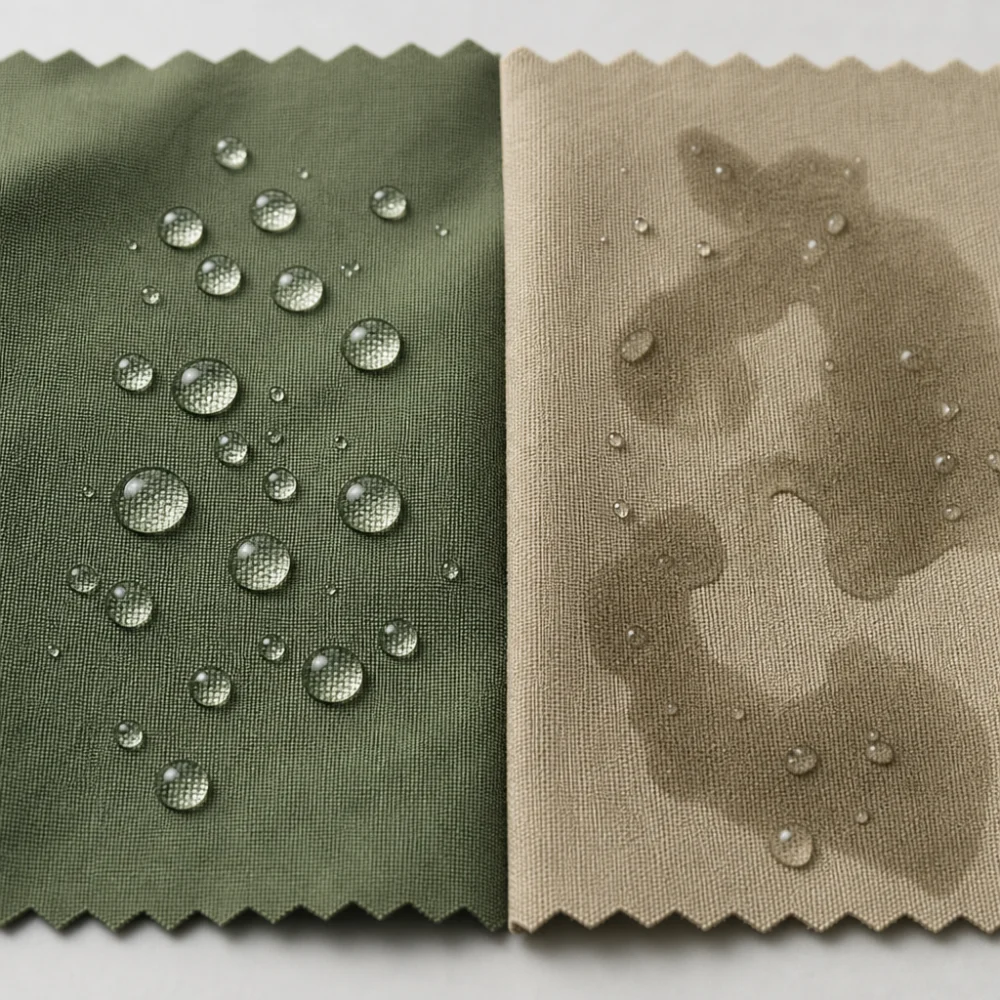
Which type fits which buyer need?
| Buyer need | What usually matters most | Why it matters |
|---|---|---|
| Outdoor clothing care | Fabric compatibility and finish | Clothing is worn close to the body, so texture and appearance may matter as much as repellency |
| Backpack or gear refresh | Coverage and ease of application | Shaped items can be easier to treat evenly when the spray is straightforward to use |
| General home use | Broad fabric suitability | A more versatile product may be more practical if you are treating different items |
| Careful first-time buyer | Clear labeling and usage guidance | A clear description reduces the chance of choosing the wrong treatment for the item |
Common mistakes and misunderstandings
- Assuming all waterproofing sprays work the same: They do not. The intended fabric and use case should be the first comparison point.
- Buying for the category name instead of the item: The right spray depends on what you are treating, not just on wanting water resistance in general.
- Ignoring finish changes: Some treatments can alter feel or appearance, so this matters for items you wear often.
- Skipping care guidance: The item’s own care instructions may affect whether a treatment is suitable or how long it lasts.
Safety and suitability caveats
Use only products that are intended for the material you plan to treat, and follow the product page and the item’s care label. If you are unsure whether a spray suits a coated, laminated, delicate, or performance fabric, compare the wording carefully before buying. When a product’s use guidance is vague, it is better to choose a clearer match than to rely on assumptions.
Maintenance, storage, and lifespan considerations
Waterproofing sprays are usually part of ongoing fabric care, not a one-time fix. Items that are washed often or see regular outdoor use may need re-treatment sooner than items used occasionally. Store the product as directed on its packaging and keep in mind that the treated item may still need normal cleaning and periodic attention over time.
How to compare options efficiently
- Identify the exact item or fabric you want to treat.
- Check whether the spray is meant for that material and use case.
- Compare the application method, finish, and care guidance.
- Think about whether you want a specialized or broader-use product.
- Read the individual product page for the details that matter most to your item.
Summary buyer decision checklist
- Does the product clearly suit the fabric or item I want to treat?
- Is the intended use close to my need: technical gear, general fabric, or another specific category?
- Am I comfortable with the application method and any finish change it may cause?
- Does the product page give enough care guidance for my item?
- Will the treatment fit my usual cleaning and maintenance routine?
Frequently asked questions
How do I know if a waterproofing spray is right for my item?
Start with the item’s fabric and the product page’s stated intended use. If the description clearly names your type of material or gear, that is a good sign. If it does not, compare more carefully before buying.
Is a spray better than a wash-in treatment?
That depends on the item and the result you want. A spray may be more useful when you want targeted application or to treat only the outside of an item, while other formats may suit different care routines. Check the individual product information for the intended method.
Will waterproofing sprays make fabric look or feel different?
They can. Some treatments may change texture, sheen, or hand feel, even when the change is subtle. If appearance matters to you, look for product-page notes about finish or residue.
Can I use one spray for all my outdoor gear?
Not safely by assumption. Different materials and constructions can respond differently to the same treatment. A product that suits one item may not be the right choice for another.
How often do these treatments need to be reapplied?
That depends on use, washing, and exposure rather than a single universal schedule. Items used frequently in wet conditions may need attention sooner than lightly used items. Follow the product guidance and the care needs of the item itself.
What matters most for a first-time buyer?
Focus on fabric compatibility, intended use, and whether the application method fits your comfort level. Those three checks eliminate most mismatches and make the rest of the comparison easier.