
Fishing scales are simple tools, but the right one depends on how you fish and what you want to do with the number it shows. Some anglers only need a quick weight check before release, while others want a scale that is easier to read, easier to hold, or easier to store in a tackle bag.
This guide focuses on the buying choices that matter most: type, capacity, readability, durability, and ease of use. It is meant to help you compare options without turning a small purchase into a complicated decision.
What should you look for in a fishing scale?
The best starting point is to match the scale to the kind of fishing you do and how often you expect to use it. A compact handheld scale may be enough for occasional use, while a larger or more rugged option may make more sense if you weigh fish regularly or handle heavier catches. The main trade-off is usually between portability and convenience on one hand, and easier reading or handling on the other.
Specifications vary by model, so always check the individual product page before buying.
| Feature | What It Means | Why It Matters | What to Check |
|---|---|---|---|
| Weight capacity | The heaviest fish the scale is meant to measure. | It needs to cover the fish you expect to catch without forcing you to guess or compare twice. | Look for a capacity that fits your target species and typical catch size. |
| Readability | How easy it is to see the result. | A clear display or dial reduces uncertainty when you are weighing a fish quickly. | Check display size, pointer style, and whether the readout is easy to see outdoors. |
| Grip and hanging method | How you hold the scale and support the fish or bag. | Better handling can make weighing faster and less awkward. | Look at handle shape, hook style, and whether the design suits one-handed use. |
| Portability | How easy it is to carry in a tackle box, vest, or bag. | Smaller tools are convenient, but some trade off against comfort or readability. | Consider size, weight, and whether it will fit your usual gear storage. |
| Build and weather resistance | How well the scale stands up to water, dirt, and regular handling. | Fishing gear often gets wet and bumped around. | Check materials, finish, and whether the design seems suited to outdoor use. |
| Power source | Whether the scale is mechanical or battery-powered. | This affects convenience, maintenance, and long-term readiness. | Review battery type, battery life expectations, or whether it needs no power at all. |
Key decision criteria
Capacity and intended catch size
Capacity is one of the first checks to make because it determines the range of fish you can measure comfortably. If the scale is too small for your target catches, it becomes less useful and may create uncertainty when you need a quick reading. If you only catch smaller fish, a very large-capacity scale may add bulk you do not need.
Mechanical or digital
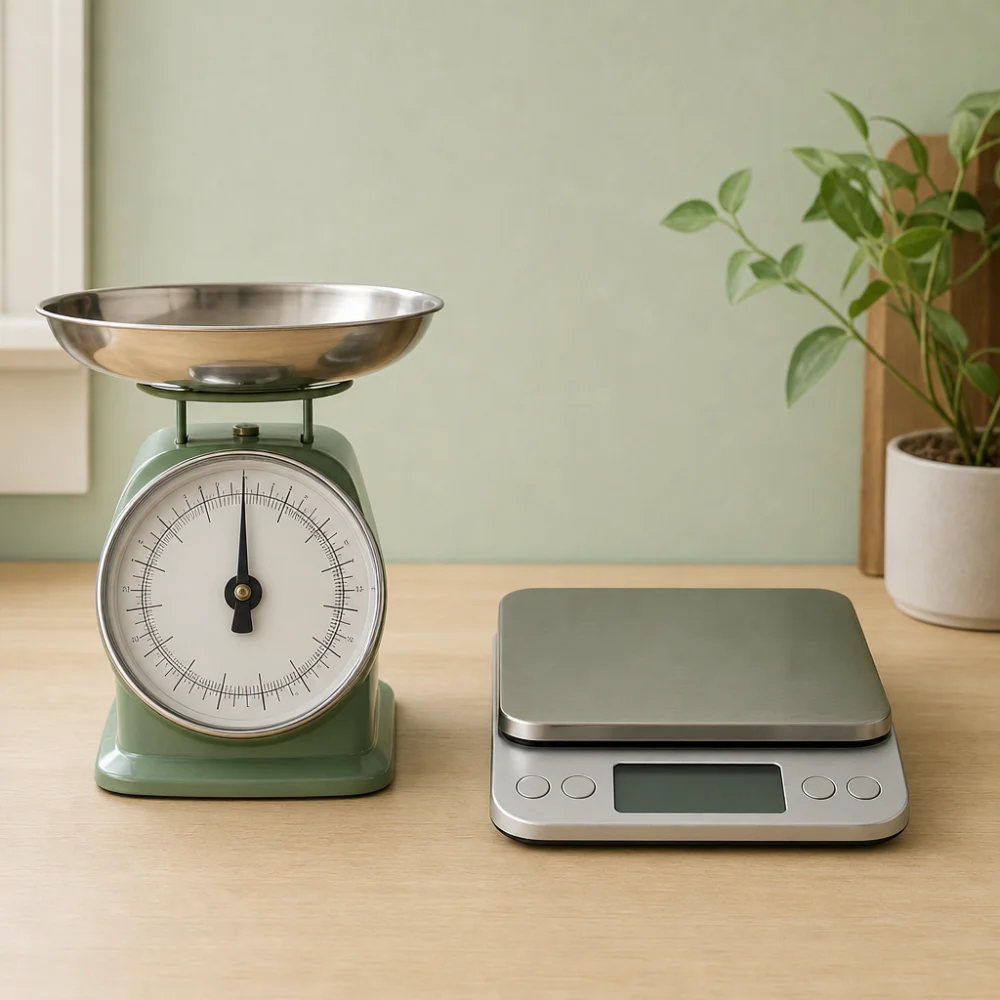
Mechanical scales appeal to buyers who want a straightforward tool with no batteries to manage. Digital scales can be easier to read, especially when you want a clear numerical display, but they add power and display considerations. Either type can work well; the better choice depends on whether you value simplicity or display clarity more.
Ease of handling
Holding a fish, supporting a bag, or keeping a scale steady can be awkward, especially if you are fishing from shore, a boat, or a crowded dock. Look for a shape and hook or grip arrangement that matches how you actually weigh fish. A scale that sounds good on paper can still feel inconvenient if the handle or hanging point is awkward in use.
Durability and cleaning
Fishing tools often get exposed to moisture, grit, and bait residue, so basic clean-up matters. A scale that is simple to wipe down and store dry is often easier to live with than one that needs careful handling after every outing. Materials and sealing details can matter here, but check the individual listing rather than assuming all scales are built the same way.
Types and variants within this category
Fishing scales usually fall into a few practical groups. Handheld scales are common for anglers who want something compact and easy to carry. Hanging or spring-style scales suit buyers who want a simple, low-maintenance option. Digital scales are useful when readability matters most, especially for anglers who want a clear number without squinting at a pointer.
The main limitation is that each type favors a different balance of convenience, size, and reading style. A compact model is easy to pack, but it may be less comfortable for larger fish. A larger or more feature-rich model may be easier to use, but it can also be less convenient to carry.
Which fishing scale fits which buyer?
| Buyer need | Better fit | Why |
|---|---|---|
| Occasional angler | Simple, compact scale | Easy to carry and good enough for occasional weight checks. |
| Frequent angler | More durable, easier-to-read scale | Regular use makes readability and comfort more important. |
| Travel or backpack fishing | Small, lightweight option | Portability matters when every ounce and inch counts. |
| Buyer who wants quick readings | Clear digital or easy-to-read mechanical design | The display style affects how fast you can confirm the result. |
| Buyer with larger catches in mind | Higher-capacity model | It should comfortably cover the size of fish you expect to weigh. |
Common mistakes to avoid
- Choosing by size alone. A compact scale is convenient, but it still needs the right capacity and a display you can actually read.
- Overlooking the way you will hold it. A scale can be technically suitable and still feel awkward if the grip or hook does not match your routine.
- Ignoring storage needs. If you keep gear in a small bag or box, dimensions and shape matter just as much as the weighing method.
- Assuming all scales are equally water-friendly. Outdoor use can be hard on tools, so check product details carefully.
Safety and suitability caveats
Fishing scales are generally straightforward tools, but they still need to fit the way you fish. Consider whether the product looks easy to handle with wet hands, easy to clean after use, and appropriate for the size of fish you normally catch. If you plan to release fish, a quicker and less awkward weighing setup may be more practical than a heavier or more complicated one.
Maintenance, storage, and lifespan considerations
Good care is usually simple: keep the scale clean, dry it before storage, and store it where it will not be crushed or exposed to unnecessary moisture. If the scale uses batteries, think about how often you fish and whether the battery is easy to replace. Mechanical models may avoid battery upkeep, but they still benefit from basic cleaning and careful storage.
How to compare options efficiently
- Decide what kinds of fish you expect to weigh most often.
- Choose the type of scale that matches your preference for simplicity, readability, or portability.
- Compare capacity, handling, display style, and storage fit.
- Check the product page for any details that affect outdoor use or upkeep.
- Pick the option that balances convenience and practicality for your own fishing routine.
Summary buyer decision checklist
- Does the scale cover the size of fish you normally catch?
- Is the display or dial easy for you to read?
- Does the grip or hanging style match how you weigh fish?
- Will it fit your tackle storage without hassle?
- Is the cleanup and power setup practical for your routine?
- Does the overall design suit occasional use or frequent use?
Frequently asked questions
Do I need a digital fishing scale?
Not necessarily. Digital models are often chosen for readability, while mechanical models appeal to buyers who want a simpler, battery-free option. The better choice depends on whether you care more about display clarity or low-maintenance convenience.
What capacity should I choose?
Pick a capacity that comfortably covers the fish you expect to weigh most often. If you only fish for smaller species, a very large capacity may not add much value. If you occasionally catch larger fish, it is usually better to choose some headroom rather than cut it too close.
Are mechanical scales easier to maintain?
Often, yes, because they do not depend on batteries. That said, both mechanical and digital scales still need basic cleaning and careful storage after use. The practical difference is usually more about power management than about day-to-day cleanup.
What matters more: portability or readability?
It depends on how you fish. If you travel light, portability may matter most. If you weigh fish often or want a quick, easy reading, readability can be the better priority.
Can one scale work for every kind of fishing?
Sometimes, but not always comfortably. A scale that works well for smaller fish may not be ideal for larger catches, and a larger model may be less convenient to carry. It is usually better to match the tool to your most common use.
What should I check before buying online?
Focus on capacity, display style, handling, power source, and storage fit. Those details tell you more about day-to-day usefulness than a generic product name does. Specifications vary by model, so always check the individual product page before buying.