
Mountaineering helmets are for buyers who want head protection suited to alpine travel, glacier routes, and other mountain environments where conditions can change quickly. The right choice depends less on buzzwords and more on fit, coverage, comfort, and how the helmet works with the layers and equipment you already use.
If you are comparing options for your first helmet or replacing an older one, it helps to separate comfort features from true fit and coverage differences. That makes the decision clearer and avoids overpaying for details you may not need.
This guide focuses on how to evaluate mountaineering helmets as a category, not on any one model. Specifications vary by model, so always check the individual product page before buying.
What should you look for in a mountaineering helmet?
The best starting point is a helmet that fits securely, feels comfortable enough to wear for the whole outing, and suits the kind of mountain use you expect. After that, compare coverage, ventilation, adjustment range, and how easily it works with hats, headlamps, goggles, or hoods if those matter to you.
The main trade-off is usually between lighter, more minimal designs and helmets that feel more substantial or adjustable. Neither is automatically better; the right choice depends on comfort, weather, and how much versatility you need.
| Feature | What It Means | Why It Matters | What To Check |
|---|---|---|---|
| Fit | How securely the helmet sits on your head | A poor fit can feel distracting and may shift during movement | Size range, adjustment system, and whether it feels stable with your usual layers |
| Coverage | How much of the head is protected | Different shapes can change comfort and the sense of security | General shape, ear clearance, and whether the back sits comfortably under hoods |
| Ventilation | How much airflow the helmet allows | Better airflow can help in warmer conditions or during long approaches | Vent placement and whether airflow seems likely to suit your climate |
| Weight | How heavy the helmet feels on your head and in your pack | Lighter helmets can feel less tiring over time | Whether the weight feels acceptable compared with the comfort and features you need |
| Compatibility | How well it works with other gear | Useful when you wear a headlamp, goggles, or a hooded shell | Attachment or retention details and overall shape with the rest of your kit |
Key decision criteria explained
Fit and adjustability
Fit is usually the most important buying factor because a helmet that sits poorly can be annoying even if everything else looks right. Look for enough adjustment to fine-tune the fit without creating pressure points. If you often wear a beanie, balaclava, or thin hood under your helmet, check the fit with that layer in mind.
Shape and coverage
Mountaineering helmets often have shapes that balance coverage, comfort, and compatibility with mountain clothing. A deeper or more enveloping shape may feel reassuring to some buyers, while others prefer a lower-profile feel. The right choice depends on how the helmet sits on your head and whether it stays comfortable during long wear.
Ventilation and temperature comfort
Ventilation can matter a lot on climbs with long approaches, sunny glacier travel, or variable spring conditions. More airflow may improve comfort, but it can also mean less warmth in cold, windy weather. If you usually climb in colder conditions, think carefully about whether maximum ventilation is really a priority.
Weight and all-day wear
Weight matters more than many shoppers expect, especially if you wear the helmet for hours at a time. A lighter helmet can be easier to forget about, but comfort still depends on fit and head shape. Do not choose based on weight alone if the helmet does not sit securely.
Gear compatibility
Check whether the helmet works cleanly with the rest of your mountain setup. That may include a headlamp, sunglasses or goggles, hoods, or any storage and attachment features the product page mentions. The goal is a system that feels simple to use rather than one that needs constant adjustment.
Specifications vary by model, so always check the individual product page before buying.
Common mountaineering helmet types and variants
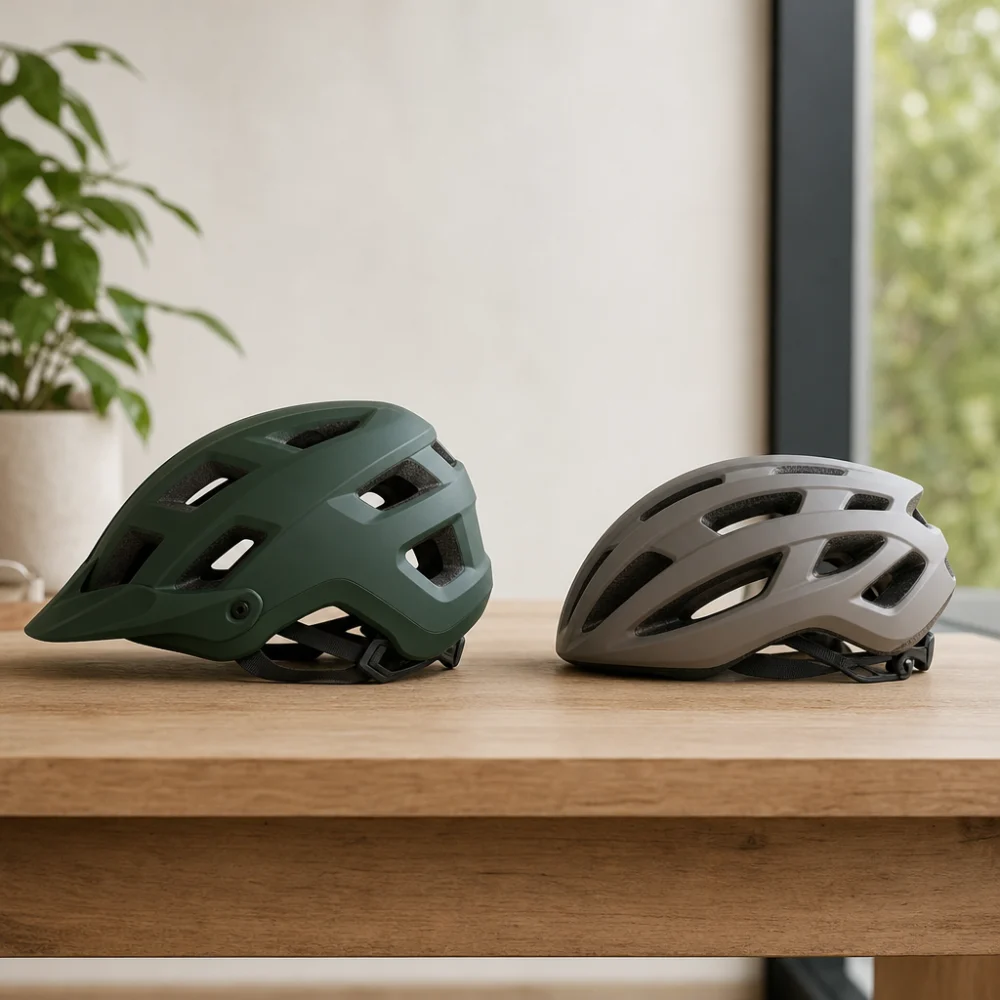
Within this category, buyers usually compare helmets by overall design rather than by highly specialized subtypes. Some options feel more streamlined and minimal, while others emphasize a more adjustable or substantial fit. Your best match depends on whether you value lower weight, broader adjustment, or a more protective-feeling shape.
If you are deciding between closely related helmet styles, focus on how each one fits your head and your typical use case rather than on assumptions about performance from appearance alone. Two helmets can look similar but feel very different once you put them on.
Which helmet features matter most for different buyers?
| Buyer need | What to prioritize | Why it helps |
|---|---|---|
| First-time buyer | Easy fit, straightforward adjustment, comfortable wear | Makes it easier to choose confidently without overthinking technical extras |
| Frequent alpine traveler | Comfort, ventilation, compatibility with layers and headlamps | Helps the helmet stay useful across changing mountain conditions |
| Weight-conscious shopper | Low carry burden, stable fit, practical features only | Reduces fatigue while keeping the helmet pleasant to wear |
| Cold-weather user | Coverage, secure fit with hats or hoods, comfort in wind | Supports use when temperatures drop and airflow is less welcome |
| Gift buyer | Flexible sizing, broad appeal, simple adjustment | Improves the chance that the helmet will suit the recipient |
Common mistakes and misunderstandings
- Choosing by appearance alone. A helmet can look similar to another model but fit very differently. Fit and comfort should come first.
- Assuming lighter is always better. Lower weight can be attractive, but not if it reduces comfort or makes the helmet feel unstable.
- Ignoring compatibility with other gear. A helmet that seems fine on its own may be awkward with a hood, headlamp, or goggles.
- Focusing only on ventilation. Airflow is useful in some conditions, but it should not outweigh fit and intended use.
- Overlooking the type of mountain use. A helmet that suits warmer, longer approaches may not feel ideal in colder or more exposed settings.
Safety and suitability caveats
Mountaineering helmets are safety-oriented gear, so suitability matters more than style. Make sure the helmet is intended for the kind of mountain activity you plan to do and that it fits properly with your other equipment. If a product page is vague about its intended use or fit range, treat that as a signal to keep comparing.
Do not assume a helmet will feel secure just because it is labeled for mountain use. The product page should give you enough information to judge fit, adjustment, and compatibility for your needs.
Maintenance, storage, and lifespan considerations
Helmet care is usually simple, but it still affects value. Look for a design that is easy to keep clean and store without unnecessary wear. If you travel often, think about whether the helmet will pack and transport easily alongside the rest of your gear.
Because use and wear vary, it is sensible to inspect the helmet regularly for visible damage or changes in fit. Product pages may also mention care guidance that can help you judge whether the helmet suits your routine.
How to compare mountaineering helmets efficiently
- Start with your main use: alpine travel, glacier days, mixed mountain outings, or colder conditions.
- Filter for fit first, then compare how adjustable and stable each option seems.
- Check comfort features such as ventilation, weight, and shape against your expected conditions.
- Confirm compatibility with the rest of your kit, especially headlamps and layered clothing.
- Read the individual product page carefully and compare only the details that affect your use.
Mountaineering helmet buying checklist
- Does the helmet fit securely without pressure points?
- Will it work with the layers and gear you usually wear?
- Is the balance of ventilation and coverage right for your climate?
- Does the weight feel reasonable for long wear?
- Does the overall shape suit your head and comfort preferences?
- Have you checked the product page for the exact specifications that matter to you?
Frequently asked questions
How do I know if a mountaineering helmet fits properly?
A good fit should feel secure without pinching or excessive movement. Try to judge the fit with the kind of layers you expect to wear, since thin hats or hoods can change the feel. If the helmet only feels right when overtightened, it may not be the best match.
Are mountaineering helmets and climbing helmets the same thing?
They are closely related, but shoppers should still check the intended use on the product page. Category names can overlap, yet the shape, coverage, or comfort priorities may vary by model. It is better to compare the actual product details than to rely on the label alone.
What matters more: weight or comfort?
Comfort usually matters more because a slightly lighter helmet is not helpful if it sits poorly. Weight still matters on longer days, but it should be considered after fit and stability. The best compromise is a helmet that feels comfortable and stays out of the way.
Do I need extra ventilation?
That depends on where and when you plan to use the helmet. More ventilation can be helpful in warmer conditions or on long approaches, while colder environments may make you prefer less airflow. Think about your typical season and altitude rather than choosing ventilation as a stand-alone feature.
Should I buy a helmet that works with a headlamp?
If you expect early starts, late finishes, or unexpected delays, that can be a useful feature to check. The product page may describe retention or attachment details, but you should still verify that the setup looks practical for your needs. Compatibility is more important than whether the feature is merely listed.
Is a more adjustable helmet always better?
Not necessarily. More adjustment can help dial in fit, but it can also add complexity or change how the helmet feels. The better question is whether the adjustment range gives you a stable and comfortable fit.
What should I compare if I am replacing an older helmet?
Start with fit, then consider whether your old helmet failed you because of weight, warmth, ventilation, or compatibility. That makes it easier to choose an improvement that solves the real problem. Do not assume a newer style will be better unless it addresses what you did not like before.