
Crossbows can be a good fit for shoppers who want an archery option that feels different from a traditional bow and who care about control, ease of aiming, and the overall setup they will need to manage. Because models vary widely, the smartest buying choice is usually less about brand and more about how the crossbow matches your experience level, intended use, and comfort with the size and handling style.
This guide focuses on the decision points that matter before you compare individual products. It is meant to help you narrow the field, understand trade-offs, and avoid buying based on a single feature that may not matter as much as the rest of the setup.
What should you look for first when buying a crossbow?
Start with the way the crossbow will be used and how comfortable you are with the overall format. For many buyers, the most important questions are whether the crossbow feels manageable, whether the setup matches the intended use, and whether the individual product page provides the details you need to compare it responsibly. Specifications vary by model, so always check the individual product page before buying. A good first pass is to compare handling, size, and the amount of accessory support you may need rather than focusing on one headline feature alone.
| Feature | What It Means | Why It Matters | What To Check |
|---|---|---|---|
| Overall handling | The feel of the crossbow in hand and how manageable it is to carry, aim, and shoulder. | Handling affects comfort, confidence, and how easy the crossbow is to use consistently. | Look for dimensions, weight, and whether the shape suits your body and use case. |
| Design style | The general crossbow format and how the limbs and stock are arranged. | Different designs can feel more compact, steadier, or easier to manage depending on the buyer. | Compare the form factor and think about where and how it will be used. |
| Accessory needs | What additional items may be required or commonly paired with the crossbow. | Some buyers want a simpler setup, while others are comfortable building out the system they prefer. | Check what is included and what may need to be chosen separately. |
| Maintenance expectations | The general care and storage needs for the model. | Ownership is easier when you understand how much attention the crossbow may need over time. | Review care guidance, storage needs, and any parts that may need regular checking. |
| Intended use | Whether the crossbow suits the buyer’s planned activity and experience level. | Matching the product to the use case reduces frustration and helps narrow the choices quickly. | Confirm that the product page describes the type of use it is meant to support. |
Key factors that shape the right choice
Fit and handling
Fit is about whether the crossbow feels comfortable to hold and manage. A model that sounds appealing on paper may still feel awkward if the layout does not suit the user. Buyers who expect frequent use often care more about balance and ease of handling than about one isolated feature.
Accessory setup
Some crossbows are easier to compare if you think in terms of the whole setup rather than the main unit alone. Consider what is included, what may be optional, and whether you want a more complete starting point or a platform you can customize. This helps prevent surprise costs and reduces guesswork after purchase.
Maintenance and care
Crossbows are not “buy once and forget” products. Even when the basic design looks simple, owners still need to think about routine care, safe storage, and general condition over time. If you prefer lower effort, look carefully at the product page for maintenance expectations and any care notes provided by the seller.
Intended experience level
Some buyers are looking for their first crossbow, while others want a replacement or an upgrade. A beginner-friendly choice may prioritize straightforward handling and easier ownership, while a more experienced buyer may focus on setup preferences and specific fit details. The key is to avoid assuming that a more feature-heavy option is automatically a better fit.
Common crossbow types and how they differ
At a category level, crossbows are usually compared by their overall design style and how they handle in use rather than by a long list of universal features. That makes it helpful to think in broad terms:
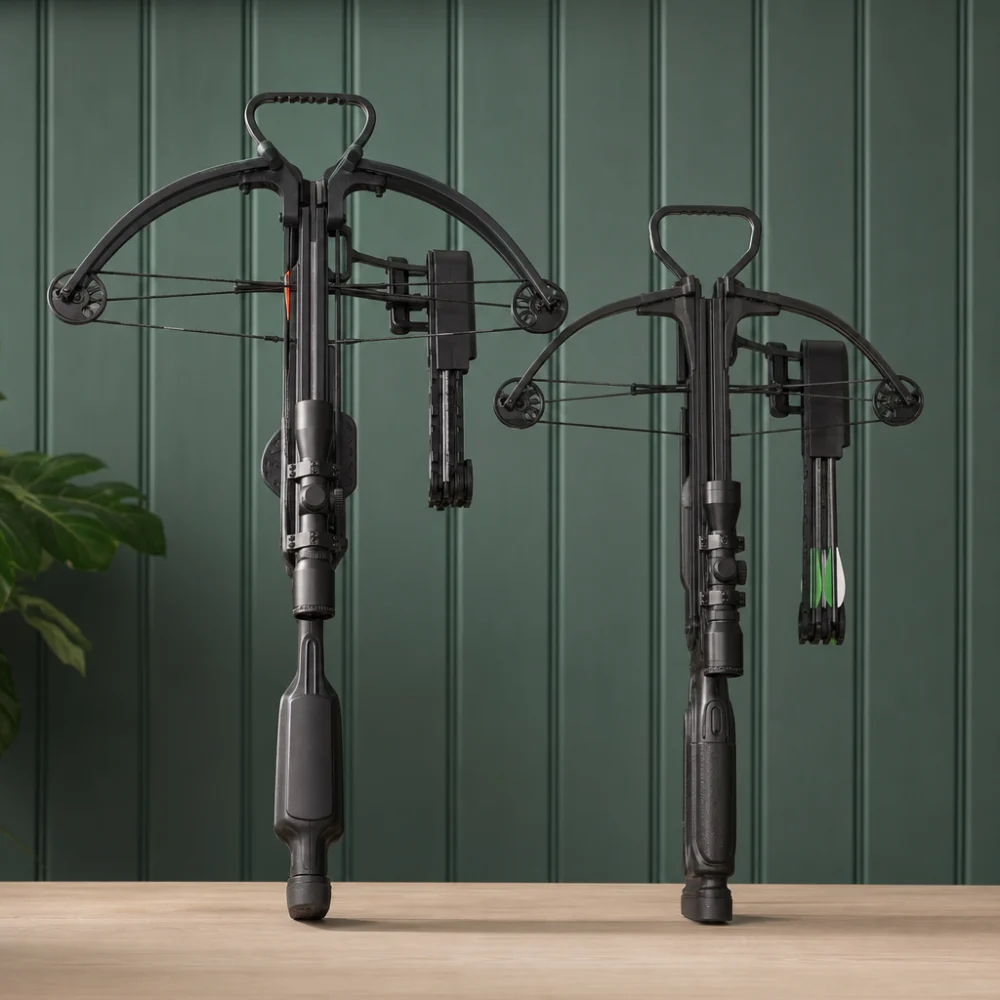
- More compact-feeling options may suit buyers who want easier handling and a tighter overall footprint.
- Larger-format options may appeal to buyers who prefer a different balance or more traditional crossbow proportions.
- More complete setups may suit buyers who want fewer decisions up front.
- Simple baseline setups may suit buyers who prefer to choose accessories separately.
The right choice depends on how the product is presented on the individual page and whether the format matches your comfort level and intended use.
Which crossbow suits which kind of buyer?
| Buyer need | What to prioritize | Why it helps |
|---|---|---|
| First-time buyer | Simple handling, clear product details, and a straightforward setup. | Makes the decision easier and lowers the chance of buying more complexity than needed. |
| Buyer upgrading from an older setup | Fit, comfort, and whether the new option improves the parts that matter most to you. | Helps you focus on real improvements instead of cosmetic differences. |
| Gift buyer | General usability and broad suitability. | Reduces the risk of choosing something too specialized for the recipient. |
| Experienced enthusiast | Specific design details and the full set of included information. | Lets you compare a more exact match for your preferences. |
Common mistakes to avoid
- Choosing by one feature alone. A single detail rarely tells the whole story, so look at handling, setup, and intended use together.
- Assuming included items are the same across products. Always check what comes with the product and what does not.
- Ignoring storage and care needs. A crossbow that fits your budget may still be inconvenient if upkeep is more involved than you expected.
- Overlooking size and comfort. If the crossbow is awkward to manage, other features matter less in everyday use.
Safety and suitability considerations
Crossbows are category items that deserve careful buying attention. Make sure the product matches your intended use, local rules, and your level of experience, and avoid assuming that a product page covers every situation. Buyers should also check what is included, what is optional, and whether any accessories or care items are needed to use the product as intended.
It is also wise to think about storage and handling before you buy, especially if the crossbow will be shared, transported, or kept in a home with limited space.
Maintenance, storage, and ownership basics
General ownership questions matter as much as the first purchase. Ask how the crossbow should be stored, whether it needs regular inspection, and whether any parts or accessories are part of routine upkeep. A buyer who wants the least complicated ownership experience should favor clearer product information and a simpler setup.
Because product details vary, it helps to treat care guidance as part of the buying decision rather than an afterthought.
How to compare crossbows efficiently
- Decide what kind of use you are buying for and how often you expect to use it.
- Compare the overall design and handling before focusing on accessories.
- Check what is included and what may need to be chosen separately.
- Review the care, storage, and ownership expectations on the product page.
- Pick the option whose trade-offs fit your comfort level and intended use.
Summary buyer decision checklist
- Does the crossbow match your intended use?
- Does the size and handling style seem comfortable for you?
- Are you clear on what is included and what is not?
- Have you checked the product page for care and storage expectations?
- Does the setup feel appropriately simple or advanced for your experience level?
- Have you compared the trade-offs instead of focusing on one feature only?
Frequently asked questions
What is the biggest difference between crossbows and other archery bows?
For many buyers, the biggest difference is in how the product is handled and aimed. That changes the buying decision because comfort, size, and the overall setup matter just as much as the category itself. The right choice depends on the experience you want and how you plan to use it.
Should a first-time buyer choose the simplest option?
Often, yes. A simpler setup can make it easier to learn what matters to you without adding unnecessary complexity. That does not mean every beginner should choose the same style, but it does mean clarity and ease of use are worth prioritizing.
Do included accessories matter a lot?
They can, because included items affect both convenience and the overall value of the setup. Two products can look similar but still differ in what is included, so it is worth checking the product page closely. This is one of the easiest places for buyers to miss an important detail.
What should I check if I am buying a crossbow as a gift?
Focus on broad suitability, not specialized features. A gift buyer usually benefits from a product that is straightforward, clearly described, and not overly narrow in its intended use. If you are unsure, clarity and general usability matter more than extra complexity.
How do I know if a crossbow will be too complicated for me?
Read the product details with ownership in mind. If the setup seems to require more attention than you want to give, or if the page leaves important questions unanswered, it may not be the best fit. Simpler options are often easier to live with when you want low-friction use.
Why does size matter so much?
Size affects how the crossbow feels in practical use, including comfort, storage, and handling. A product that seems fine in isolation may be less convenient once you consider where it will be kept and how often it will be moved. That is why size is worth checking early in the comparison process.