
Airsoft goggles are a focused choice for players who want eye protection that feels secure, stays in place, and works with the rest of their gear. The main buying decision is usually not about looks; it is about fit, coverage, lens style, and whether the goggles pair comfortably with a mask, helmet, or glasses.
Because designs vary, the right choice depends on how you play and what you wear with them. A snug fit can matter as much as lens shape, and small comfort details often make the biggest difference once you are on the field.
What should you look for in airsoft goggles?
Start with fit and coverage, then compare how the goggles sit against your face and whether they work with your other equipment. If you need more wraparound coverage or want to wear a lower-face mask, that affects which style makes sense. Specifications vary by model, so always check the individual product page before buying.
The most useful rule is simple: choose the goggles that suit your face shape, your comfort preferences, and your full setup rather than focusing on one feature in isolation.
| Feature | What It Means | Why It Matters | What To Check |
|---|---|---|---|
| Fit and seal | How closely the goggles sit against your face | A better seal usually feels more stable and helps reduce distracting gaps | Look for fit notes, strap adjustment, and whether the frame is described as compatible with your face shape |
| Lens style | The shape and design of the viewing lens | It affects field of view, comfort, and how well you can keep awareness during play | Check lens coverage, clarity descriptions, and whether the lens is meant for your style of use |
| Ventilation | How airflow is managed inside the goggles | Ventilation can influence comfort during active play and in warmer conditions | Review venting details and any notes about fog-reduction design |
| Compatibility | How the goggles work with masks, helmets, or glasses | Gear compatibility often determines whether the goggles are practical in your full setup | Confirm whether the listing mentions use with eyeglasses, lower-face protection, or helmet systems |
| Padding and strap comfort | The materials that touch your face and hold the goggles in place | Comfort matters most during longer sessions and repeated wear | Look for padding description, strap width, and whether the adjustment system seems easy to use |
Key buying factors that matter most
Fit is the first decision
Airsoft goggles can look similar but feel very different once worn. A secure fit is important because it affects comfort, stability, and whether the goggles sit as intended during movement. If possible, compare descriptions of face coverage, strap adjustment, and any notes about wear with other gear.
Coverage and profile shape
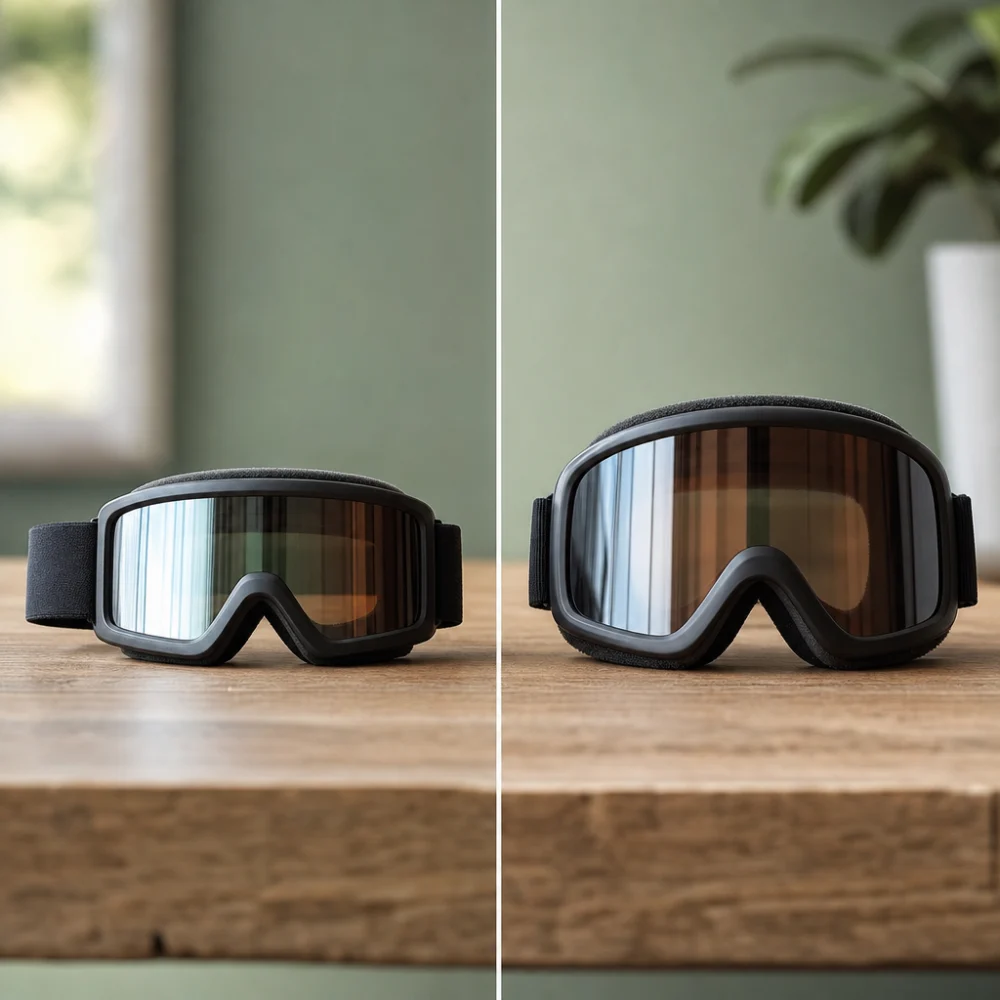
Some buyers want a compact profile, while others prefer a fuller shape that feels less restrictive. The trade-off is usually between a slimmer feel and a more enveloping fit. Neither is automatically better; the useful choice depends on the rest of your equipment and how much face coverage you want from the goggles themselves.
Fog management and airflow
Fog resistance is a common concern, but the details vary by design. Venting, lens construction, and how tightly the goggles seal can all affect comfort. If you play in changing temperatures or high activity, compare how each product describes airflow and anti-fog support without assuming the same result across all models.
Comfort against skin and pressure points
Even a well-fitting goggle can feel wrong if the padding or strap sits unevenly. Comfort matters because small pressure points become more noticeable over time. Look for descriptions that indicate soft contact points, adjustable straps, or other design choices that may reduce irritation.
Types and variants you may see
Within this category, the meaningful differences are usually about coverage, profile, and how the goggles integrate with other protective gear.
- Compact goggles: Often preferred by buyers who want a smaller feel and less bulk, though they may offer less surrounding coverage than larger designs.
- Full-coverage goggles: Better suited to shoppers who prioritize more wraparound protection and a more enclosed fit, with the trade-off of added bulk.
- Glasses-compatible goggles: Useful if you need to wear prescription eyewear, but the fit can be more sensitive to frame shape and internal space.
- Mask-friendly designs: Helpful when pairing with lower-face protection, though the combined setup can feel tighter and should be checked carefully for comfort.
Which type fits which buyer?
| Buyer need | What to prioritize | Why it matters |
|---|---|---|
| Beginner player | Simple fit, easy adjustment, clear product information | A straightforward setup reduces guesswork and makes the first purchase easier to judge |
| Player using a lower-face mask | Compatibility and overall face coverage | The goggles need to work as part of the full protection setup, not in isolation |
| Glasses wearer | Internal space and eyewear compatibility notes | Not all goggles sit comfortably over prescription glasses |
| Frequent or longer-session player | Comfort, strap stability, and ventilation details | Small comfort issues matter more when the goggles are worn for extended periods |
| Gift buyer | General fit flexibility and clear sizing information | It is safer to choose a style with broad usability when the recipient’s setup is unknown |
Common mistakes to avoid
- Choosing by appearance alone: A style that looks right may still fit poorly or clash with other gear.
- Ignoring compatibility: Goggles that seem fine on their own may not work well with a helmet, mask, or glasses.
- Overlooking comfort details: Padding, strap adjustability, and frame shape can matter more than a buyer expects.
- Assuming every lens or venting design performs the same way: The useful choice depends on the specific model and the way it is described.
Safety and suitability notes
Airsoft goggles are part of protective gear, so the most important buying check is whether the product is intended for the way you plan to use it. Do not assume that any goggle will suit every face, every field setup, or every accessory combination. If you need paired protection with a mask or eyewear, confirm that the individual product page addresses that use case clearly.
For any safety-related item, the listing details matter more than broad assumptions. Specifications vary by model, so always check the individual product page before buying.
Care, storage, and long-term use
General care is usually straightforward: keep lenses clean, avoid unnecessary scratches, and store the goggles so the frame and strap do not get crushed. If the model includes adjustable parts or foam contact areas, regular inspection helps you notice wear before comfort starts to suffer. How well a pair holds up often depends on use, storage, and how carefully the lens is handled.
How to compare options efficiently
- Decide how you will wear the goggles, including whether they need to work with a mask, helmet, or glasses.
- Compare fit and coverage first, because those factors affect comfort and usability the most.
- Review lens, ventilation, and strap details to judge how the goggles may feel during play.
- Check any notes about compatibility or face shape to reduce the chance of a poor fit.
- Use the individual product page to confirm the details that matter for your setup.
Summary checklist before you buy
- Does the goggle style match how you plan to wear it?
- Will it work with your mask, helmet, or glasses if needed?
- Is the fit described in a way that suits your face and comfort preferences?
- Do the lens and ventilation details match the conditions you expect?
- Have you checked the product page for model-specific information?
Frequently asked questions
Do I need goggles or a mask?
That depends on the level of face coverage you want and what the rest of your gear already provides. Goggles focus on eye protection, while a mask changes the overall fit and coverage picture. If you plan to use both, compatibility is one of the first things to verify.
Can I wear glasses with airsoft goggles?
Sometimes, but not always comfortably. Glasses compatibility depends on the internal space, frame shape, and the size of your eyewear. Check the product page for notes on eyeglasses rather than assuming the fit will work.
What matters more: lens style or fit?
Fit usually matters first because it affects comfort, stability, and whether the goggles stay positioned as intended. Lens style still matters for visibility and coverage, but it is better to start with something that fits well and is intended for your setup.
How do I reduce the chance of fogging issues?
Look for product descriptions that explain ventilation or fog-management features, and think about the conditions you usually play in. Warm, active sessions can increase the need for a design that handles airflow well. Avoid assuming every model works the same way.
What should a beginner prioritize?
A beginner usually benefits from clear fit information, straightforward adjustment, and a style that works with the rest of the planned setup. The goal is to reduce guesswork and avoid a purchase that feels awkward after a few uses.
Are more expensive goggles always better?
Not necessarily. A higher price can reflect different materials or features, but the best value still depends on whether the goggles fit your face, work with your gear, and meet your comfort needs. Compare the details that affect your actual use instead of relying on price alone.