
Riding gloves are a small piece of gear, but they can make reins feel more secure, reduce rubbing, and help you stay comfortable during long rides. The right pair depends on how you ride, how much dexterity you want, and whether you need something for everyday schooling, colder weather, or occasional use.
This guide focuses on the buying decisions that matter most: fit, grip, breathability, durability, and ease of care. It is meant to help you compare options within the category without assuming that every glove suits every rider or riding condition.
If you are choosing for the first time, start with fit and comfort rather than extras. A glove that feels awkward or restricts finger movement is unlikely to be enjoyable to wear for long, even if it looks suitable on paper.
What should you look for in riding gloves?
The best starting point is a glove that fits closely without pinching and lets you hold reins naturally. After that, focus on how the glove balances grip, feel, airflow, and durability for your riding conditions. Specifications vary by model, so always check the individual product page before buying.
| Feature | What It Means | Why It Matters | What To Check |
|---|---|---|---|
| Fit | How closely the glove follows your hand shape | Affects comfort, rein feel, and how securely the glove stays in place | Size guidance, finger length, cuff style, and whether the glove is meant to fit snugly |
| Grip | The amount of traction on the reins | Helps you maintain control without over-gripping | Palm texture, material choice, and whether the grip feels stable in dry or damp conditions |
| Breathability | How easily air can move through the glove | Can reduce heat and sweat buildup during longer rides | Fabric weight, mesh panels, and whether the glove is intended for warmer weather |
| Warmth | How much insulation the glove provides | Important for cold-weather riding and winter chores | Lining, thickness, and whether the glove still allows enough finger movement |
| Durability | How well the glove stands up to repeated use | Matters if you ride often or want a pair for regular stable work | Material construction, reinforcement in high-wear areas, and care instructions |
| Ease of care | How simple the gloves are to clean and maintain | Affects day-to-day convenience and long-term appearance | Cleaning method, drying time, and whether the materials are prone to losing shape |
Key decision criteria
Fit and finger movement
Riding gloves should support precise hand movement, not fight it. If they are too loose, they can bunch up and reduce feel; if they are too tight, they may make the reins feel awkward and tiring to hold. A close but comfortable fit is usually the most practical goal.
Grip versus sensitivity
Some riders want a stronger gripping surface, while others prefer a lighter feel that preserves more contact with the reins. More grip is not always better if it makes the gloves feel bulky or sticky. Think about whether you want a glove that emphasizes security, fine control, or a balance of both.
Weather and temperature
Warm-weather gloves and cold-weather gloves solve different problems. Lightweight gloves can feel better in heat and during active riding, while insulated styles are more suitable when warmth matters more than maximum breathability. If you ride in changing seasons, choosing a pair that matches your most common conditions can be more useful than buying for the rare extreme.
Material feel and durability
Different materials can create very different riding experiences, even when the glove looks similar at a glance. Some options may feel softer or more flexible, while others may be chosen for resilience and a firmer hand feel. Consider how often you will use the gloves and whether you want them mainly for comfort, hard-wearing use, or a balance of both.
Fastening and cuff style
The cuff and closure affect how easy the gloves are to put on, how secure they feel, and whether they sit neatly under or over a sleeve. Simpler closures can be easier for daily use, while more structured cuffs may feel more secure. Check how the cuff design lines up with your riding clothes and your preference for quick on-off convenience.
Common riding glove types and variants
Riding gloves usually vary by season, material, and level of hand coverage rather than by highly specialized technical features. That makes it helpful to think in practical categories.
- Lightweight everyday gloves: Often chosen for general riding, these prioritize feel and flexibility. They may suit riders who want one easy pair for regular use, but they may offer less warmth.
- Warm-weather gloves: These lean toward breathability and lighter construction. They can be a better fit for long sessions in heat, though they may not feel substantial enough for colder rides.
- Cold-weather gloves: These emphasize insulation and comfort in lower temperatures. The trade-off is often reduced dexterity compared with thinner gloves.
- More durable training or yard-use gloves: These may be preferred by riders who spend time handling tack or doing stable chores as well as riding. They can be a practical choice, but they may feel less refined than lighter riding-specific pairs.
Which type fits which rider?
| Buyer need | What to prioritize | Why that helps | Trade-off to expect |
|---|---|---|---|
| Beginner rider | Comfortable fit and easy hand movement | Makes it easier to focus on the ride instead of the glove | May not prioritize the most specialized materials or finishes |
| Frequent rider | Durability and consistent grip | Helps the gloves stay useful through repeated wear | May involve a firmer feel or more structured design |
| Warm-weather rider | Breathability and lighter construction | Can reduce heat and sweat buildup | Usually less insulating in cooler conditions |
| Cold-weather rider | Warmth with enough dexterity | Helps keep hands comfortable while still handling reins | Thicker gloves can reduce fine finger feel |
| Gift buyer | Flexible fit and broad appeal | Increases the chance the gloves will be usable without specialized needs | Generic choices may be less tailored to a specific rider’s preference |
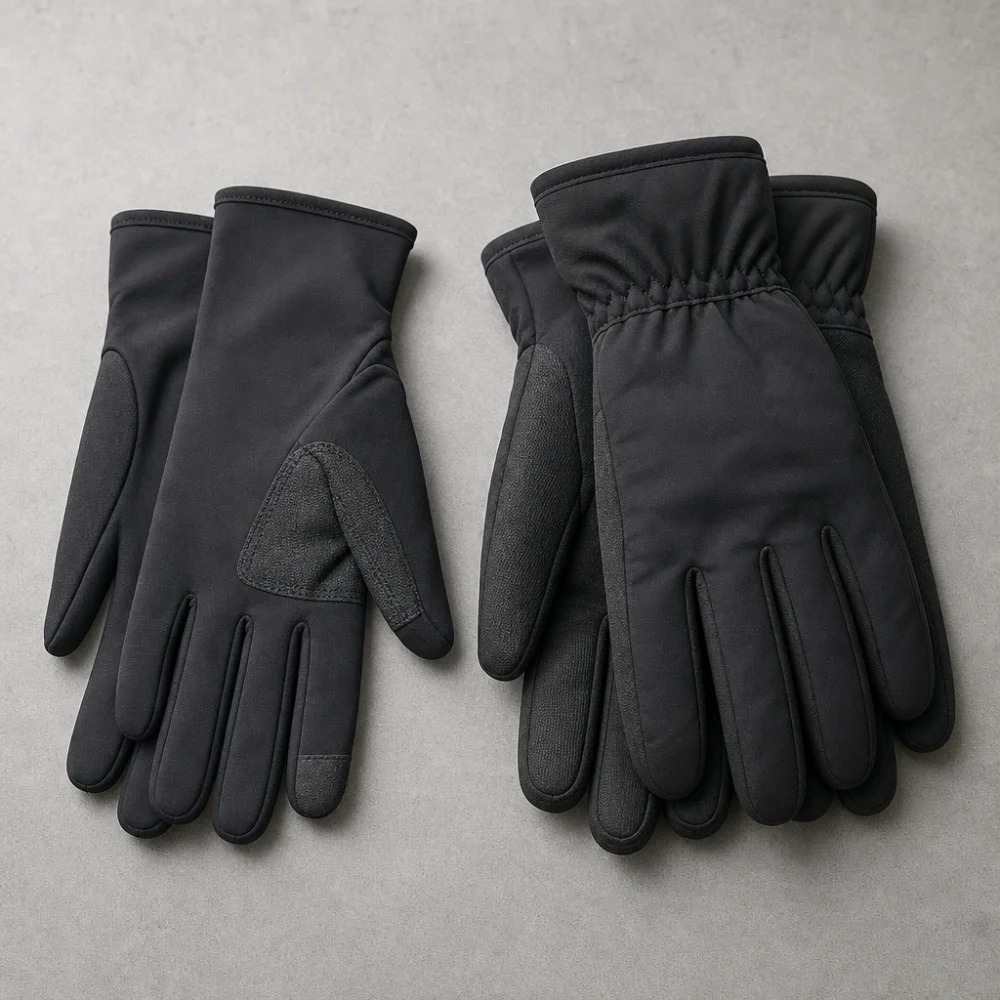
Common mistakes and misunderstandings
- Choosing only by appearance: A glove that looks polished may still feel stiff, hot, or too loose. Comfort and movement matter more than style alone.
- Overlooking size details: Even a small mismatch in fit can change how the gloves feel on the reins. Check any sizing guidance carefully rather than assuming your usual size will work the same way.
- Ignoring the weather you actually ride in: A glove that is ideal for one season may feel uncomfortable in another. Match the glove to the conditions you are most likely to face.
- Assuming more grip is always better: Extra grip can be useful, but too much can make the glove feel restrictive. The right balance depends on your riding style and preference.
- Forgetting care and drying needs: Some gloves are easier to clean and reuse quickly than others. If you ride often, maintenance convenience can matter as much as the initial feel.
Safety and suitability caveats
Riding gloves are a comfort and handling accessory, not a substitute for wider riding safety gear or good riding judgment. Choose gloves that allow clear rein feel and easy finger movement, especially if you ride regularly or in changing conditions. If a product page mentions special suitability claims, check those carefully and consider whether they match your riding environment.
Maintenance, storage and lifespan considerations
Gloves tend to last longer when they are kept clean, dried properly, and stored away from repeated moisture or heavy compression. If a pair is used often, inspect the palms, fingertips, and seams for wear, since those areas usually show use first. Cleaning expectations can vary, so look for products that fit the amount of upkeep you are willing to do.
If you want gloves that stay comfortable over time, it helps to think about how quickly they dry after use and whether they keep their shape after cleaning. Those practical details can matter just as much as the material description.
How to compare riding gloves efficiently
- Decide when you will wear them most often: everyday riding, warm weather, cold weather, or mixed use.
- Compare fit and finger movement first, because comfort and control depend on that more than on style.
- Check grip, breathability, warmth, and durability against your riding conditions.
- Look at closure style, cuff shape, and care needs to see whether the gloves fit your routine.
- Read the individual product page carefully before buying, especially where model-specific details may differ.
Summary buyer decision checklist
- Does the glove fit closely without pinching or excess looseness?
- Does it offer the amount of grip you want without feeling bulky?
- Is it suited to the weather and season you ride in most often?
- Can you move your fingers comfortably for rein handling?
- Are the care and storage needs realistic for how often you will use it?
- Does the design suit your main purpose: schooling, casual riding, or stable use?
Frequently asked questions
How snug should riding gloves feel?
They should feel close to the hand without creating pressure points or restricting movement. A glove that is too loose can reduce feel, while one that is too tight can become distracting during a ride. The goal is secure comfort, not compression.
Are riding gloves mainly for grip or for protection?
They can help with both, but the main buying purpose is usually improved handling and comfort. Some gloves are better for grip, while others focus more on warmth or breathability. If you have a particular use in mind, compare the glove’s design priorities rather than assuming all riding gloves serve the same purpose.
Can I use regular gloves instead of riding gloves?
Sometimes, but regular gloves may not offer the same rein feel, grip pattern, or riding-specific fit. Riding gloves are shaped with horseback use in mind, so they are often easier to hold and manage during a ride. If you are comparing categories, think about control and comfort rather than just hand coverage.
Do I need different gloves for summer and winter?
Not always, but many riders find that season-specific gloves feel more comfortable. Lightweight gloves can help in heat, while insulated options are more suitable in cold weather. If you ride year-round, having more than one pair can make the experience easier.
What matters more: material or fit?
Fit usually matters first because it affects comfort, movement, and rein contact. Material then helps determine whether the glove is better for warmth, airflow, or durability. A well-fitting glove with the wrong seasonal feel is still less useful than a good match on both fronts.
How do I know if a glove will be easy to maintain?
Check whether the product page mentions cleaning method, drying expectations, or general care guidance. Materials that are simple to clean and quick to dry are often more convenient for frequent riders. If you ride often, maintenance can be a bigger factor than it first appears.