
Equestrian safety vests are designed for riders who want an added layer of torso protection while riding. They are often considered for schooling, jumping, cross-country, trail riding, and other situations where the rider wants more coverage than standard apparel alone.
Because fit and protection goals can vary a lot, the right choice is usually less about finding one “best” vest and more about matching the vest style to the rider, the discipline, and the level of mobility needed. A vest that feels ideal in one setting may feel too restrictive in another.
This guide focuses on the buying questions that matter most: what the vest is for, how different styles compare, and what to check before choosing one.
What should you look for in an equestrian safety vest?
The best starting point is to match the vest to the kind of riding you do and how much movement you need in the saddle. More coverage can mean more structure, but it can also mean more bulk and less flexibility. A good choice balances protection, comfort, and freedom of movement for the specific use case.
Specifications vary by model, so always check the individual product page before buying.
| Feature | What It Means | Why It Matters | What To Check |
|---|---|---|---|
| Coverage | How much of the torso the vest is designed to cover | Different riding activities may call for different levels of coverage and feel | Where the vest sits on the body and whether it is intended for your style of riding |
| Fit | How closely the vest matches the rider’s body shape and riding posture | Fit affects comfort, movement, and whether the vest feels secure while riding | Size guidance, adjustability, and how the vest is meant to be worn over clothing |
| Mobility | How easy it is to bend, twist, and stay comfortable in the saddle | More structure can limit motion if the vest is not suited to the rider | Panel design, flexibility, and whether the vest is intended for active riding positions |
| Weight and bulk | How heavy or thick the vest feels during use | Heavier or bulkier vests can be more noticeable during longer rides | Whether the vest is described as lightweight, low-profile, or more substantial |
| Closure and adjustability | How the vest fastens and fine-tunes fit | A secure closure helps the vest stay positioned during movement | Adjustable straps, fastening style, and whether it can be layered over riding clothing |
Key decision criteria
Intended riding activity
Start with where and how the vest will be used. A vest chosen for general schooling may feel very different from one chosen for more demanding or higher-movement riding. The main question is not just whether the vest offers coverage, but whether it suits the pace, posture, and range of motion involved.
Fit and size range
Fit is one of the most important factors because a vest that is too loose may shift, while one that is too tight may feel uncomfortable or restrict movement. Look for sizing details that describe body measurements, layering allowance, and the intended fit over riding clothes. If the vest is adjustable, check how much adjustment is actually available.
Comfort during movement
Riders often underestimate how much small design differences affect comfort in the saddle. Seams, panel shape, and closure placement can matter more than the overall look of the vest. If a rider needs to sit, rise, bend, or turn frequently, comfort and mobility deserve as much attention as coverage.
Coverage versus flexibility
There is usually a trade-off between more structured protection and easier movement. A more substantial vest may feel reassuring, but it can also be warmer or less flexible. A lighter vest may feel easier to wear, but it may not offer the same sense of coverage. The right balance depends on the rider’s priorities and the riding environment.
Layering and seasonal use
Think about what the vest will be worn over. Some riders need room for base layers or cooler-weather clothing, while others prefer a closer fit in warmer conditions. If the vest will be worn across seasons, check whether the sizing and shape allow enough flexibility for that use.
Product types and variants
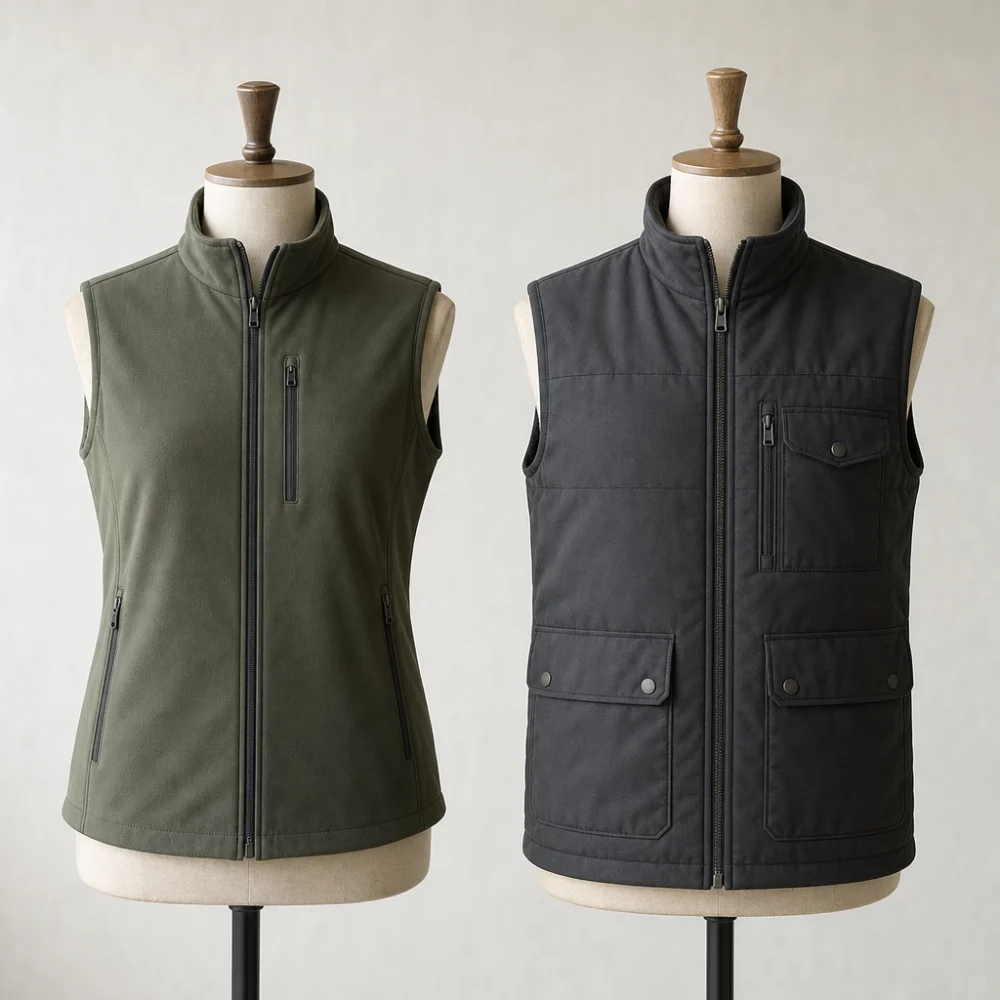
Within this category, the main differences are usually about design emphasis rather than entirely different product families. Some vests are made to feel lighter and less bulky, while others focus more on structure and coverage. The right option depends on whether the rider values freedom of movement, added torso coverage, or a balance between the two.
Riders should also pay attention to how the vest is intended to be worn. Some designs are easier to layer over riding clothing, while others are shaped for a closer, more fitted feel. The most suitable version is the one that aligns with the rider’s discipline and comfort needs, not just the general appearance of the vest.
Which vest suits which rider?
| Buyer need | Helpful vest characteristics | Why it may suit that need |
|---|---|---|
| Occasional recreational riding | Simple fit, comfortable wear, straightforward adjustability | Many casual riders want a vest that is easy to put on and not overly bulky |
| Frequent schooling or practice | Balanced coverage and mobility, reliable closure, consistent fit | Regular use makes comfort and ease of movement especially important |
| More active riding disciplines | Closer attention to coverage, structure, and riding-specific shape | Active movement can make vest design and stability more noticeable |
| Riders layering over clothing | Adjustability and enough room for seasonal layers | The vest needs to work comfortably over what the rider actually wears |
Common mistakes and misunderstandings
- Choosing by appearance alone. A vest can look similar from the outside while fitting and feeling very different in use.
- Ignoring how it will be worn. A vest that works for one riding style may feel awkward in another.
- Overlooking layering needs. If the vest will be worn over multiple clothing layers, fit and adjustability matter more.
- Assuming all vests feel the same. Bulk, shaping, and closure design can change comfort more than buyers expect.
Safety and suitability caveats
An equestrian safety vest should be treated as one part of a rider’s overall safety approach, not a guarantee of protection. The most important buying check is whether the vest suits the intended riding activity and fits the rider properly when worn as intended. If a product page includes guidance about intended use, sizing, or riding discipline, read it carefully before deciding.
Do not assume that a vest intended for one kind of riding automatically suits every other kind. Comfort, mobility, and coverage all matter, and the right balance depends on the rider and the activity.
Maintenance, storage and lifespan considerations
Because vests are worn close to the body, buyers often benefit from considering how easy they are to keep clean and how they will be stored between rides. General care needs may include wiping the exterior, following any care label guidance, and keeping the vest in a dry place away from crushing or unnecessary heat. If the vest is heavily used, it is also worth checking whether the product page mentions any care limits or replacement guidance.
How to compare options efficiently
- Start with the riding use case and decide how much coverage and mobility you need.
- Check the size guidance carefully, including how the vest is meant to fit over riding clothes.
- Compare the design for comfort, adjustability, and how secure it is likely to feel in motion.
- Consider whether the vest seems better suited to casual use, regular schooling, or more active riding.
- Read the individual product page for the final details before making a choice.
Summary buyer decision checklist
- Does the vest suit the intended riding activity?
- Will the fit work over the clothing the rider actually wears?
- Is the balance of coverage and mobility right for the rider?
- Does the closure and adjustability seem practical for regular use?
- Is the vest likely to feel comfortable during the full ride, not just while standing still?
- Have you checked the product page for the most specific sizing and use guidance?
Frequently asked questions
What is the main benefit of an equestrian safety vest?
The main benefit is added torso coverage while riding. That said, the right vest still needs to be comfortable enough to wear properly, because a poor fit can make it less practical to use consistently.
How do I know what size to buy?
Use the sizing information on the product page and compare it with the rider’s body measurements and expected layering. Fit matters as much as nominal size, so look for guidance on how the vest should sit on the body.
Should I choose a lighter vest or a more structured one?
That depends on the rider’s priorities. A lighter vest may feel easier to move in, while a more structured one may feel more substantial. The trade-off is often comfort versus coverage feel, so think about the riding activity first.
Can one vest work for different riding activities?
Sometimes, but not always. A vest that feels comfortable in one setting may not be the best match for a different discipline or level of movement, so it helps to compare the intended use on the product page.
What should I check if the rider wears layers?
Check whether the vest has enough adjustability and room to fit over the clothing that will actually be worn. Layering can change how a vest feels, especially around the torso and shoulders.
How much attention should I give to comfort?
A lot, because a vest that feels awkward is less likely to be worn correctly and consistently. Comfort affects whether the rider can move naturally, which is a practical part of choosing the right product.